Build IoT & device software
Custom operating systems and app stores, device provisioning and security, field apps wired to real hardware, companion software for connected devices: we build the software that runs on and around hardware.
Tell us what you're building.
A few details help us put the right engineers in the first call instead of a salesperson with a slide deck.







What we do
The software that runs on and around devices
What we build
Custom OS & app-store ecosystems
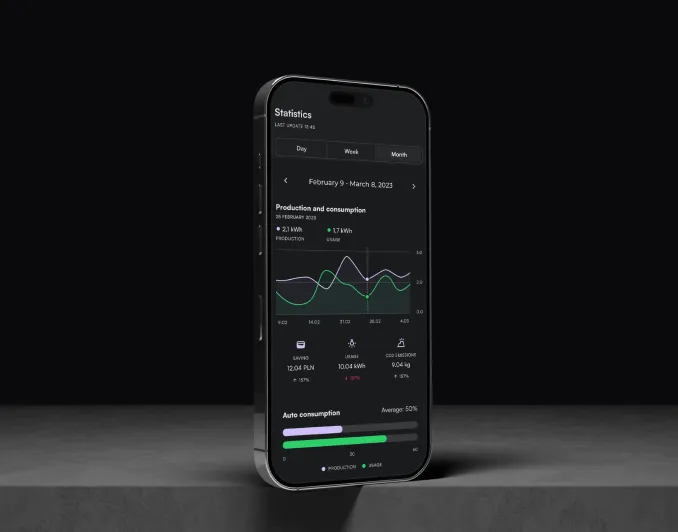
Devices need a safe way to get and update apps. For Mudita we build the App Store and Developer Portal around their phone: app versioning, developer onboarding and legals, one-time SMS codes, and the store experience end users see. For Raw Control we built the RAW Store and the tooling to publish and upgrade apps on a secure phone platform.
Provisioning & device management
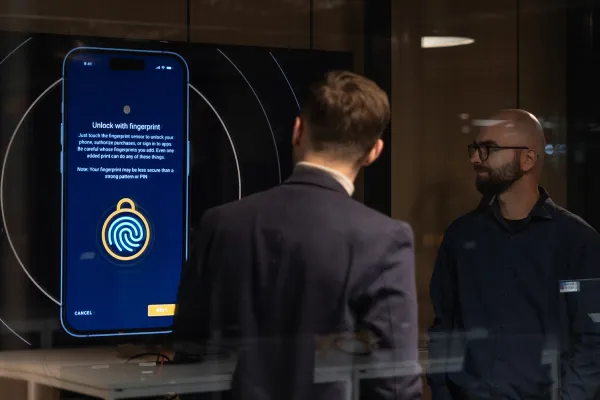
The unglamorous backbone: an admin panel to manage devices and their status, publishing builds (including Debian .deb packages), handling configuration such as Wi-Fi, and keeping the fleet and the store in sync. We built this device-management tooling for the Raw Control secure-phone platform.
Device-level security
Protections that matter at the device level: wiping the phone when the SIM card is removed, and deep packet inspection (nDPI) for network-level control. On a device, we design security into how the platform behaves from the start instead of adding it just before launch.
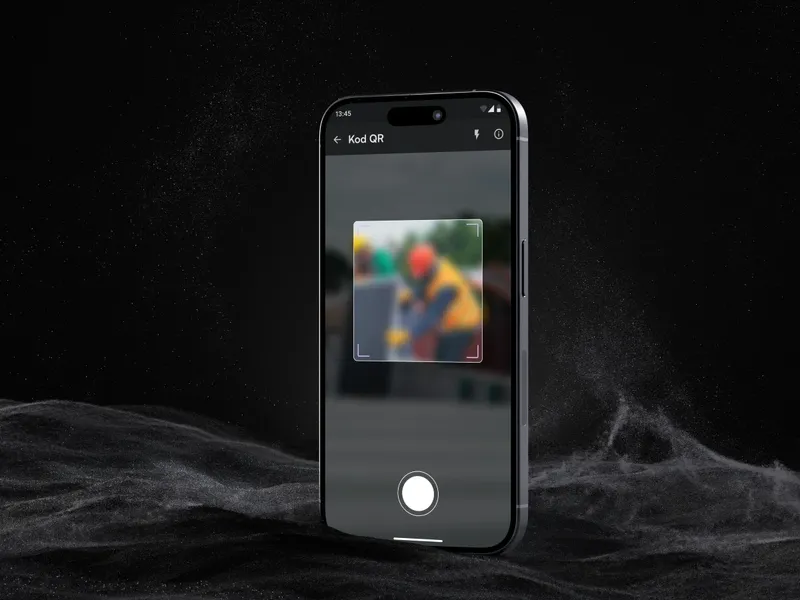
Field & scanning apps with hardware
Software that talks to real hardware in the field: Android apps integrated with barcode and QR scanner SDKs (for example Datalogic) that keep working offline by buffering scanning sessions, sync to a backend, and give the office an admin panel. Together they form the backbone of a real traceability workflow.
Software on hardware is unforgiving
Once a device is in someone's hands or out in the field, you cannot just hotfix a web page. An update has to install cleanly or not at all; a lost device has to be wiped; a scanner has to keep working when the network drops; and security has to hold, because the device itself is the front line. This is a different discipline from building a website: closer to the metal, with real consequences when something goes wrong.
We take on this kind of hard, low-level work. We build the operating systems, app stores, provisioning, security and companion software that make connected products dependable, whether the device is a phone, a handheld scanner or a connected safety instrument. We also stay to support them, because hardware lives for years and the software has to live with it.
The projects we have shipped show what is at stake. On Raw Control, wiping a phone when its SIM is pulled is only useful if the logic holds at the exact moment someone is trying to defeat it, and a lab test does not prove that. On the Datalogic-integrated field app, buffering a scanning session offline matters on the day a warehouse loses connectivity for hours. We design for that day, because on hardware it eventually comes.
Every engagement starts the same way, whether the target is a phone, a handheld scanner or a connected instrument: a discovery workshop maps the hardware, its constraints and its failure modes before any code is written, and we decide on update strategy, offline behavior and security boundaries there instead of iterating them in later. From that point the work splits across four disciplines: operating-system and app-store engineering, provisioning and device management, device-level security, and field integration with the hardware itself. A given project rarely touches all four in equal measure (Mudita's app-store ecosystem leans on the first, the Datalogic-integrated field app on the fourth), but the same team carries the work end to end, so a decision in one discipline, such as how updates install, does not conflict with another, such as how a device gets wiped.
Embedded software development of this kind is judged less on the demo and more on what happens after it: the fleet grows, a new OS ships, a new phone model needs support. We plan for that from the workshop onward, which is also why Mudita, Raw Control and the Datalogic-integrated field app are still active engagements today rather than one-off builds.
Store + developer portal
The app-store ecosystem around a phone
A device app store is a different problem from a phone-shelf one: it has to fit the device's update cycle and offline gaps.
We own the whole loop: publishing, versioning, install/rollback safety, and the developer side that keeps a store trustworthy for years.
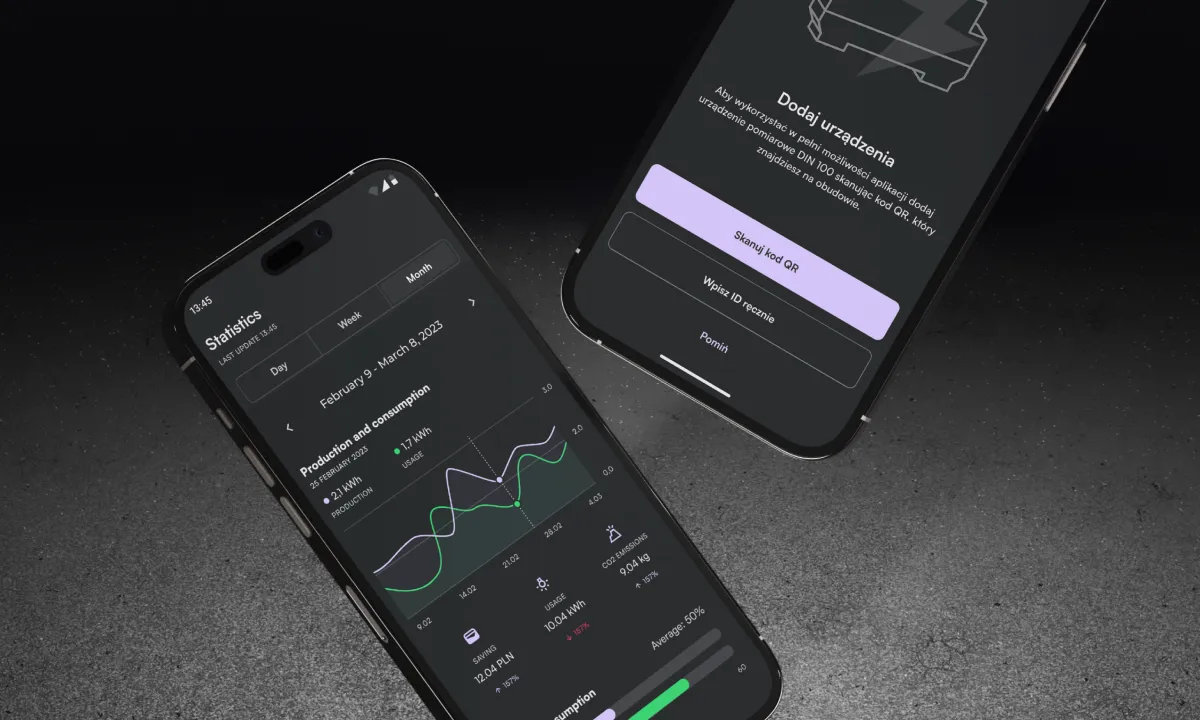
In production, on real devices
The app-store ecosystem for Mudita and the secure phone platform for Raw Control, both detailed above, are in production today, with the store, provisioning and security holding up under real usage.
Beyond phones, we build field software that integrates with scanner hardware (such as Datalogic) and keeps working offline, and companion software for a connected instrument from a global safety-technology company. It pairs with the hardware, handles its readings and keeps the workflow dependable where it is actually used. Across these devices our approach is the same: software built to be dependable on and around hardware, and maintained for the long term. We are still shipping updates and new-device support to platforms we launched years ago.
Underneath, the stack repeats across projects: Android and embedded Linux on the device, Wi-Fi and BLE for connectivity, and backend services that keep the fleet, the store and the admin panel in sync. Working across the same layers on every engagement is what lets one team own a project end to end, rather than handing off between a hardware team and a separate app team.
Getting there in production means treating a release as a two-way door: every update we ship for Raw Control and Mudita has to install cleanly or roll back cleanly, because a device that fails mid-update in someone's pocket turns into a support call. New device models get their own pass through this same install/rollback path before they are added to the fleet, instead of being assumed to behave like the ones already shipped.
Building a device, an OS or a field app? Let's scope it.
From a phone platform to a warehouse scanner, we'll map the build and the risks in a workshop.
Why teams build device software with us
We build across the whole device-software stack. Operating systems, app stores, device provisioning, security and hardware integration, shipped for real clients: an app-store ecosystem around a phone (Mudita), a secure phone platform with its own store and device-level security (Raw Control), field apps that keep scanning offline (scanner hardware such as Datalogic), and companion software for a connected safety instrument. We take on hard, close-to-the-metal problems across that whole range.
Because hardware lives for years, we stay: releasing updates, adding support for new devices and OS versions, keeping servers and dependencies current, and handling the steady stream of change requests that a live device platform generates, sometimes for years after the first release. That continuity is why device makers keep working with us long after the first build.
For Raw Control, that continuity looks like this: every new phone model added to the range needs its own path through the provisioning and store pipeline, and every upstream OS security patch has to be checked against the SIM-wipe and nDPI logic before it ships. This work has carried on well past the platform's initial launch. Mudita's App Store and Developer Portal follow the same pattern: developer onboarding and legals get revised as the store's policies and the platform itself evolve.
Broader IoT capability, not the clients discussed above
IoT & device case studies
-
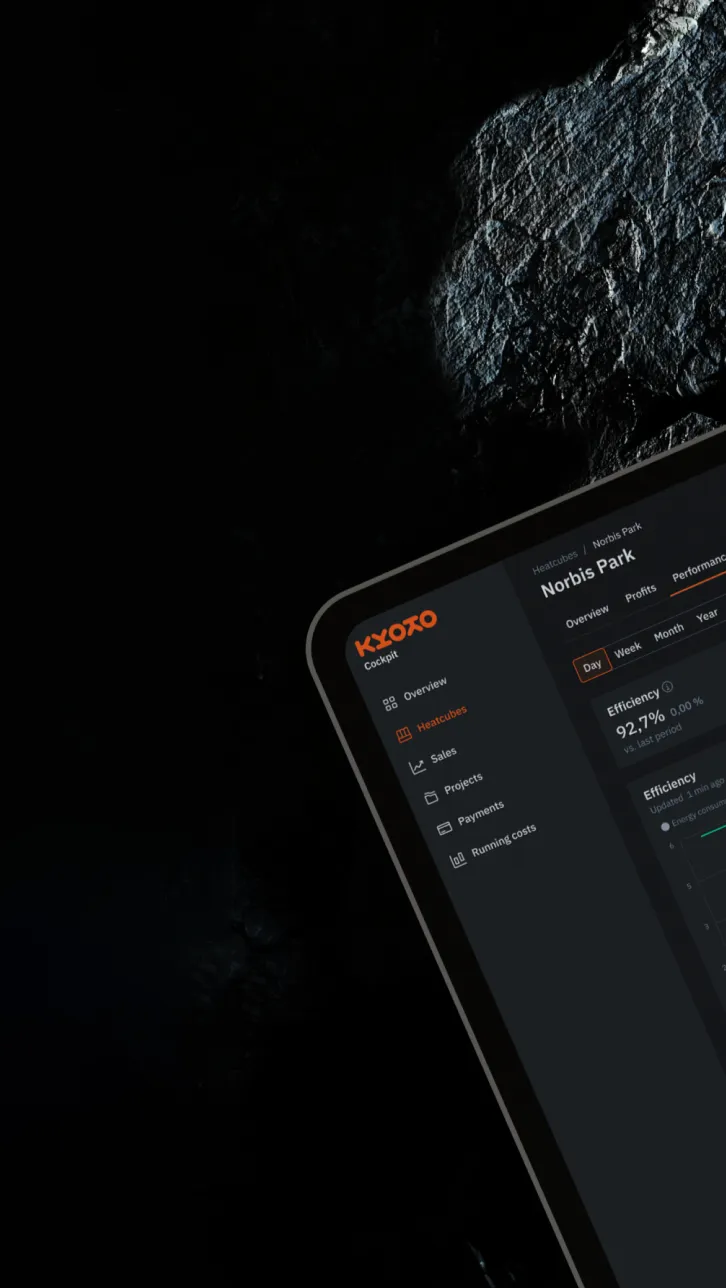
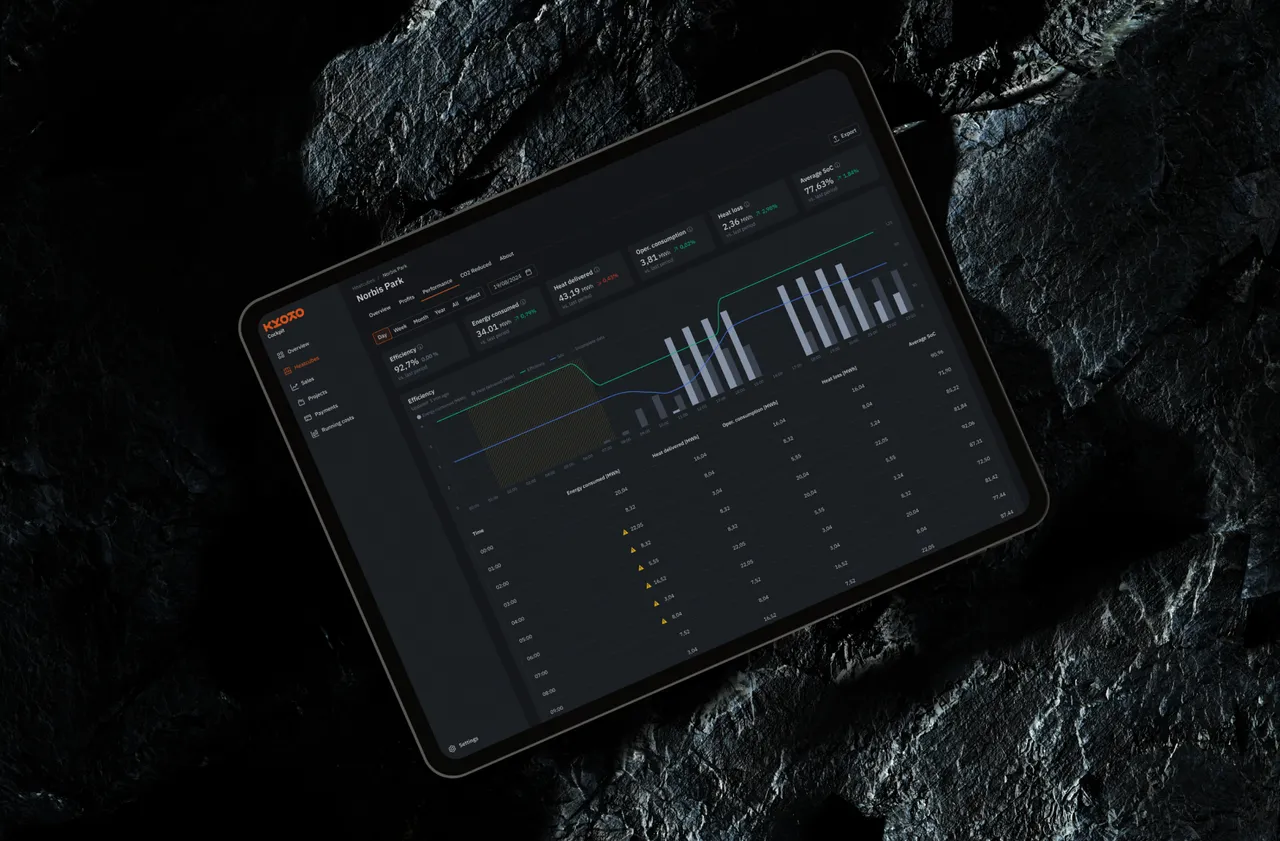
KYOTO - Industrial IoT & Digital Twin for Thermal Energy Storage
Order Group is supportive and flexible, delivering high-quality results.
-


IoT & device software - FAQ
-
Custom OS and app-store ecosystems, device provisioning and management, device-level security, field and scanning apps integrated with hardware, companion software for connected devices, and long-term support of device platforms once they are live and growing.
-
Yes. We built the App Store and Developer Portal for Mudita's phone, and the RAW Store for Raw Control's secure phone platform, covering publishing, versioning and the developer-facing side of running a store as well as the storefront.
-
Yes. For Raw Control we built a secure phone platform with its own app store, device provisioning and management, and device-level security such as wiping the phone when the SIM is removed and network inspection with nDPI.
-
Yes. We build Android field apps integrated with barcode and QR scanner SDKs (for example Datalogic) that keep working offline by buffering sessions and syncing to a backend, with an admin panel for the office.
-
Yes, it is a standard part of how we work: releases, device support, dependency and server updates, and a continuous flow of change requests. Hardware lives for years, and so does the software that runs it.
-
With a workshop: we map the device, the software around it and the risks, then give you a plan and estimate covering the build, the provisioning path and the long-term support that follows launch. Book a free consultation and we'll scope it with you.
IoT insights & guides
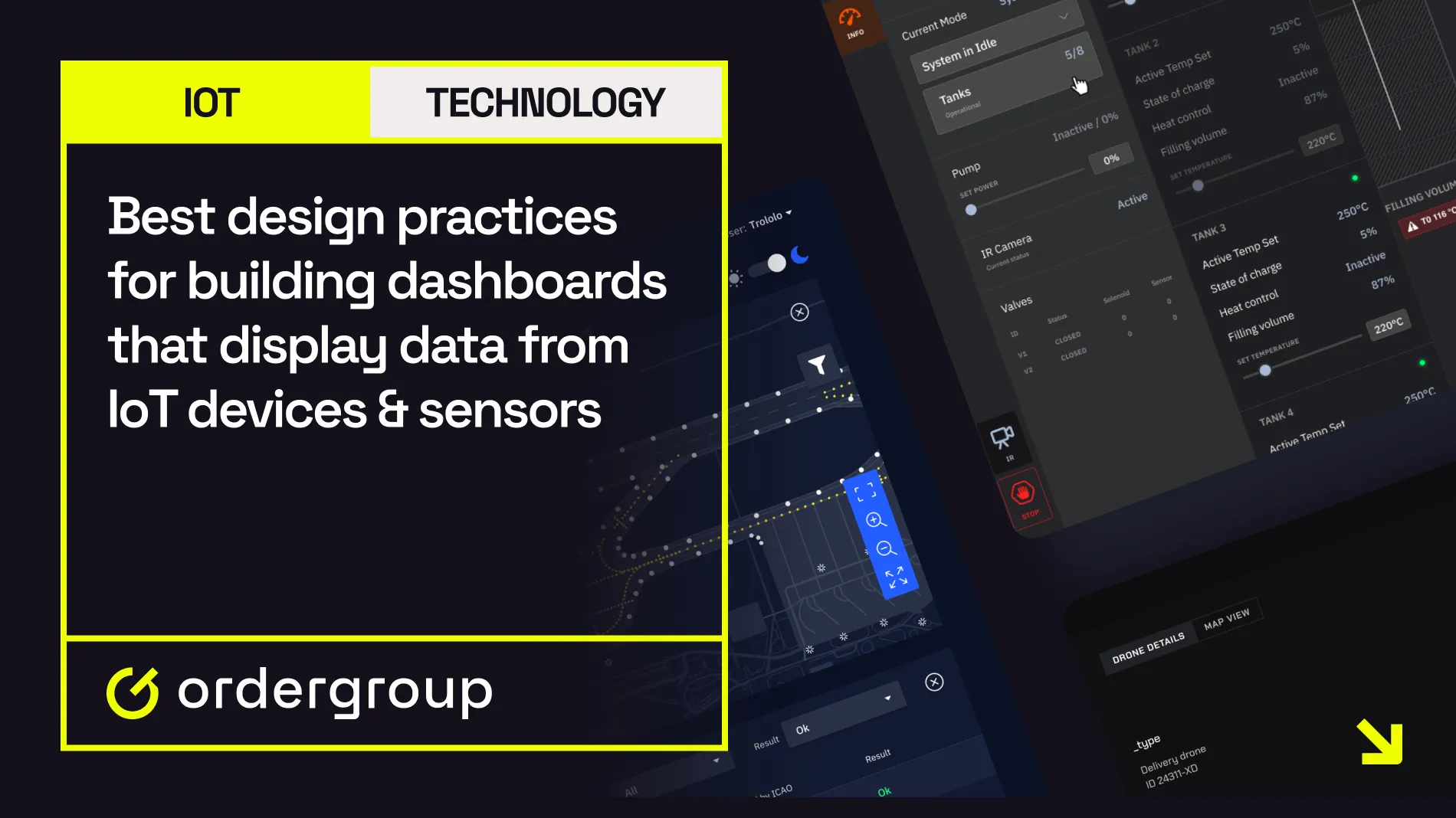
Deep dives into industrial IoT, device software and connected-hardware engineering.
Partnering for dependable software on and around hardware.
Your message goes to

Filip Szamborski
Board Member

Your message goes to

Karol Oponowicz
Board Member
Your message goes to
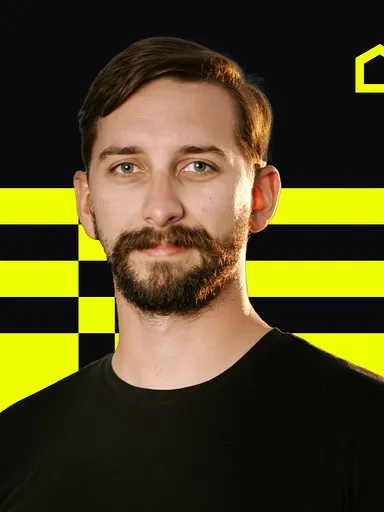
Paweł Zieliński
Board Member
SO FAR WE HAVE WORKED WITH BRANDS LIKE:


Thank you for your message.
We read every message ourselves and get back to you within 48 hrs on business days.
Something urgent? [email protected]