






Beyond energy
We deliver mission-critical software outside the energy sector too: regulated fintech platforms, industrial IoT beyond the energy grid, and CAT III B aviation systems.
Turn your energy assets into revenue. We build EMS and battery storage control, flexibility and energy trading platforms, and digital twins, for sites in Poland, Germany, Sweden and Canada.
Tell us what you're building.
A few details tell us which engineers to bring to the first call.




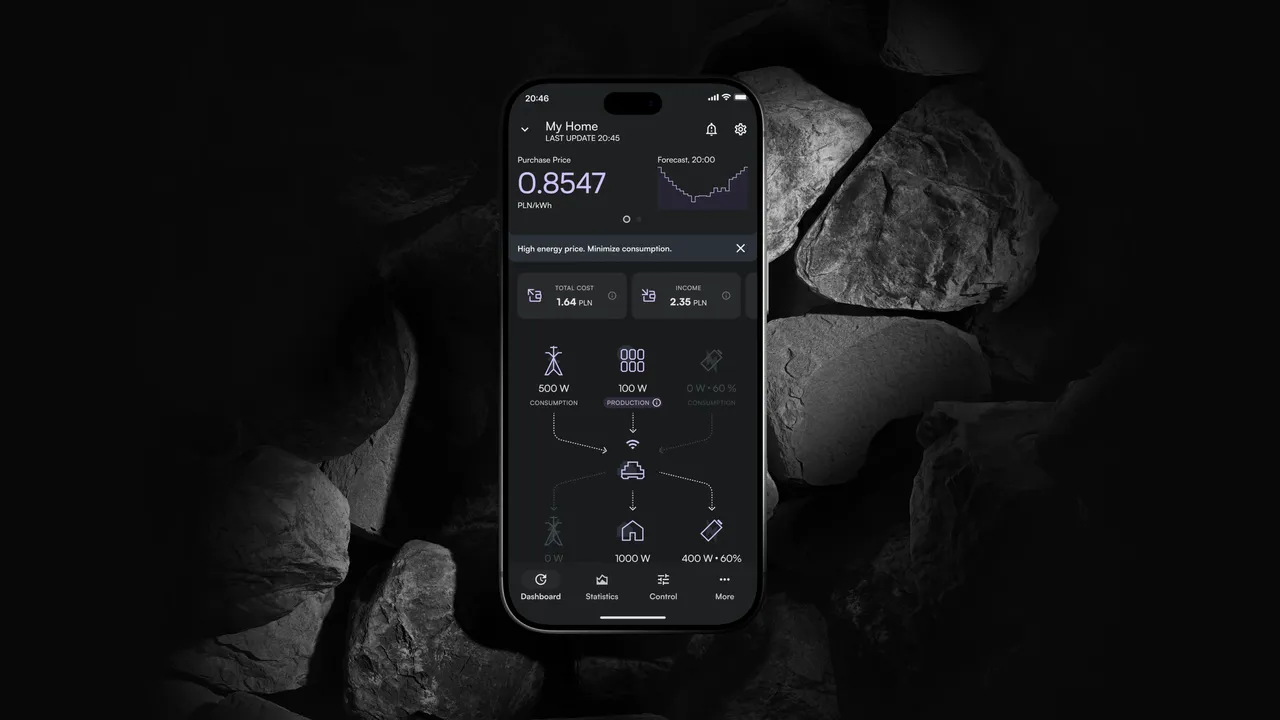
An asset earns on the market only when software controls its hardware in real time and follows market rules. Most of our energy software development is that kind of software. We have been building the Zeronest EMS for home solar and batteries since January 2024. We built the EMS behind Skyfri's platform for solar and battery plants, and since December 2025 we have been building one for Global Green's battery storage sites in Germany and Canada. On the market side, we have been building Enerace's energy procurement platform since 2020.
Earlier projects include the SCADA-based digital twin for KYOTO Group's thermal energy storage and software for Nuvve's vehicle-to-grid platform in 2022-2023. Our engineers work from Warsaw.
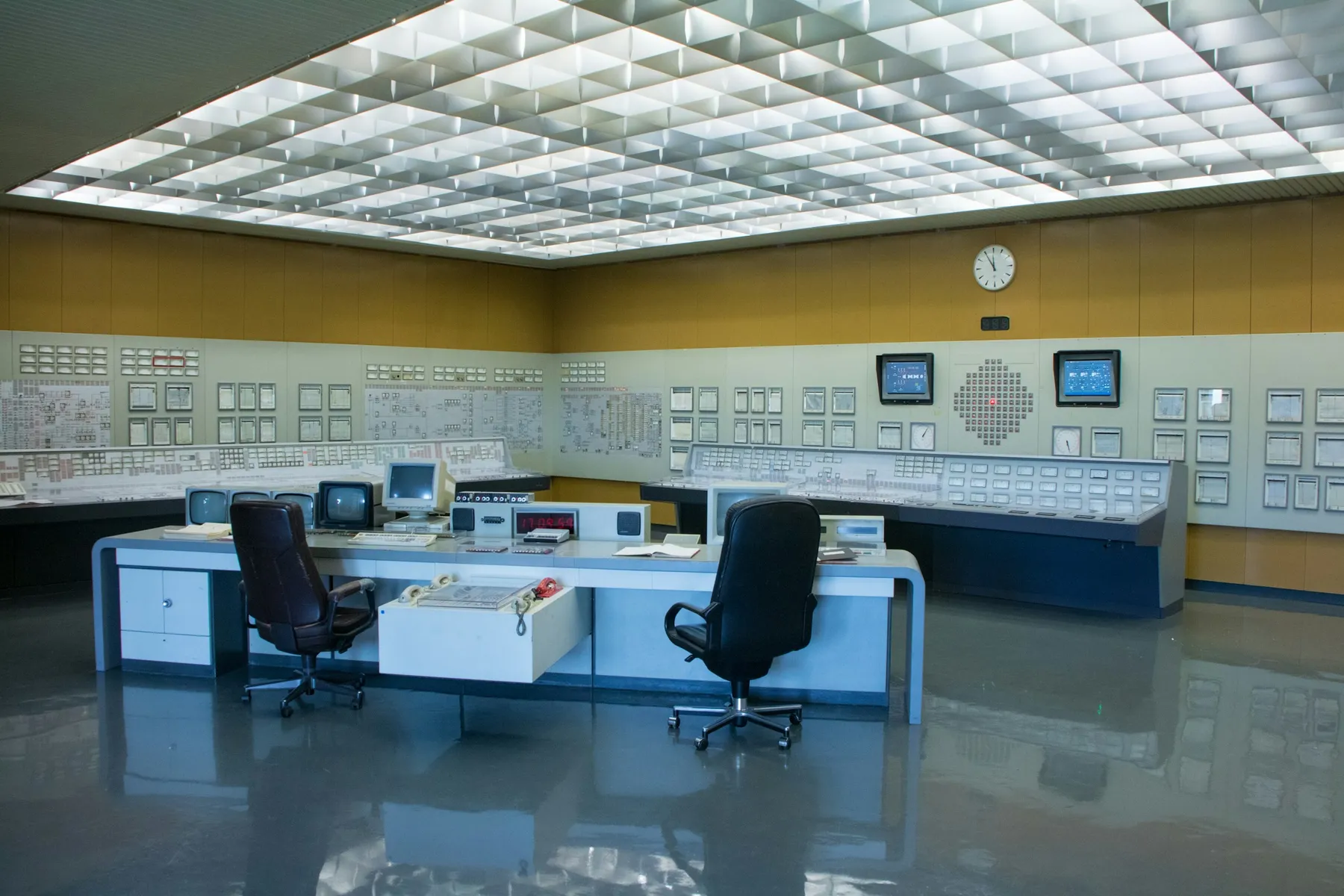
Energy software has three jobs: control the asset, show what it is doing and make it earn.
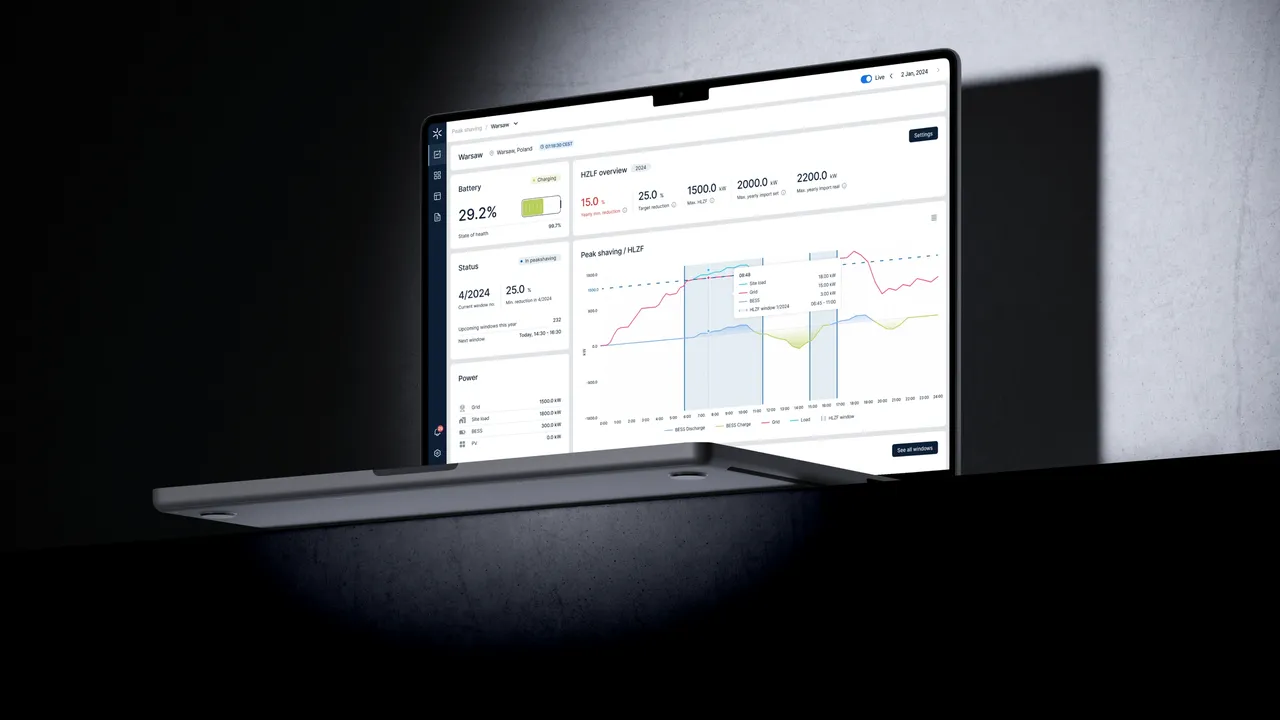
Real-time command over batteries and inverters, including how much a site is allowed to export to the grid.
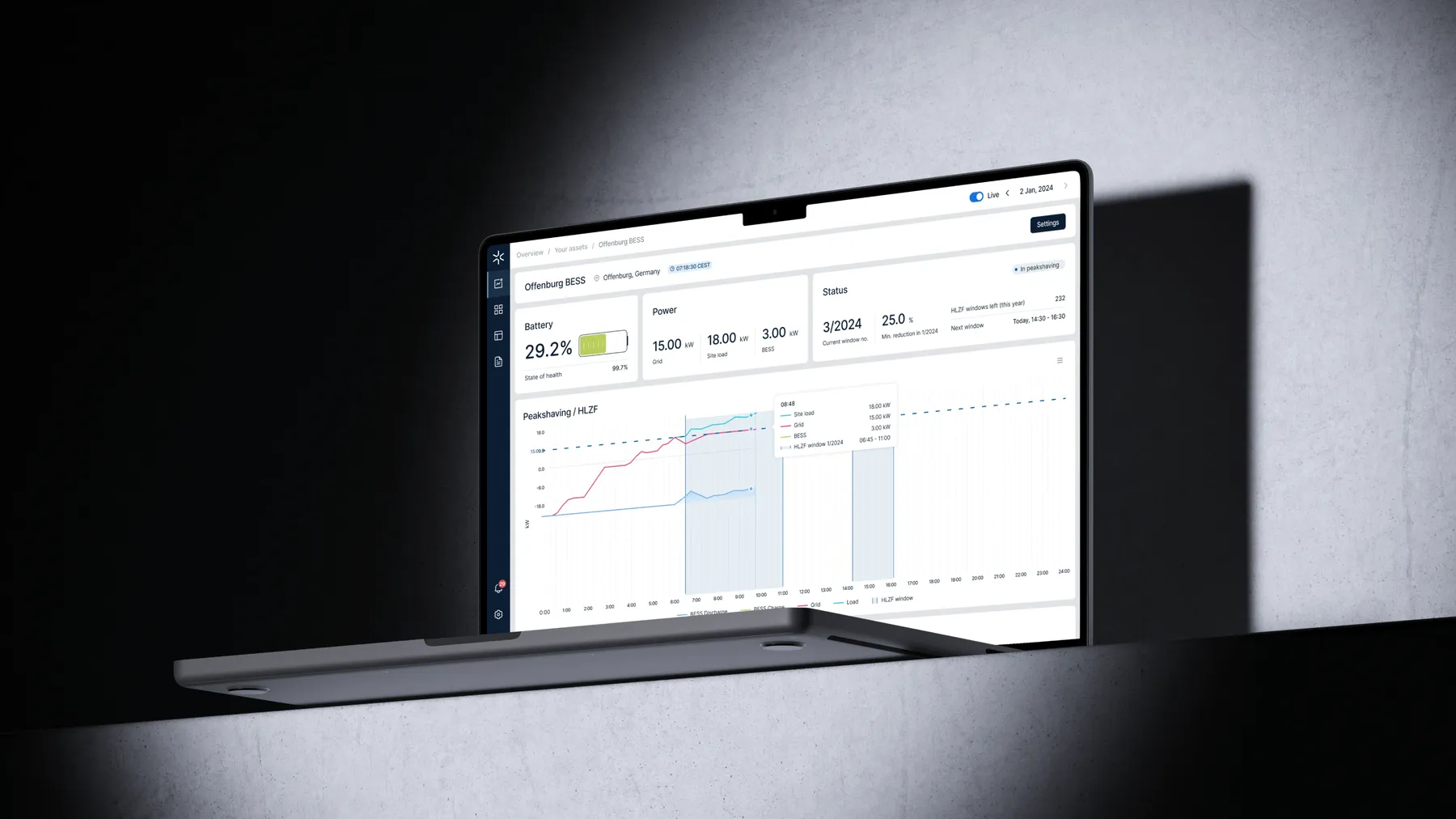
Live readings, weather forecasts and market prices combined into one picture of what an asset is doing and what it is worth.
The control layer that keeps an asset within safe limits also decides when to charge, discharge, shed load or bid into a market.
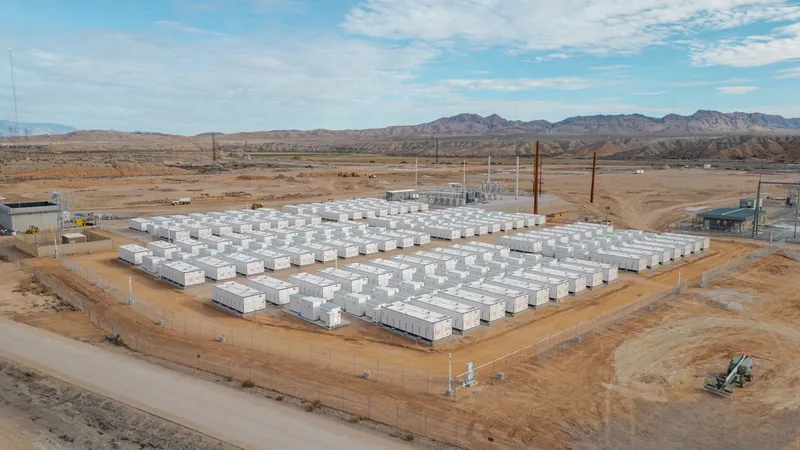
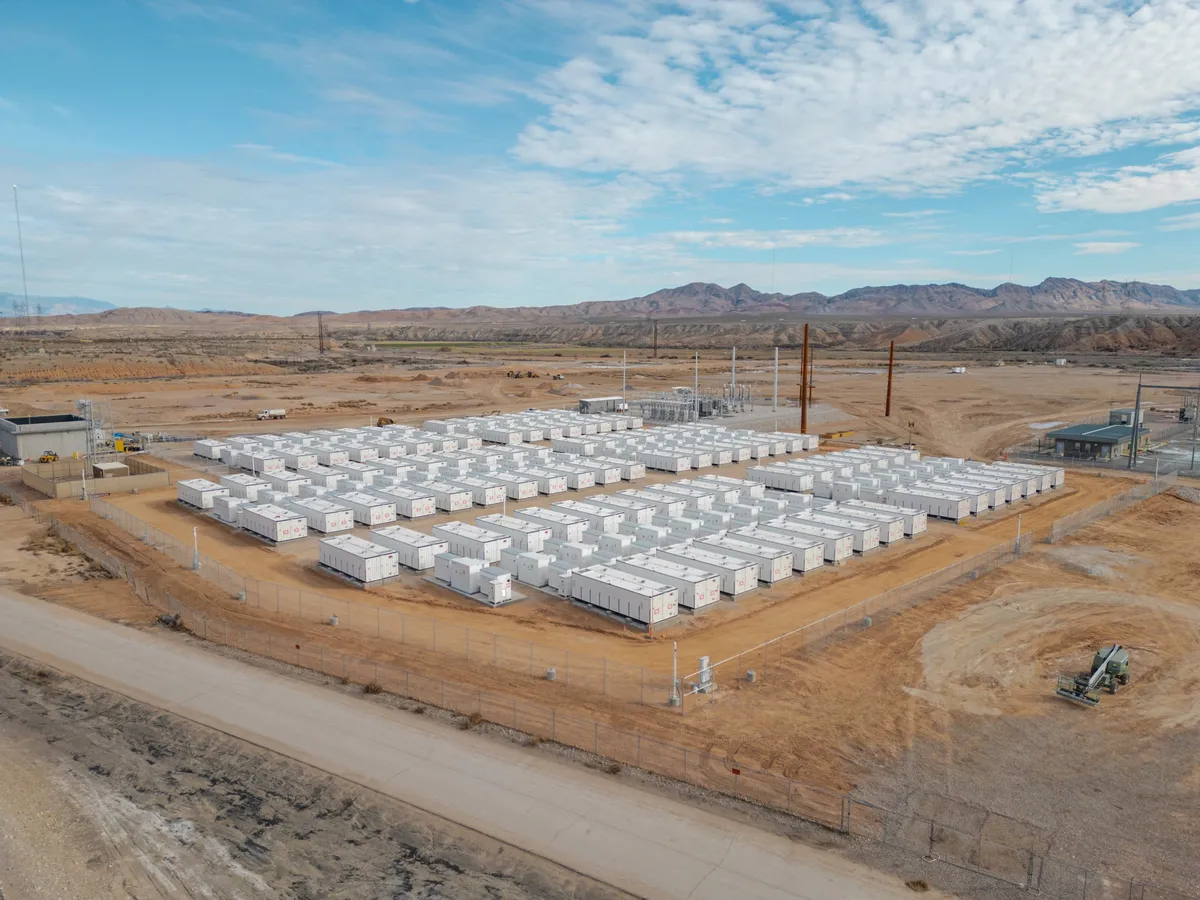
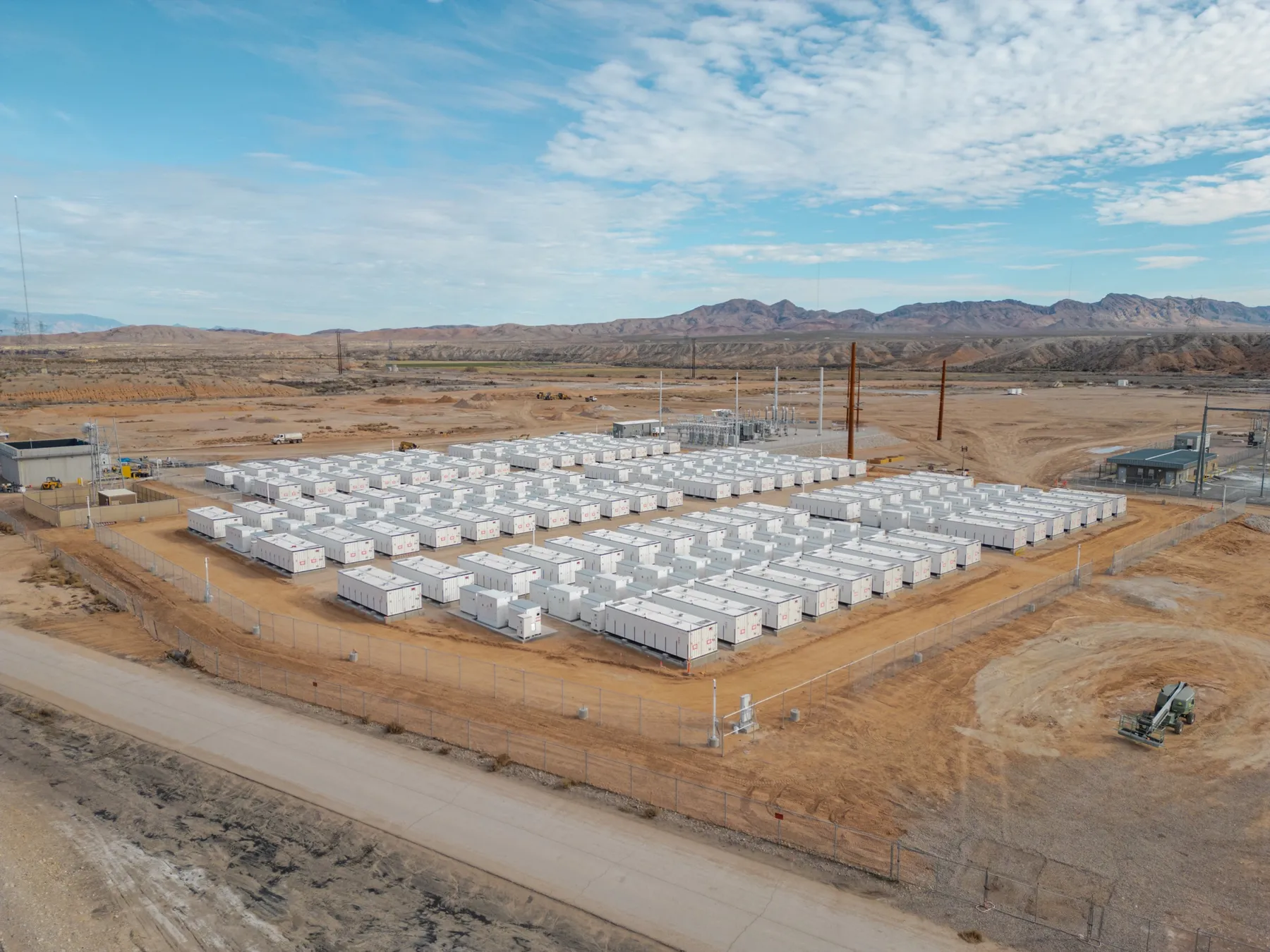
Most of our energy work is energy storage software: EMS for solar installations and batteries. An EMS (energy management system) decides minute by minute what each battery and inverter does, within the battery's state of charge, the site's grid connection limit and the market, across hardware from several manufacturers.
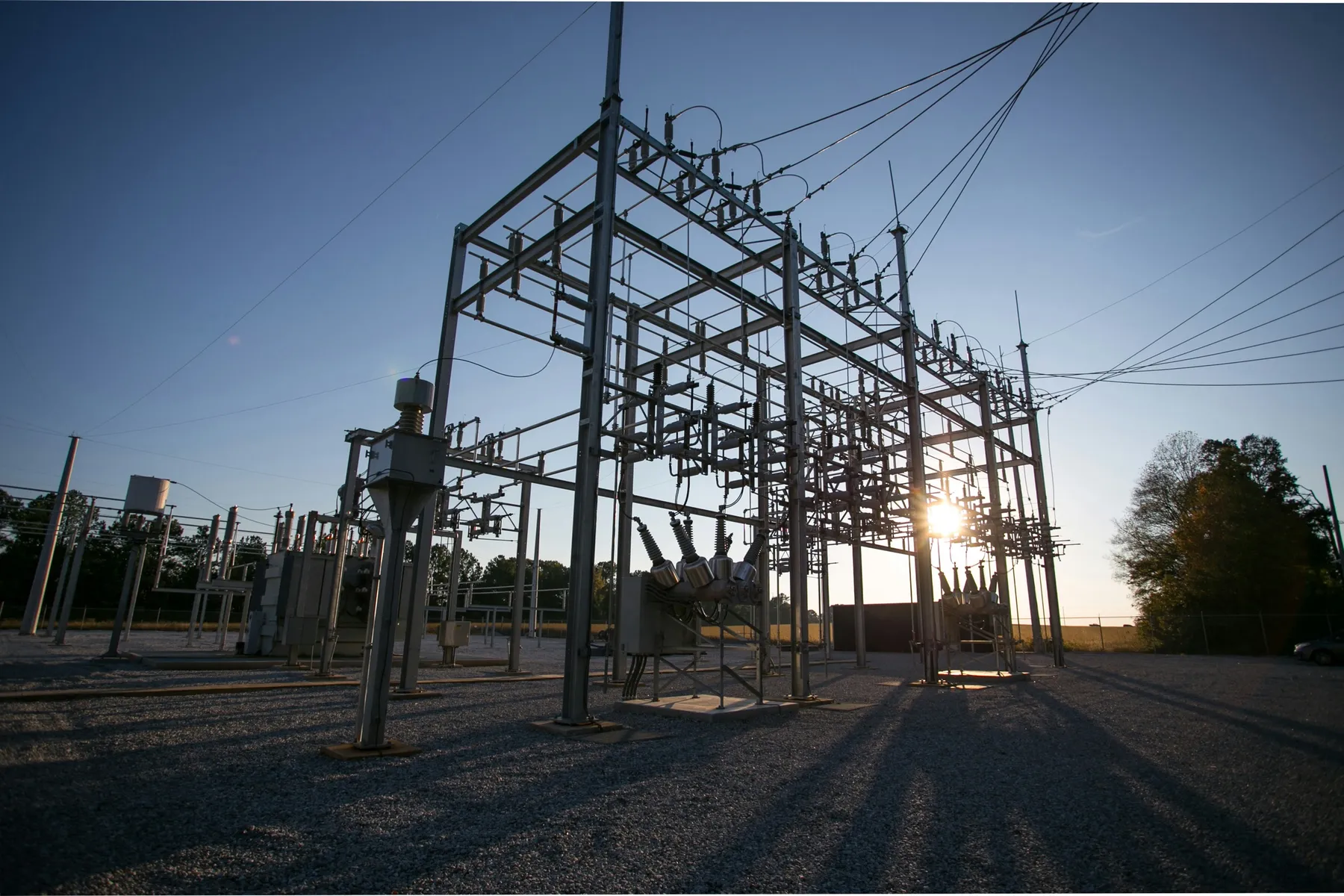
We build energy trading platforms for energy buyers and their advisors: portfolio position, purchases in tranches, and purchase recommendations that clients accept in the platform. It has to work in the 15-minute periods the day-ahead market has used since October 1, 2025, report under REMIT II (in force since May 7, 2024), and run alongside the ETRM, which stays the book of record.
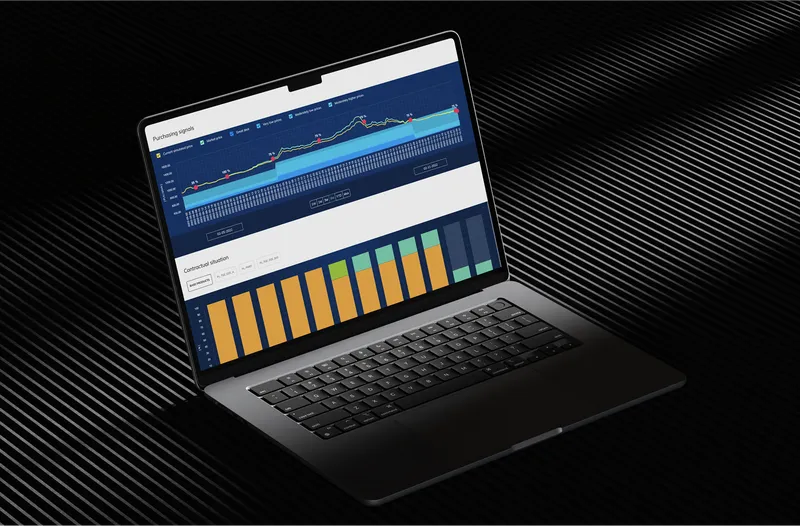
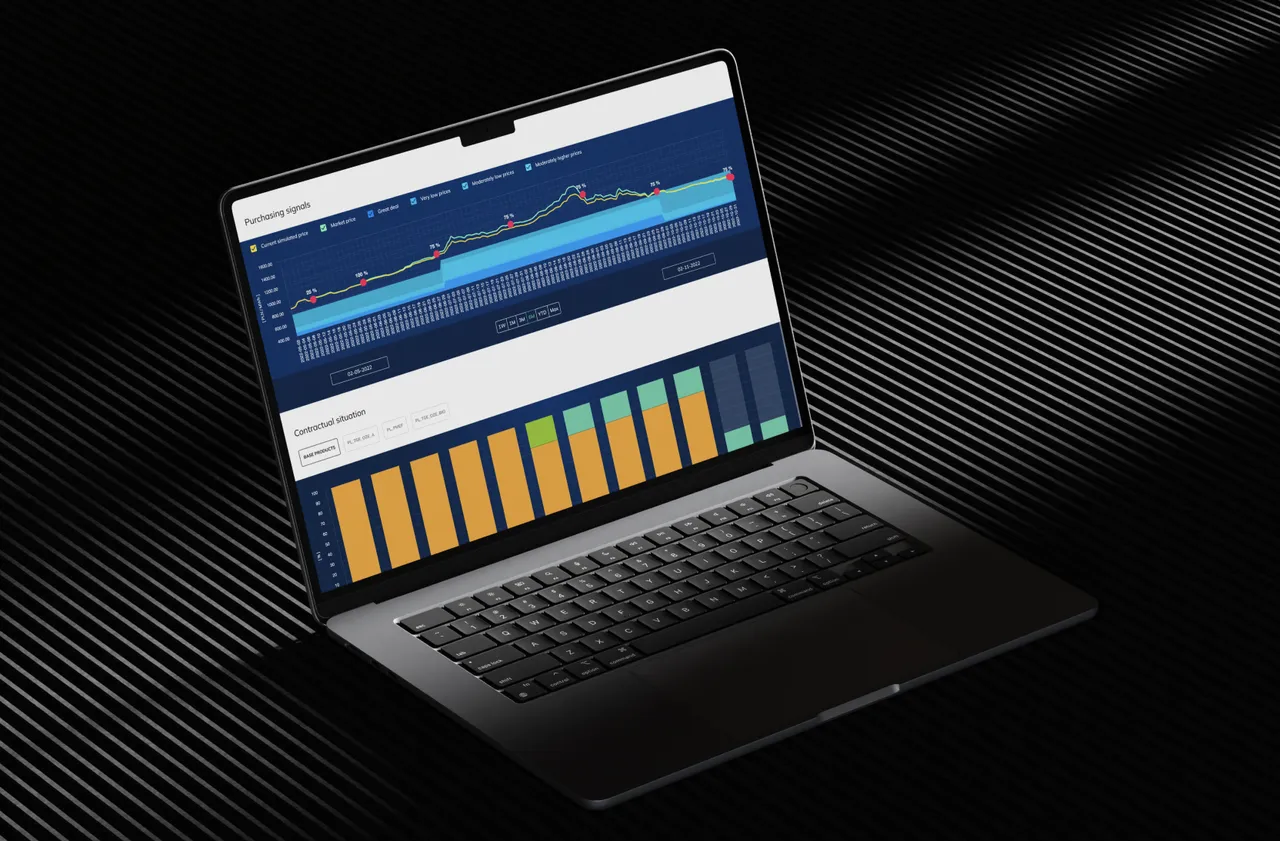
Since 2020 we have been building Enerace.Online for Enerace, an advisory that helps companies buy electricity and gas. Automated market data collection and recurring reports save Enerace hundreds of hours each month, and the SaaS model has brought it new clients. Since mid-2026 we have also been building a purchasing portal for an energy company's business customers, connected to its ETRM. For background, read how energy trading platforms work.
The four energy systems with full case studies
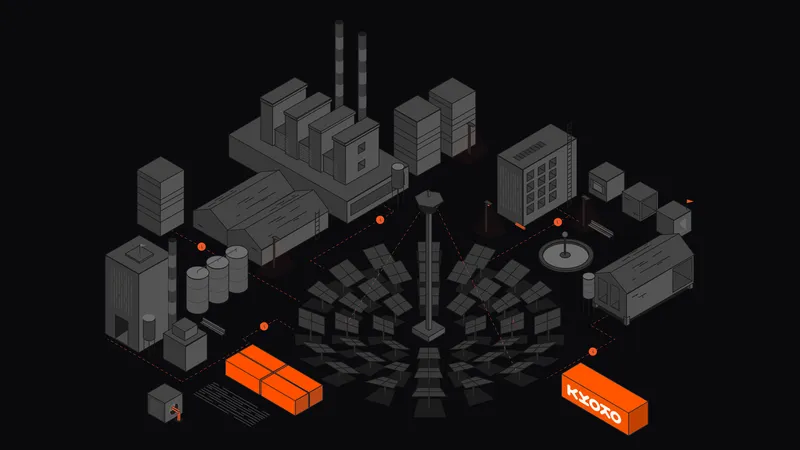
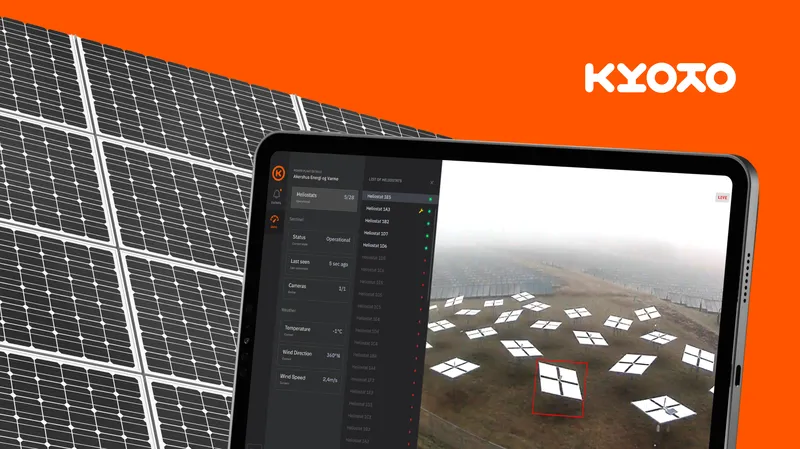
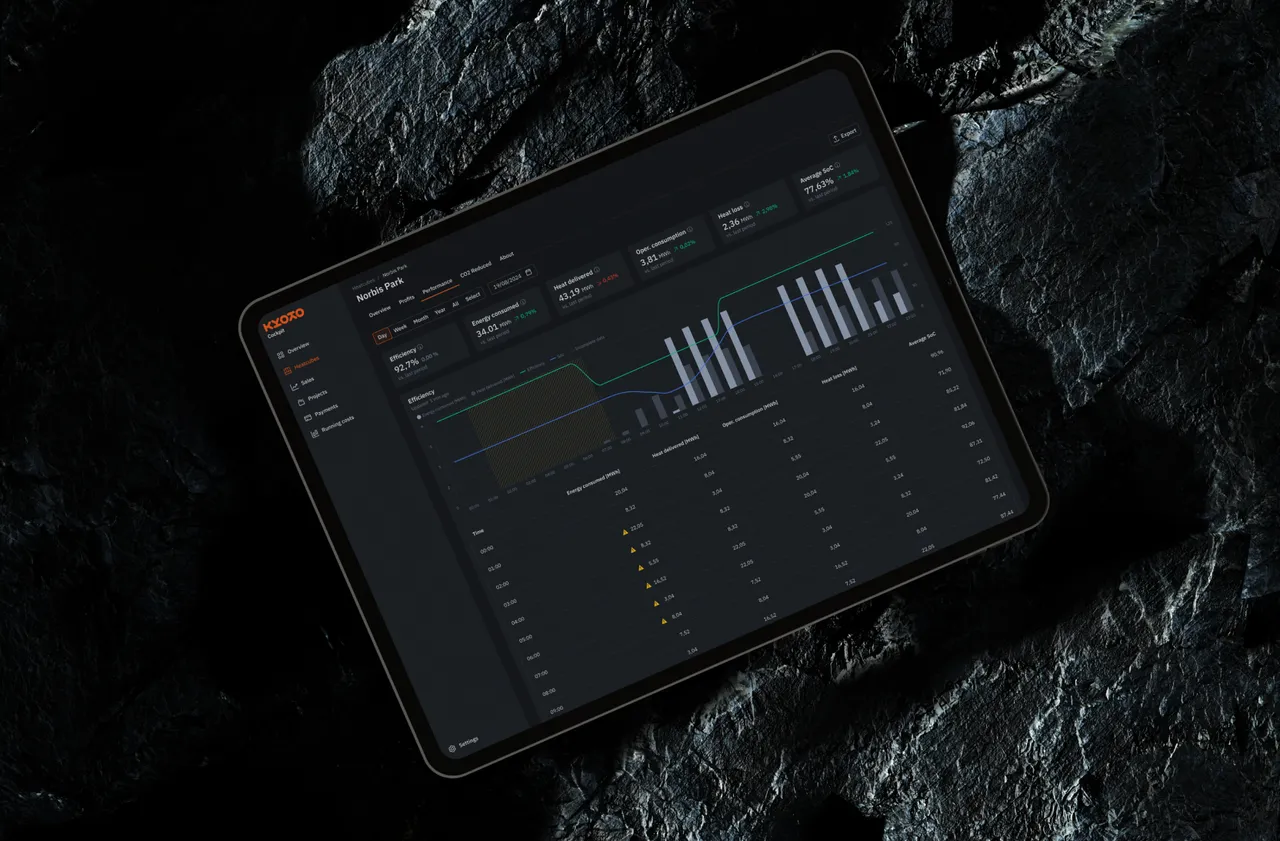
Runs a SCADA-based digital twin we built over three and a half years for large-scale thermal energy storage. KYOTO Group, listed on Euronext, raised NOK 183.3 million in private placements in the first half of 2021.
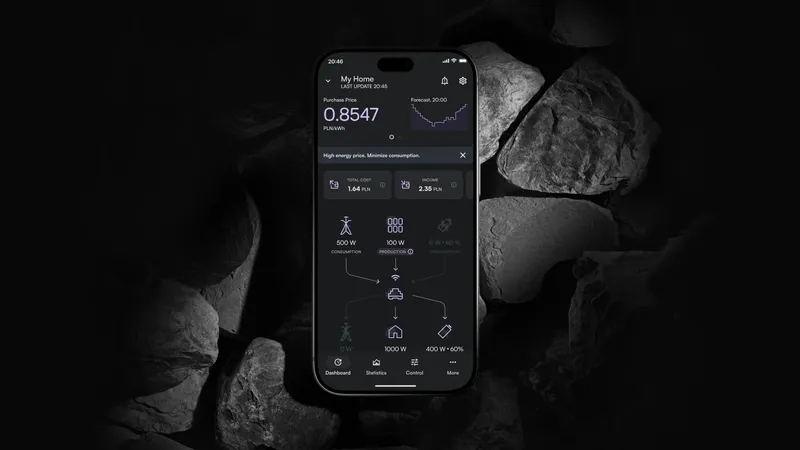
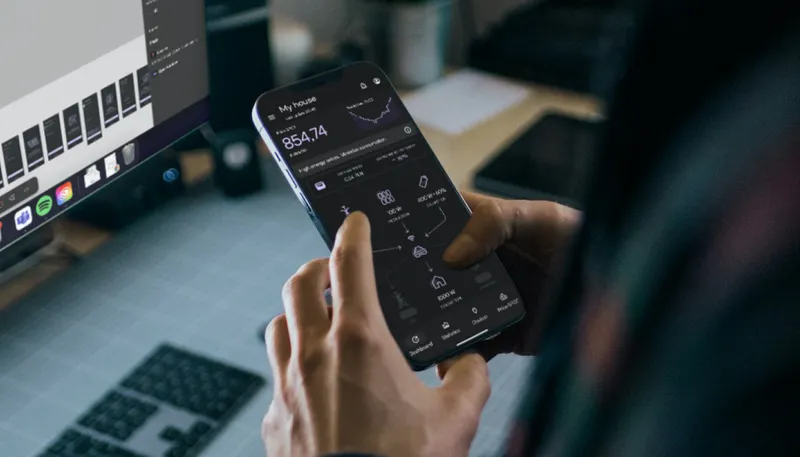
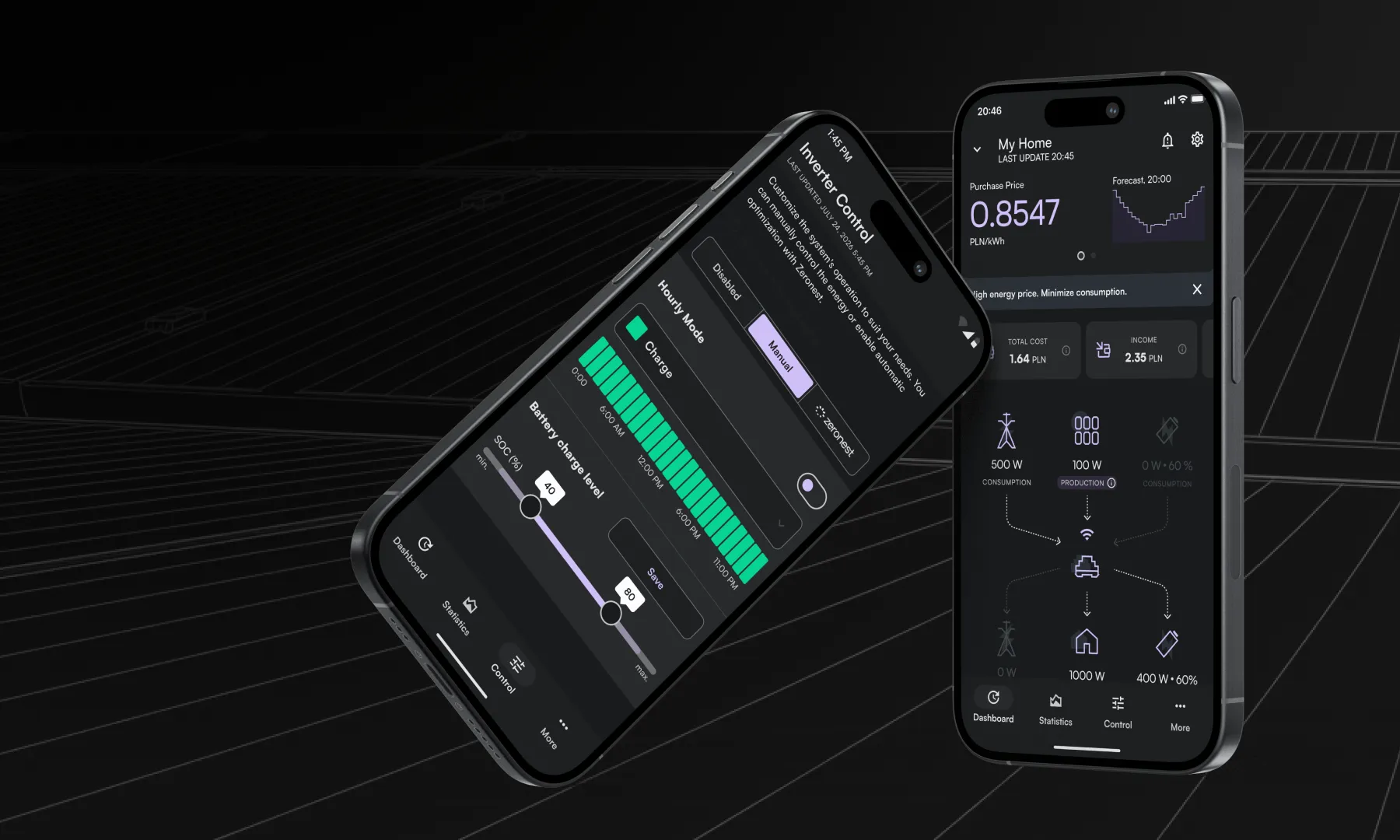
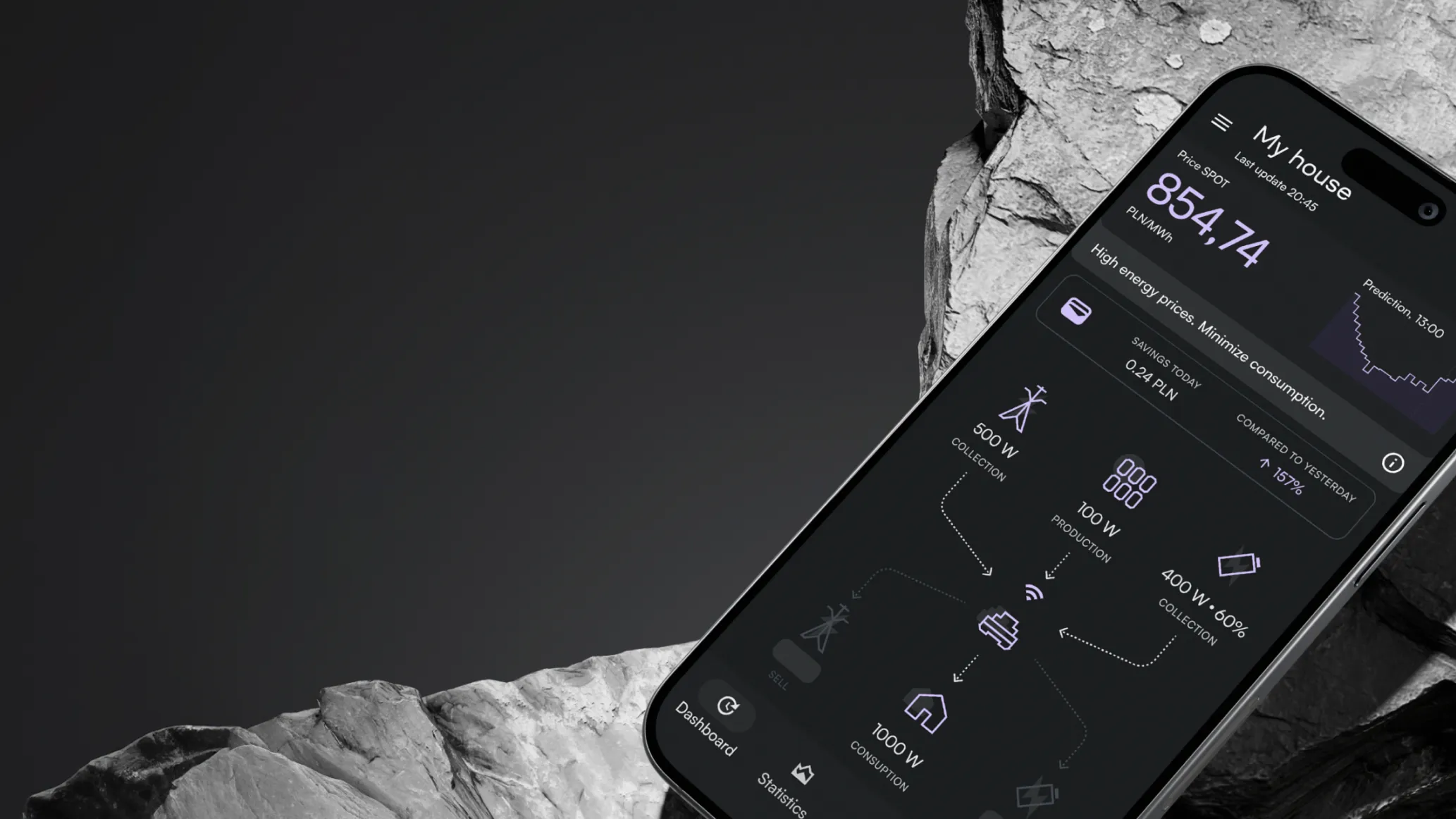
The Zeronest EMS has been in production since June 2024. Once a minute it decides whether a battery charges, discharges or sells to the grid, and Zeronest advertises savings of up to 34%.
Enerace.Online is where Enerace's consultants and their clients manage energy purchases. Built with Python, Django, GraphQL and React on AWS.
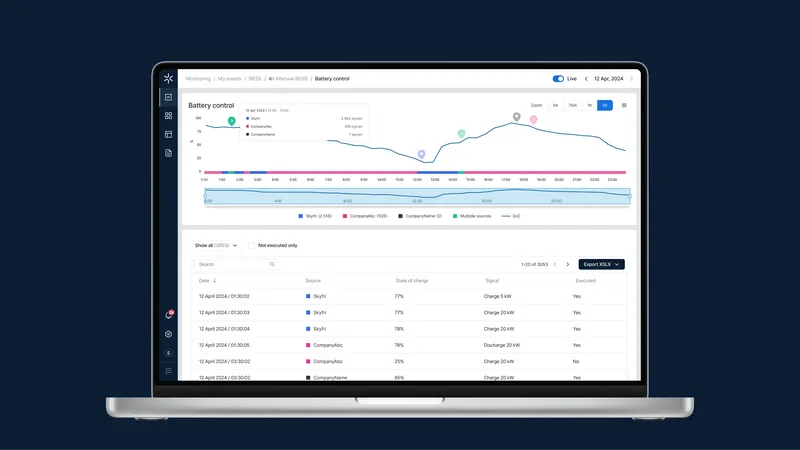
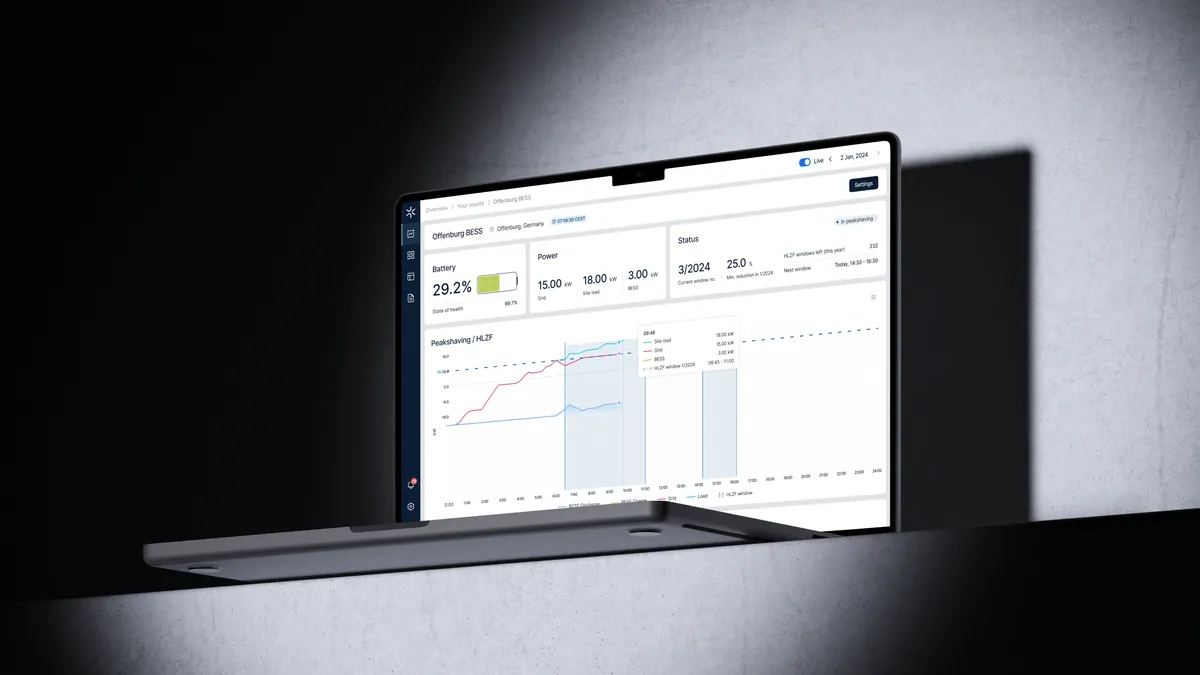
We built the EMS behind Skyfri's solar and battery asset management platform. It went into production in June 2024, was rolled out in Germany and Sweden, and handled peak shaving, energy trading, distribution operator requests and export limits.
The Zeronest EMS runs a single household's battery and thousands of installations on the same code.
Four steps: a free discovery workshop, fixed-scope releases, rollout to your sites and maintenance under SLA.
The discovery workshop maps your assets and market constraints into a priced roadmap.
Fixed-scope releases, priced on outcome rather than hours worked.
Rollout to your sites with monitoring in place, plus documentation, runbooks and infrastructure-as-code for your team.
Maintenance under SLA: 15/30-minute response times, tiered severity, named engineers.
One team from first release to support
We build software that controls hardware in real time, such as the SCADA-based digital twin for KYOTO Group's molten-salt heat storage.
The same engineers stay after launch, under an SLA: 15 minutes to first response on a critical incident, 30 minutes to active work, 24/7.
Projects in Poland run under local rules: capacity-market auctions, balancing products of PSE (the Polish transmission system operator), dynamic tariffs and demand-side response programs for battery storage (BESS) and flexible loads. Since April 3, 2026 those rules also include the amended act on the national cybersecurity system (KSC), Poland's transposition of NIS2. Entities had to apply for entry in the register of essential and important entities by October 3, 2026 and must implement the new obligations by April 3, 2027. Under NIS2, the maximum fine for essential entities must be at least EUR 10 million or 2% of worldwide annual turnover, whichever is higher. In Poland, for most obligations, administrative fines can be imposed only after April 3, 2028.
What the dispatch logic has to handle in Poland: PSE balancing products, the capacity market, DSR programs and dynamic tariffs.
What the platform has to connect to in Poland: the distribution system operators and PSE, the transmission system operator, for market communication and reporting.
We help you find your way through Polish energy regulation as part of the engagement, not as a separate consulting track.
Engineering based in Warsaw, contracts available in English and Polish.
Delivery for clients in Norway and the United States, and for sites in Germany, Canada and Sweden.
Get a clear map of the grid rules that apply to your project: PSE balancing products, the capacity market and licensing.
The full stories behind these systems
Order Group delivered astonishing work in a very organized way. They truly are a team worth trusting your project with!
Order Group is supportive and flexible, delivering high-quality results.
We deliver mission-critical software outside the energy sector too: regulated fintech platforms, industrial IoT beyond the energy grid, and CAT III B aviation systems.
Energy
EMS, trading, ownership, integration, pricing and support.
Yes, it is the largest part of our energy work. We have been building the Zeronest EMS for home solar and batteries since January 2024, we built the EMS behind Skyfri's platform for solar and battery plants, and we are building one for Global Green's battery storage sites. Each decides when batteries charge, discharge or export, within the battery's and the grid connection's limits.
We can add device integrations, market and grid operator connections, flexibility features such as demand-side response, or monitoring. When it makes sense, we extend or migrate the whole platform.
Yes, and the ETRM stays the book of record. We have not built an ETRM; we build the software that works next to one. Since mid-2026 we have been building a purchasing portal for an energy company's business customers, connected to its ETRM and accounting system. We are building it so that contracts, positions and tranches synchronize with the ETRM on a schedule, each tranche order a trader accepts is written to the ETRM, and volume steps follow the rules defined there.
Yes. Enerace.Online, which we have been building since 2020, serves the Enerace advisory and the companies Enerace helps buy electricity and gas: portfolio position, tranche purchases, purchase recommendations and supplier tenders in one platform. For asset operators, the EMS decides when a site charges, discharges or offers capacity on the market.
Yes. For KYOTO Group we spent three and a half years on industrial IoT and digital twin software for a molten-salt thermal energy storage system, from a UX/UI MVP to a SCADA-based system that monitors and controls the flow of energy in real time. The twin combines plant data with weather data and energy price analysis and includes a plant performance simulation interface. Before you order one, decide whether you need monitoring, simulation or control, because each needs different data and safety rules.
We have built one layer of a virtual power plant and are building a second. Neither is a complete VPP platform. For Zeronest we built the demand-side response module: it groups metering points into aggregation units, lets an aggregator create a call across many points and builds a corrected baseline and an hourly report for each call. For Global Green's battery storage sites we are building an EMS whose orchestrator combines setpoints from trading, aFRR and direct control before it distributes them across batteries.
You do. All IP we create for you, including code, designs and documentation, is assigned to you.
Yes. The Zeronest EMS reads and controls inverters from 16 inverter brands over Modbus, and Skyfri's EMS controlled several inverter and battery brands across its plants. For KYOTO Group we built a SCADA-based system. We start by checking which protocols and interfaces your devices expose.
Yes. Use your own models when your forecasts or dispatch strategy are your advantage, or when your traders already rely on them. We build the control layer around them, with the battery and grid limits enforced underneath.
Either, or a mix. Choose on-premise when regulation or your security policy does not allow control logic outside your own infrastructure. Choose the cloud when you need to add sites quickly and do not want to run servers yourself. A hybrid setup keeps control and safety limits at the site and puts analytics and reporting in the cloud.
The first step is a discovery workshop, and it is always free. It maps your assets and market constraints into a priced roadmap. We then build in fixed-scope releases, each priced on outcome rather than on hours worked, so you know what a release costs before it starts.
We design the architecture against the NIS2 obligations that apply to you, and the control layer can run on-premise, so it stays inside your own infrastructure. In Poland, entities had to apply for entry in the register by October 3, 2026 and must implement the obligations by April 3, 2027.
Maintenance runs under an SLA, 24/7: 15 minutes to first response on a critical incident and 30 minutes until an engineer is actively working on it. The contract sets resolution targets for each severity class under a two-tier support model, with transparent penalties if we miss them. Every release goes through code review, CI/CD, a staged rollout and a rollback plan, and incidents go to named engineers.
Full documentation, runbooks and infrastructure-as-code, plus a structured handover. We'd rather win the next contract on merit than on lock-in.
A free 45-minute market briefing covering PSE rules, the capacity market and licensing.
We build the software layer plus validation prototypes; hardware runs through your partners or ours.

Your message goes to
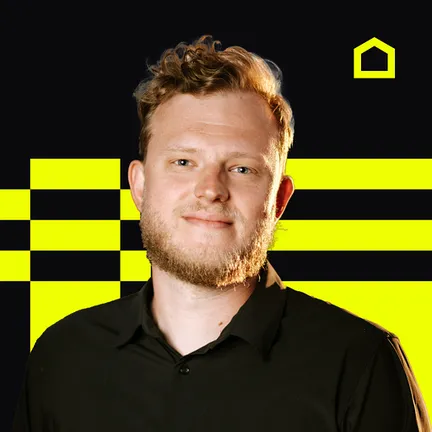
Filip Szamborski
Co-founder & CEO
Your message goes to
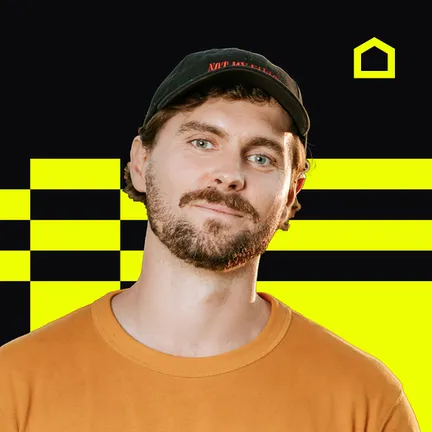
Karol Oponowicz
Co-founder & Business Owner
Your message goes to
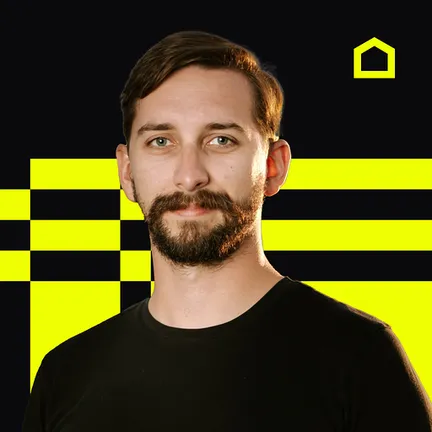
Paweł Zieliński
Co-founder & Business Owner
SO FAR WE HAVE WORKED WITH BRANDS LIKE:
Thank you for your message.
We read every message ourselves and get back to you within 48 hrs on business days.
Something urgent? hello@ordergroup.co