Software development services for systems that can't fail.
We do hard things.

Why teams bring us the hard parts
What we do
Software development

Platform & cloud engineering
Design

Consulting & Discovery
Where we go deep
Services are how we work. These four domains are where the published proof lives.
-
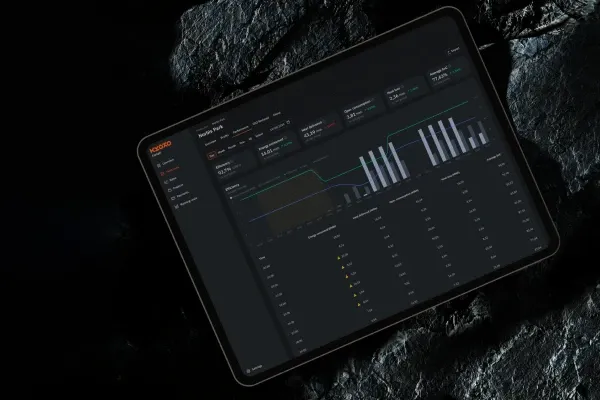
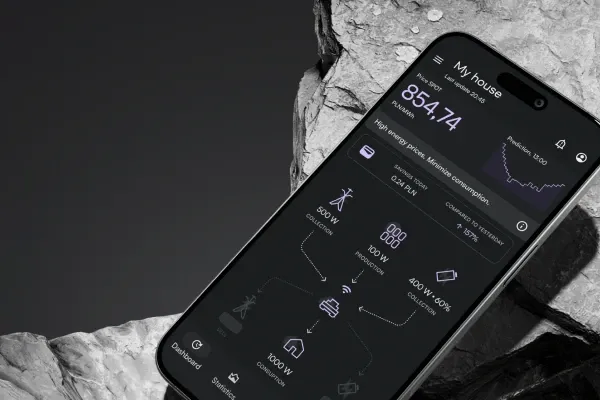
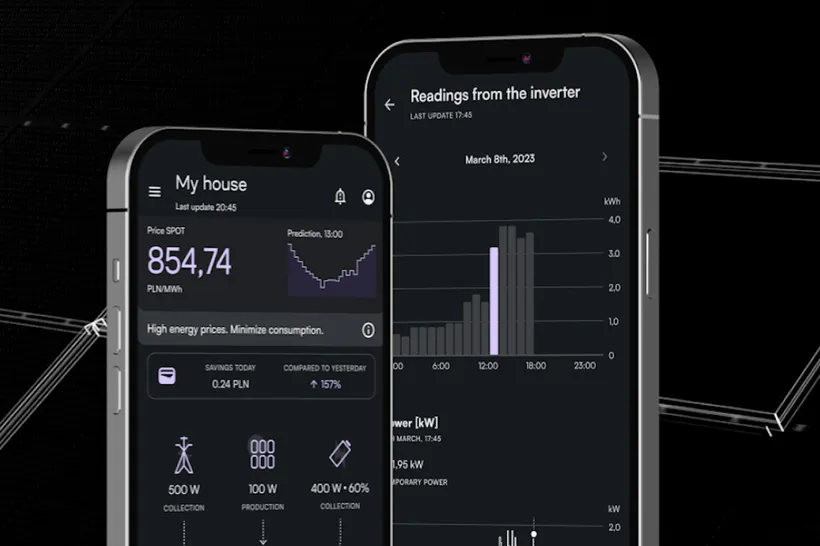 Energy & renewablesEMS, energy trading, storage automation and grid IoT: KYOTO, Zeronest, Nuvve and Enerace. Market rules, telemetry patterns and settlement reconciliation transfer between projects.
 -
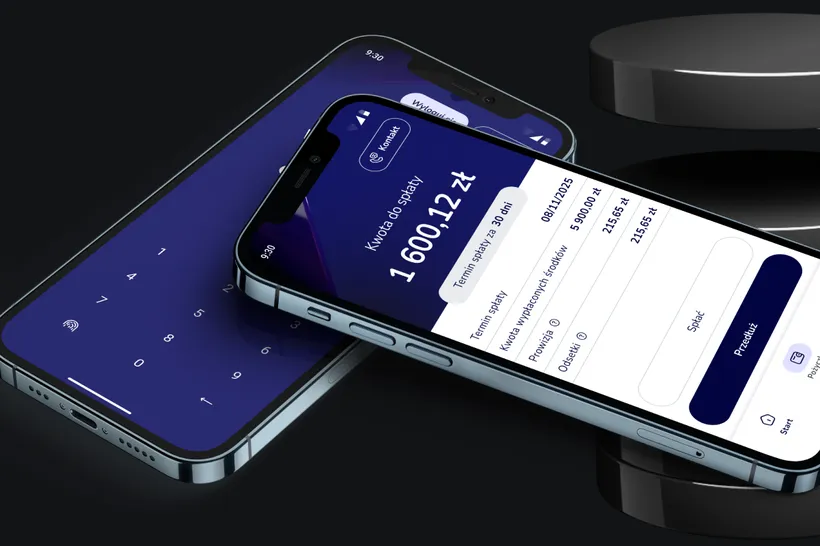 Fintech & bankingCurrency-risk analytics (Monetor) and the UX redesign BizBot needed to hold up in front of investors. A rounding rule or a duplicated transfer has legal weight, so reconciliation comes first.
 -
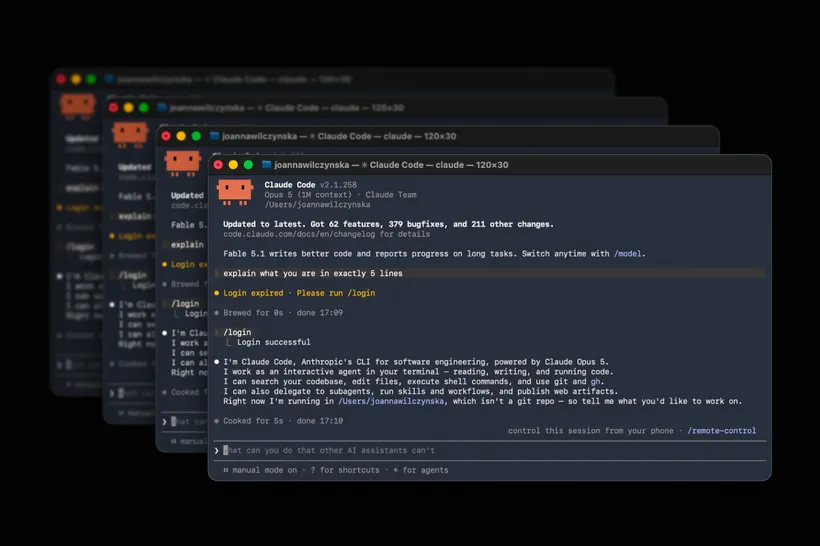 AI solutionsDecision engines in production, like Zeronest's battery automation that re-decides once a minute. The interesting parts: data pipeline, fallback for wrong predictions, explainability.
 -
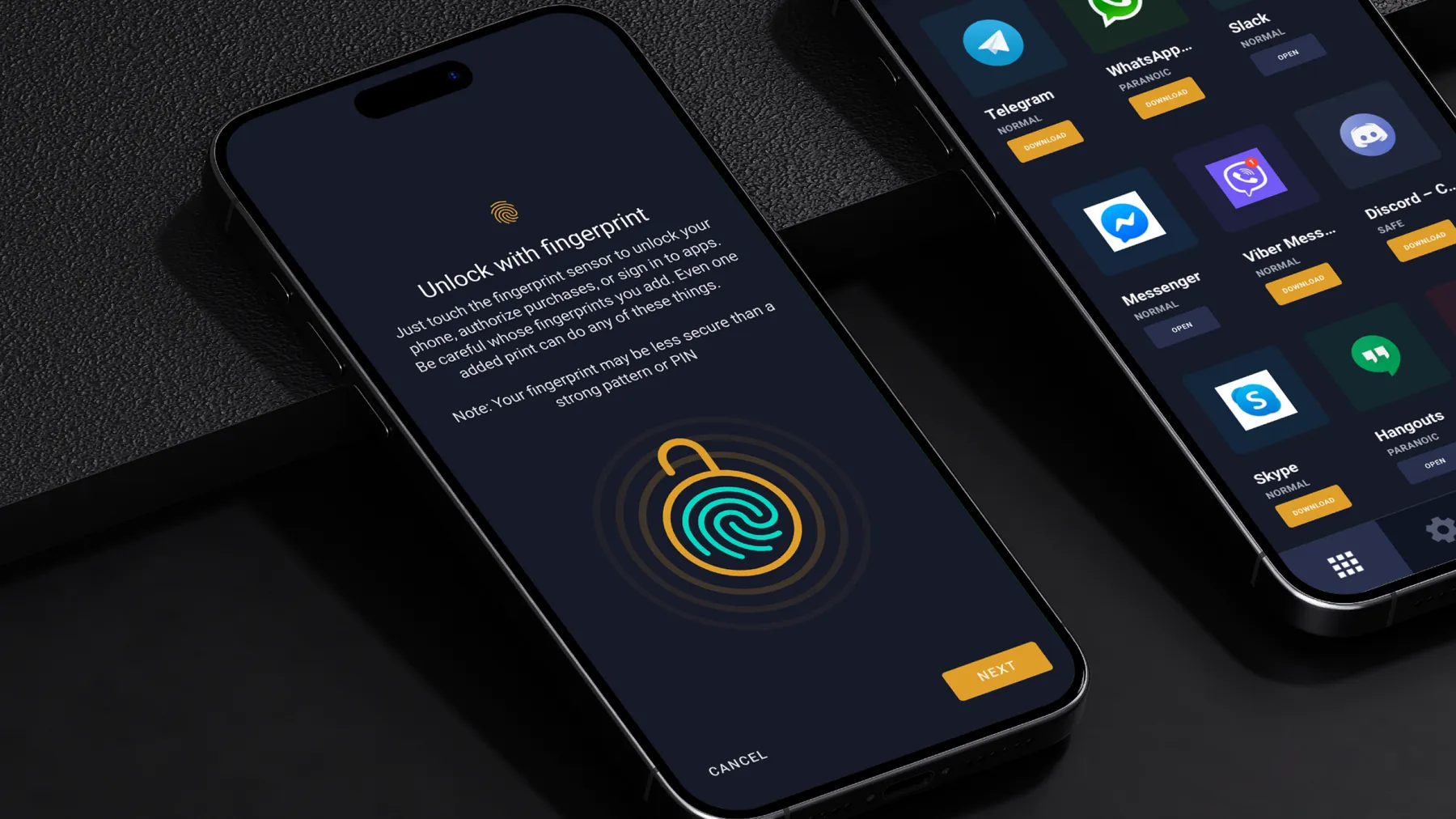
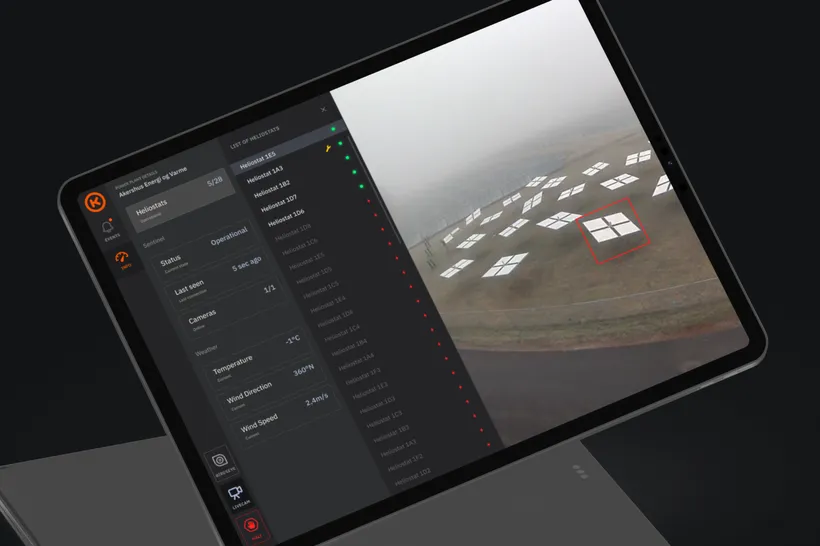 IoT & devicesFrom a hardened Android OS for RAW Cyber to airport lighting fleets (Monster) and Mudita's AOSP work: firmware you cannot patch weekly, hardware that must not stop.
What makes a system hard
A checklist: a project reaches us when at least one of these is true.

Regulated
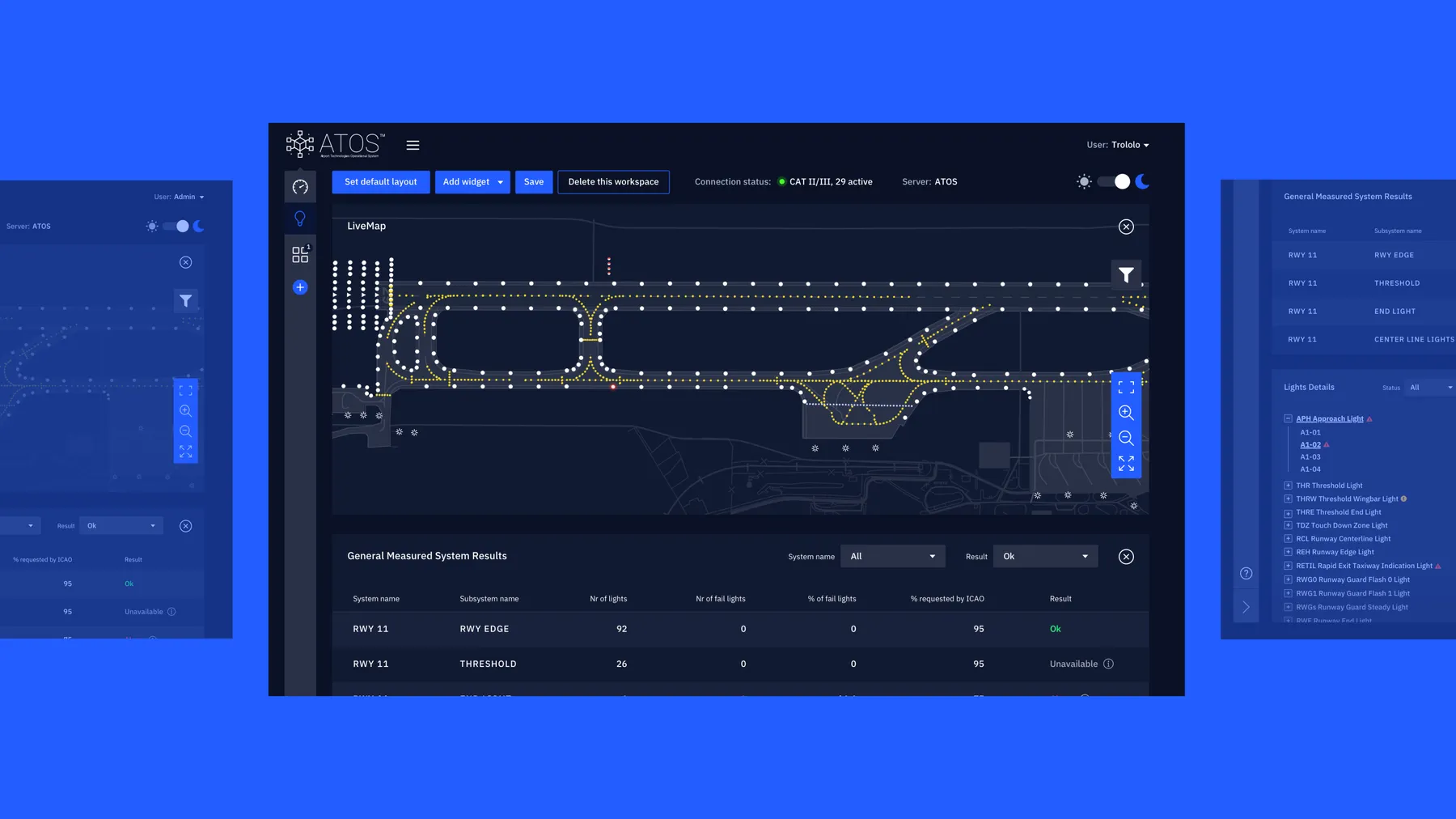
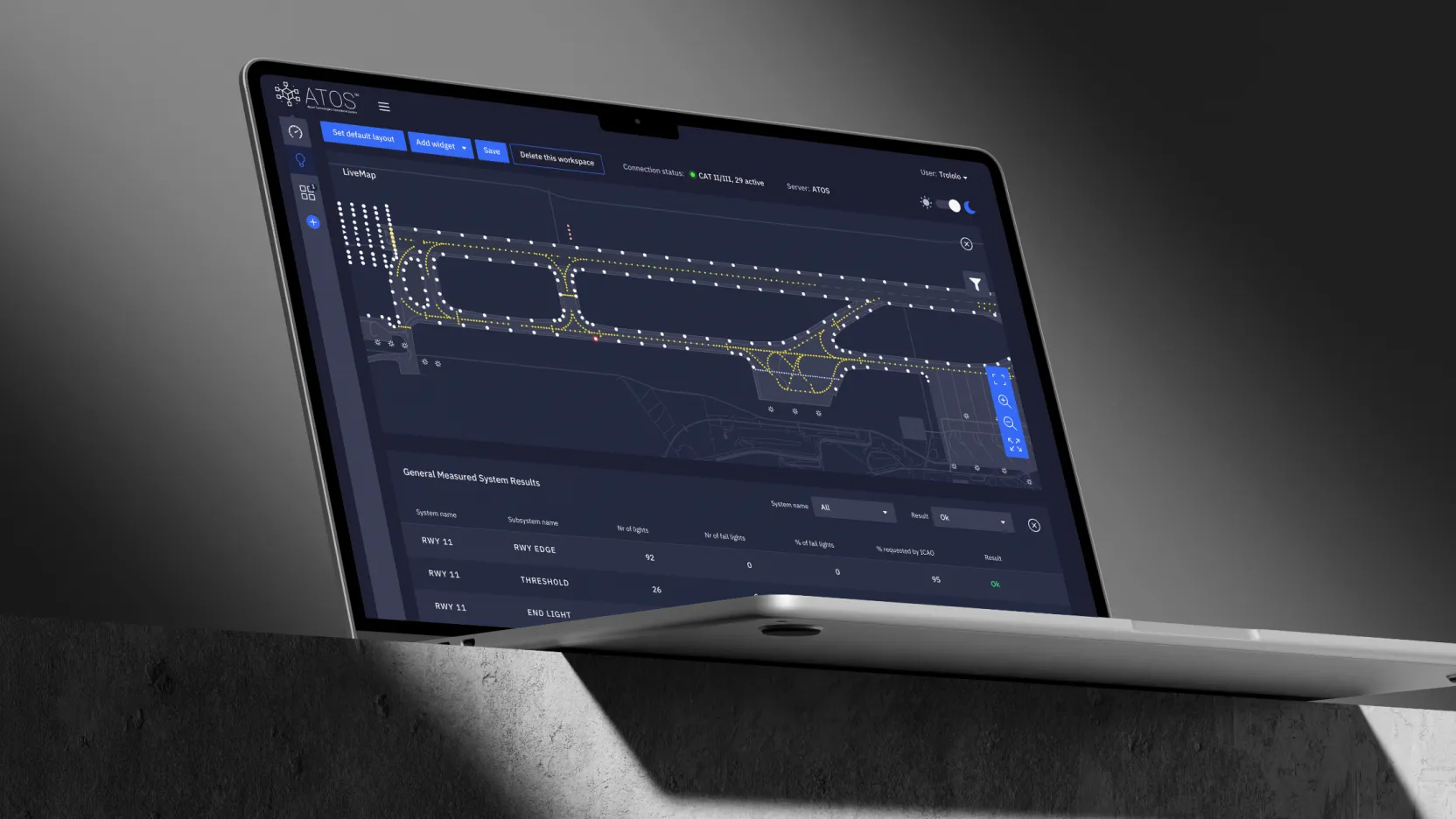
A regulator, an auditor or an acceptance test will read the system before users do. ATOS had to satisfy aviation authorities; Zeronest ships under NIS2, the EU Cyber Resilience Act and Poland's national cybersecurity act.

Critical
Failure costs real money or real safety: a landing that must go ahead in fog, a battery fleet acting on market prices, an FX exposure that has to be right before the market moves (Monetor). That is why QA sits inside the team.

Close to hardware
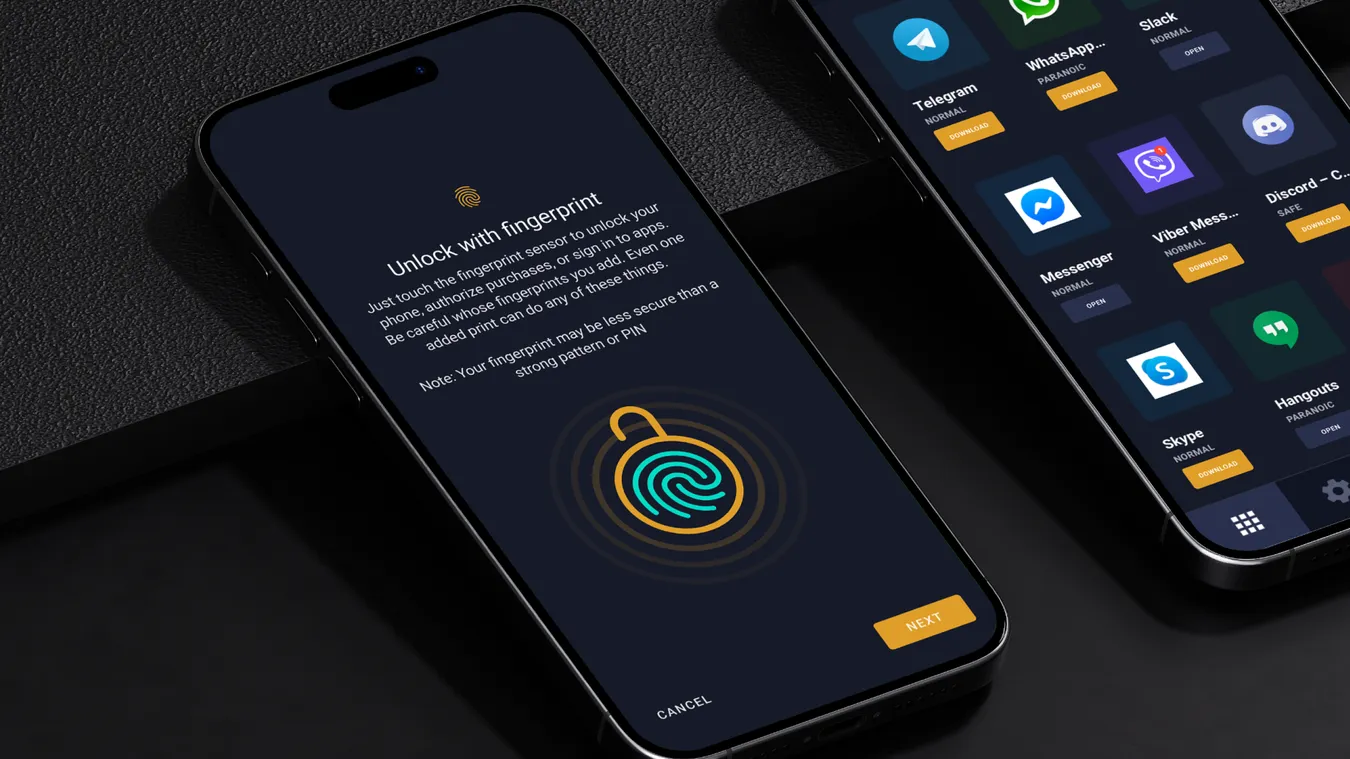
The software talks to inverters, meters, lighting systems or a phone's own operating system. Zeronest reads sixteen inverter brands through hardware we integrated ourselves; RAW Cyber went down to a custom Android-based OS.

Data-heavy and live
Decisions happen on live streams and the architecture has to survive growth: Zeronest's engine weighs production, consumption and battery state against market prices for its whole fleet, minute by minute.
Four values, each with evidence next to it
Why clients stay with us
Each of the four below is followed by the project, the number or the contract clause that makes it checkable.
A named team and a named delivery lead - the same people, sprint after sprint.
Engagement and responsibility
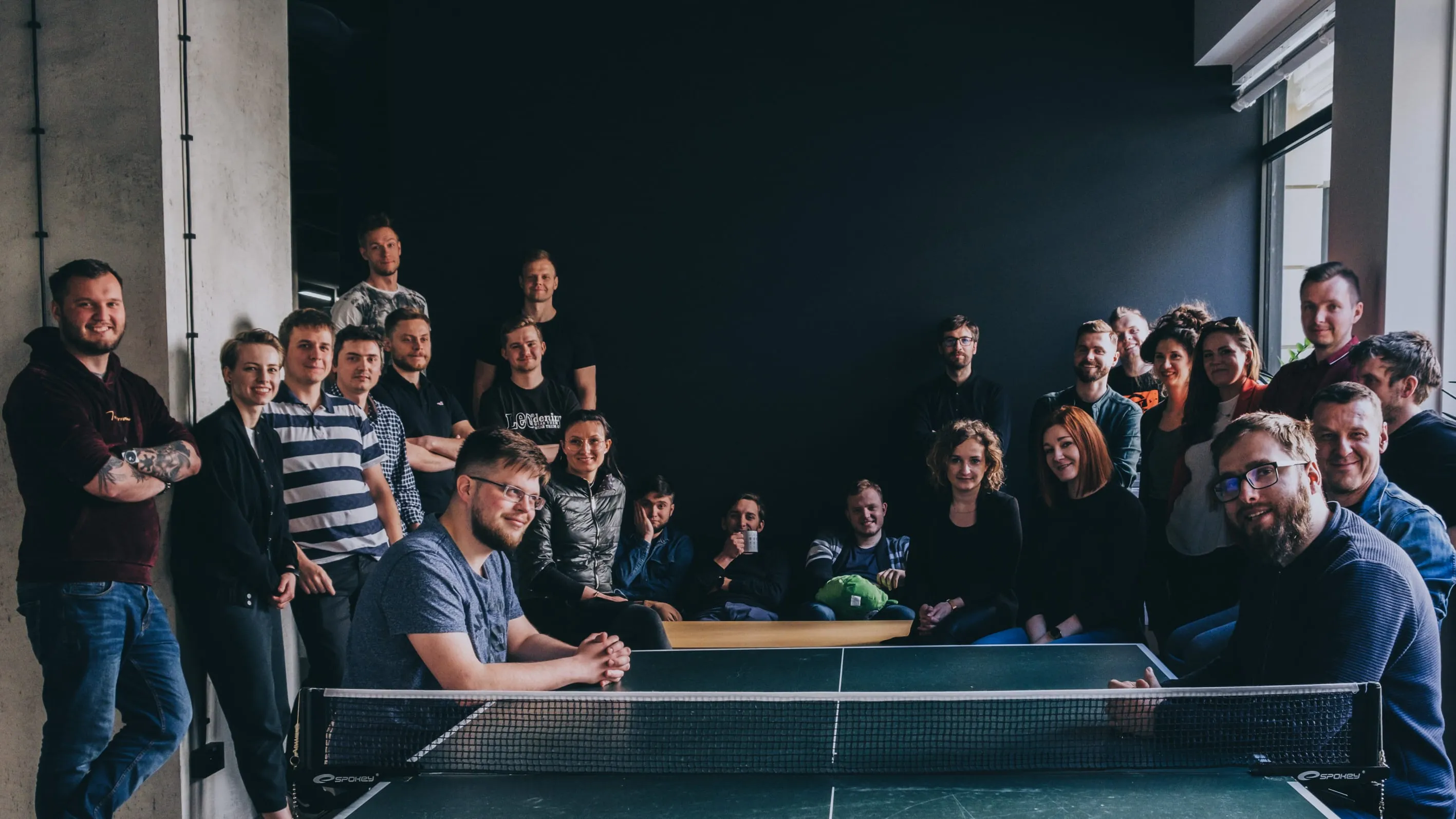
You get a named team and a named delivery lead, not a rotating pool. The same seven people have been on Zeronest since January 2024: backend, mobile, QA, analysis and design. Every invoice comes with an hour-level report behind it, so you can see who worked on what. That accumulated context is what disappears when a vendor rotates people - and what you are paying to keep.
When someone else signs off on the work, quality stops being a matter of opinion.
Quality with an outside referee
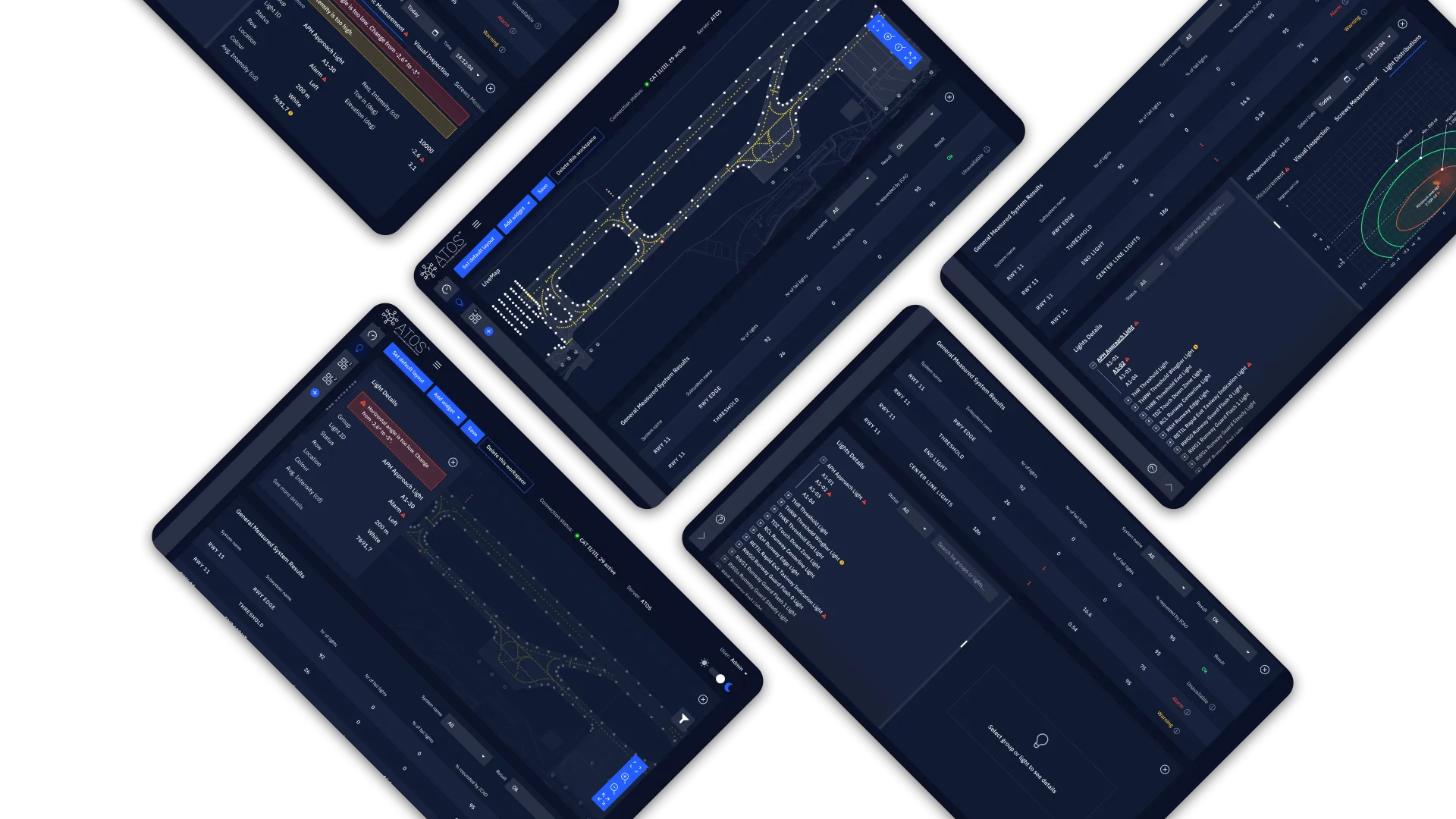
ATOS, the airport system we built with AP-TECH, was tested at a working airport before dawn and today supports landings in CAT III B conditions - near-zero visibility. An aviation acceptance authority read that system before any user did. The same project helped carry our partner AP-TECH into the Deloitte Technology Fast 50. QA sits inside the team from the first sprint, not in a phase bolted on at the end.
Some of our work improves more than a balance sheet.
Good impact
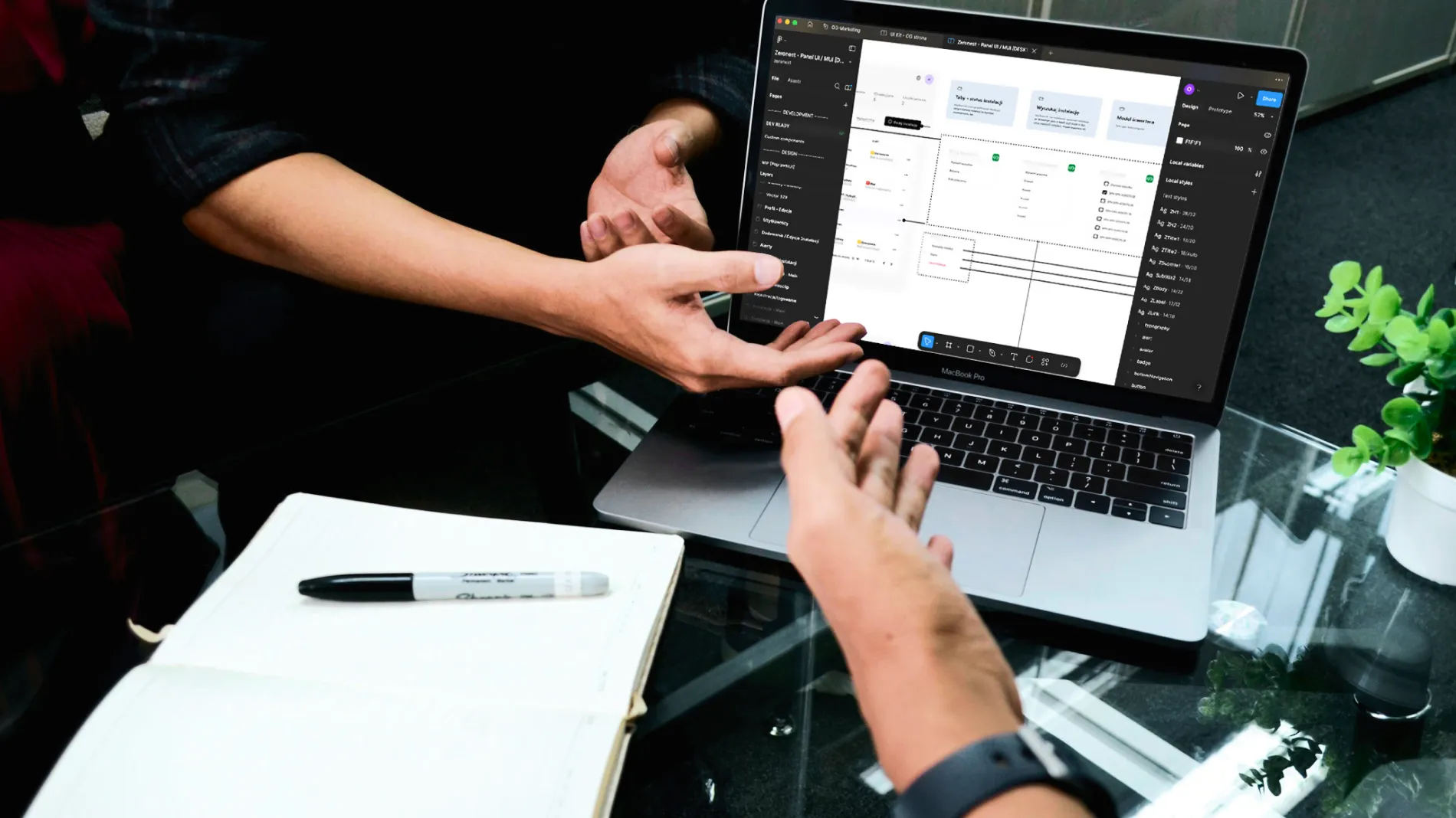
We build accessible, LLM-assisted software for a Polish association supporting people with intellectual disabilities, where accessibility is a hard requirement. On the energy side, the platforms we build move renewable production and storage into daily operations. Both rely on the same engineering discipline; only the beneficiaries differ.
We name clients only where they have agreed to it.
Trust
A large part of our portfolio sits under NDA, which is why this site names fewer clients than we have worked with. Names appear only where we hold recorded consent; the rest of the portfolio stays anonymous, no matter how good the story would be. The same discipline applies to your project: our default contract assigns all intellectual property - code, designs and documentation - to you.

What clients say
Piotr Gocal
Product Owner, Matic SA
“This project involves one of the two biggest solutions in our company, so Order Group's support has had a notable impact on our business.”
Brands we have built for








How an engagement runs

Discovery
Design

Build
Run
Not sure which service you need? Start with a conversation.
Get an estimate for the costs, timeline and the team setup needed for your project.
Do you have questions?
Costs, contracts, timelines: answers before you ask
-
We work on a per-hour basis, so the cost depends on how much input you need from us. As a rough guide, projects start from €25,000 and typically range from €25,000 to €200,000+. For work with a clear scope and specific deliverables, we can also consider fixed project fees. The estimate itself is free: costs, timeline and the team setup we would propose, in writing.
-
Python with Django and Django REST Framework on the backend, React and Next.js on the web, React Native for mobile and AWS underneath - the stack you can inspect in our published case studies like Zeronest. On the energy and IoT side that stack talks to hardware: in Zeronest's case, device-to-cloud communication runs over MQTT and TLS 1.2 behind AWS IoT Core. And when the problem sits lower, we go lower: for RAW Cyber we built a custom Android-based operating system in C and C++, and for Mudita we worked on an OS built on AOSP.
-
Time and material is the default, and in practice it means monthly invoices with an hour-level report behind them: who worked, on what, for how long. You can cap a month, pause a sprint or change the team size with two weeks' notice. Fixed project fees are possible where the scope is genuinely closed - a migration, an audit, a defined integration.
-
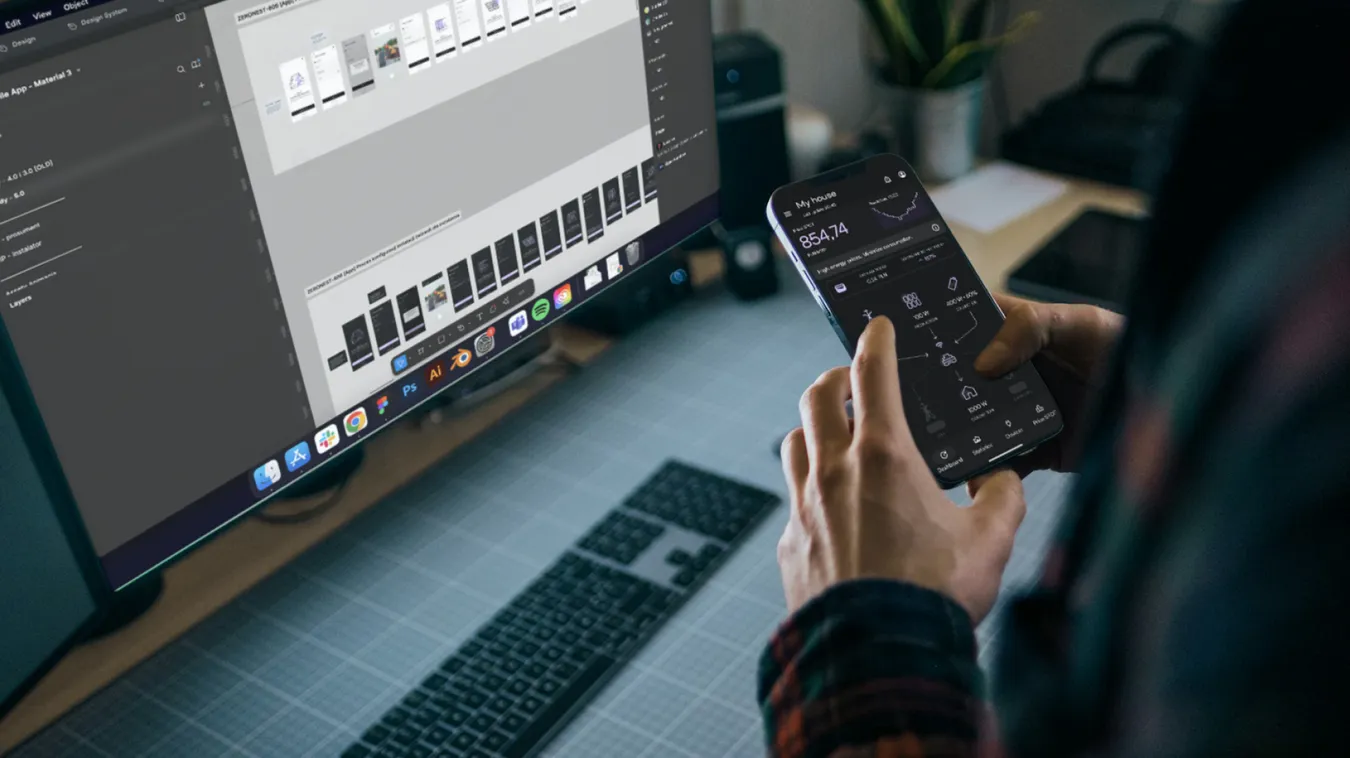
Yes - redesigns of live products are a large share of our design work. We start with a UX audit of the current product, agree what to keep, and redesign around the users' real tasks. BizBot came to us exactly this way: an existing fintech platform that needed UX solid enough for investors.
-
A stable group of our engineers who work only on your product, for as long as you need them. Zeronest has been staffed by the same seven-person Order Group team since January 2024 - backend, mobile, QA, analysis and design - working in one- or two-week sprints as if they were in-house. That accumulated context is exactly what disappears when a vendor rotates people, and what you are paying to keep.
-
Short, fixed sprints with a demo of working software at the end of each one, and a named delivery lead. Deadlines are managed by scope: you always see what fits before the date, and decide what moves.
-
A working MVP takes from about three months; a full product typically takes 7-9 months. Larger systems ship in phases: a first production release within months, then steady sprint-by-sprint growth. Zeronest is a fair benchmark for the phased path: work started in January 2024 and an early version of the platform was shown publicly at Intersolar Europe that June.
-
Both, and the process flexes to match. A founder usually starts with a discovery workshop and a three-month MVP; an enterprise more often brings an existing system, a compliance requirement or an integration problem. The team model is the same - what changes is how much of the work is building versus untangling.
-
Yes - a large part of our portfolio is under NDA, which is why this site names fewer clients than we have. Our default contract assigns all intellectual property - code, designs and documentation - to you.
-
Yes, and it starts with an audit, not a rewrite. We map the current architecture, stabilize what is fragile, and only then propose a modernization roadmap - because "rebuild everything" is usually the most expensive sentence in software. The first deliverable is a map you can act on: what runs where, what breaks most often, and what it costs to keep each part alive.
-
Compliance lands in the architecture, in the backlog and in the test plan. In practice that means deciding early where data is processed and who may see it, writing the acceptance criteria as tickets, and keeping an audit trail inside the system. Zeronest is the clearest example on this site: the platform is built to meet NIS2, the EU Cyber Resilience Act and Poland's national cybersecurity act, and client data stays inside the EU. Where a system faces an acceptance authority, as ATOS did in aviation, those criteria shape the plan for every sprint.
-
After launch the work changes shape: monitoring and error tracking (Sentry, as on Zeronest), fixes, and priorities set from what the monitoring and the support queue actually show. Zeronest has been live since 2024 and still receives new features every sprint - subscription billing and payments arrived in 2026.
-
Yes. Our default rate model is transparent enough to survive procurement scrutiny: hours, roles and deliverables in writing, with monthly reporting behind every invoice. Ask at the estimate stage and you get client references, the CVs of the people who would actually work on it, and our security and data-processing practices in writing.
-
Send a short description of the problem - one paragraph is enough - and we come back within 48 hours with an estimate and the questions we need answered. From your side we need three things: access to whoever knows the current system, your non-negotiable constraints, and one person who can make decisions. Constraints usually mean a regulator, a deadline or an existing stack.
-
We are based in Warsaw, Poland, and have worked worldwide since 2013. Collaboration is mostly remote; we travel when a project needs us in person - for kick-offs, workshops and go-lives at your office.


Let's find out what your product really needs
Your message goes to
Filip Szamborski
Co-founder & CEO

Your message goes to
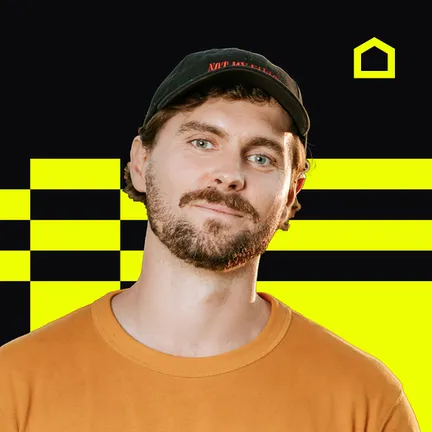
Karol Oponowicz
Co-founder & Business Owner
Your message goes to
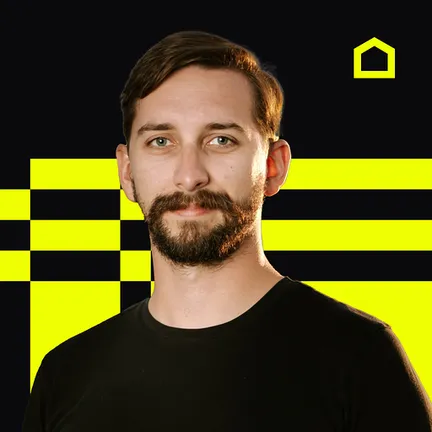
Paweł Zieliński
Co-founder & Business Owner
SO FAR WE HAVE WORKED WITH BRANDS LIKE:



Thank you for your message.
We read every message ourselves and get back to you within 48 hrs on business days.
Something urgent? hello@ordergroup.co