Product Design Agency: UX/UI That Ships
Skip UX research and the interface gets redesigned after launch, on a bigger budget than the workshop would have cost. We're a product design agency: discovery workshop first, then UX and UI design, so the screens your team builds are the ones users actually needed.
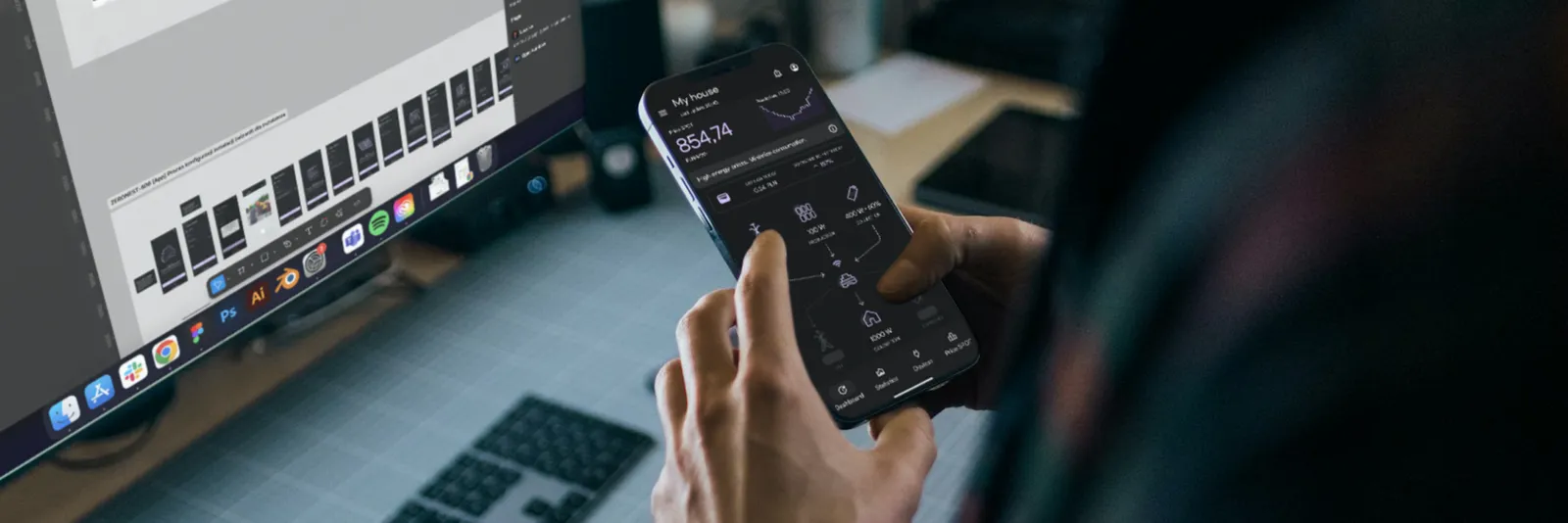
Two Disciplines, One UX/UI Design Agency Process
One team carries each decision from research to screen, with no file passed between two vendors.
Benefits of Product Design
Better Overview
Users' Understanding
Aligning All Stakeholders
Faster Time to Market
Smaller Risk of Failure
Flexibility
What a Product Design Agency Does
A product design agency turns a founder's idea into screens a team can build from: a discovery workshop, then two disciplines. UX Design covers research, flows and wireframes - the structure a screen is built on. UI Design covers the visual system: typography, color, components and states. Need one half? User Experience Design and User Interface Design run as standalone services too.
Same discovery-first process, two different focuses
Choose Your Starting Point
User Experience Design: research, flows and wireframes - the groundwork a screen gets built on.
User Interface Design: the visual system, components and interaction detail, built on that research.
What You'll Find Below
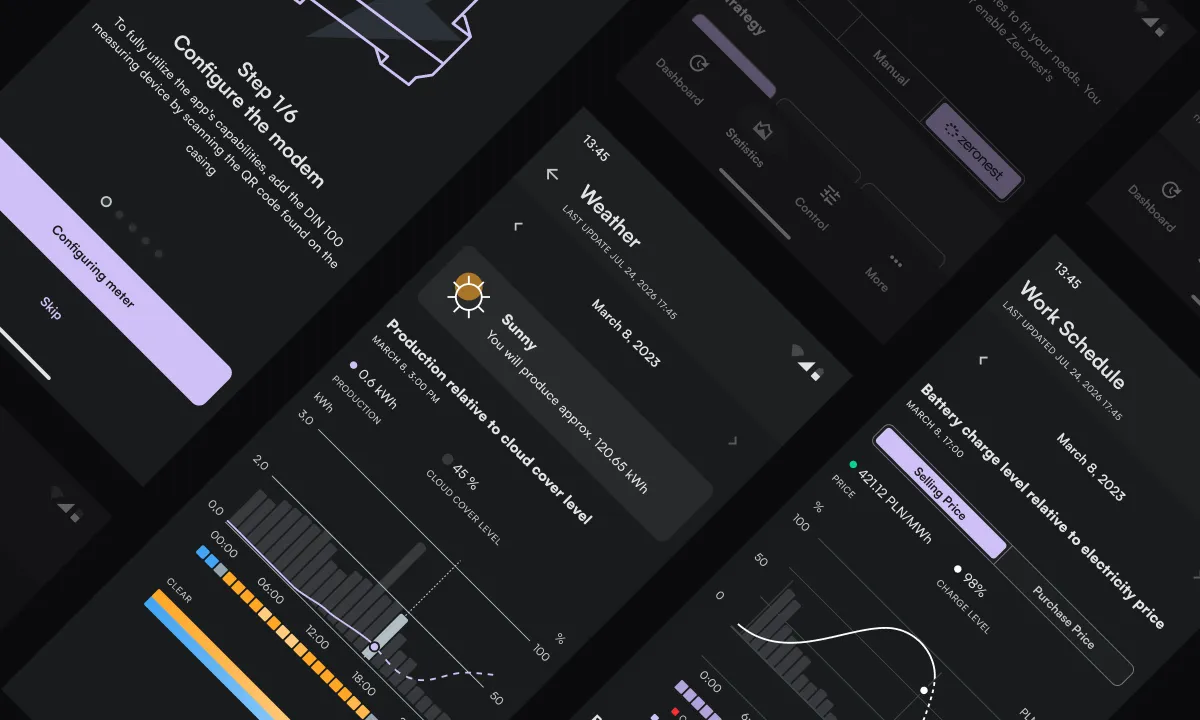
Our Product Design Process
Discovery Workshop
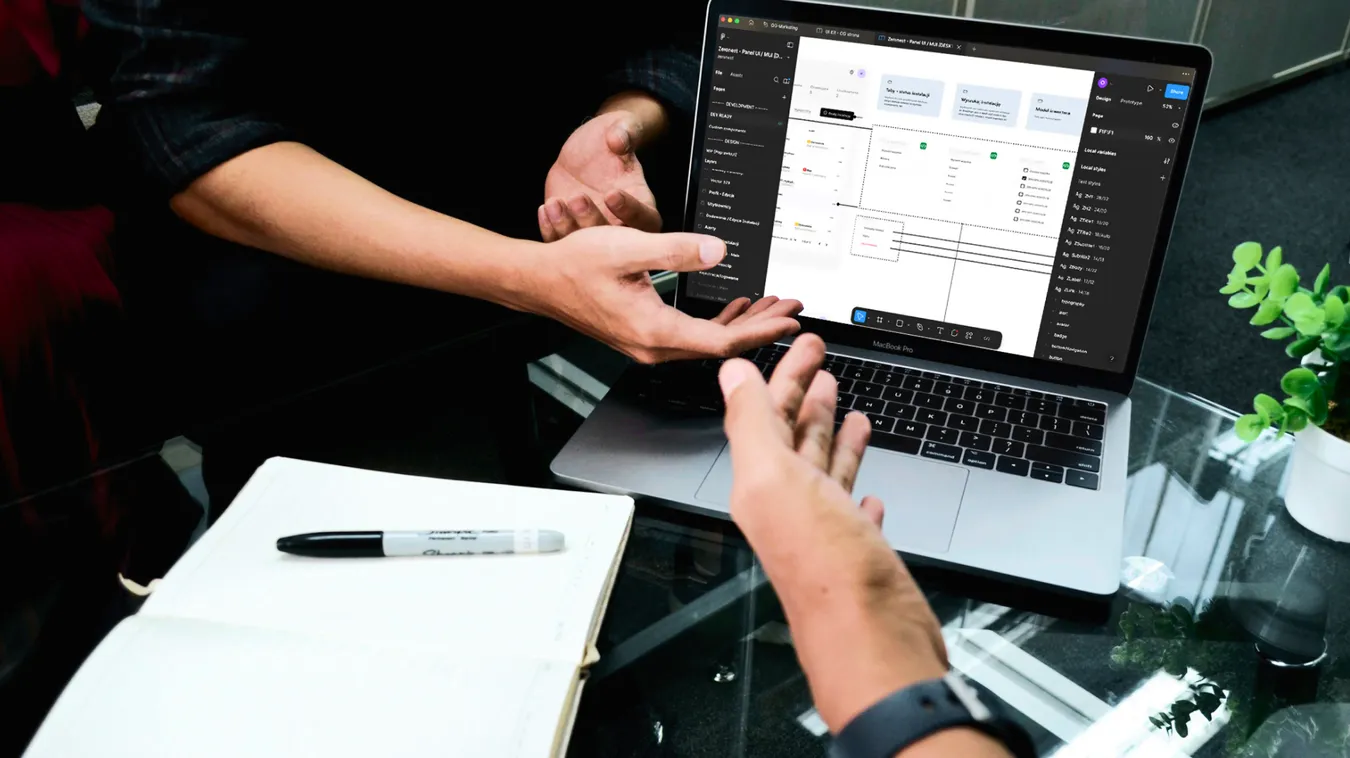
UX Research
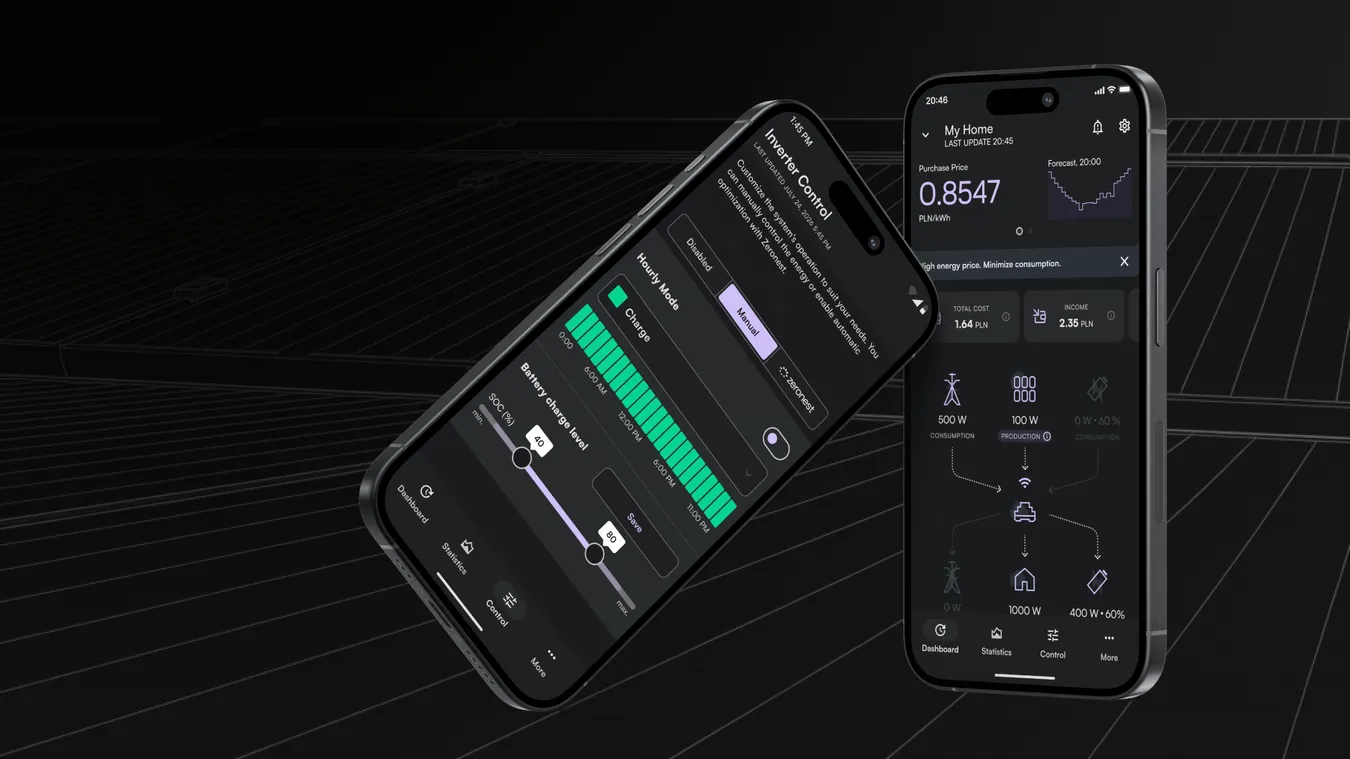
UI Design
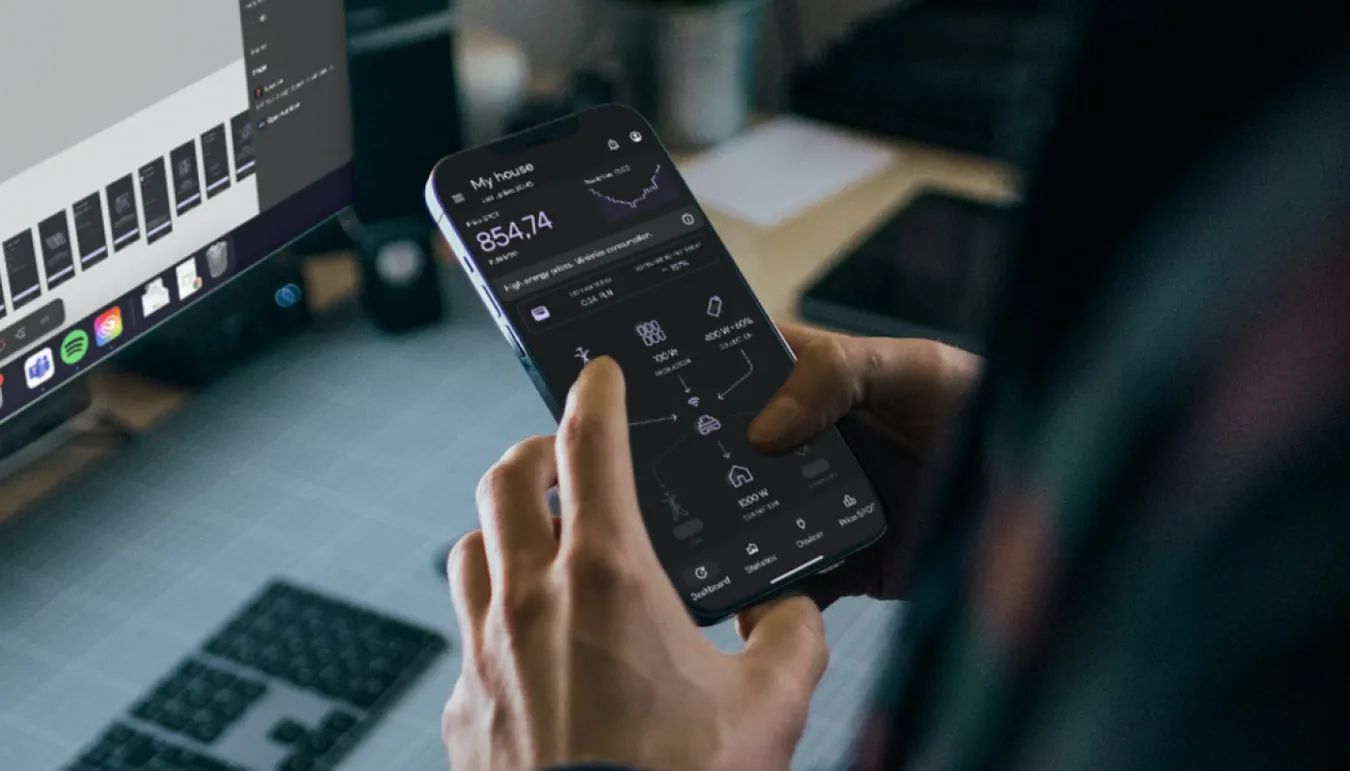
Clickable Prototype
User Testing
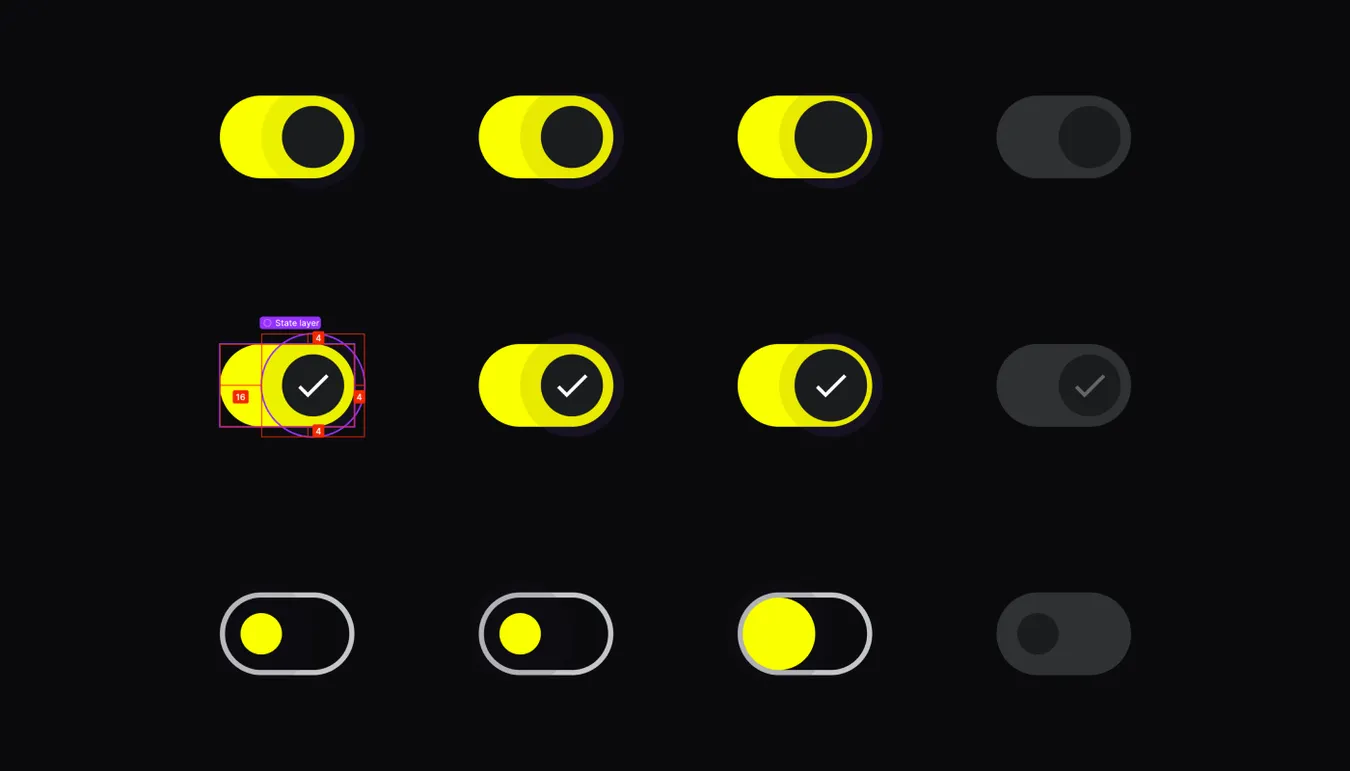
Handoff
Successful Projects
Read how discovery-first design worked for one client, start to finish

Didrik Martens
BizBot CEO
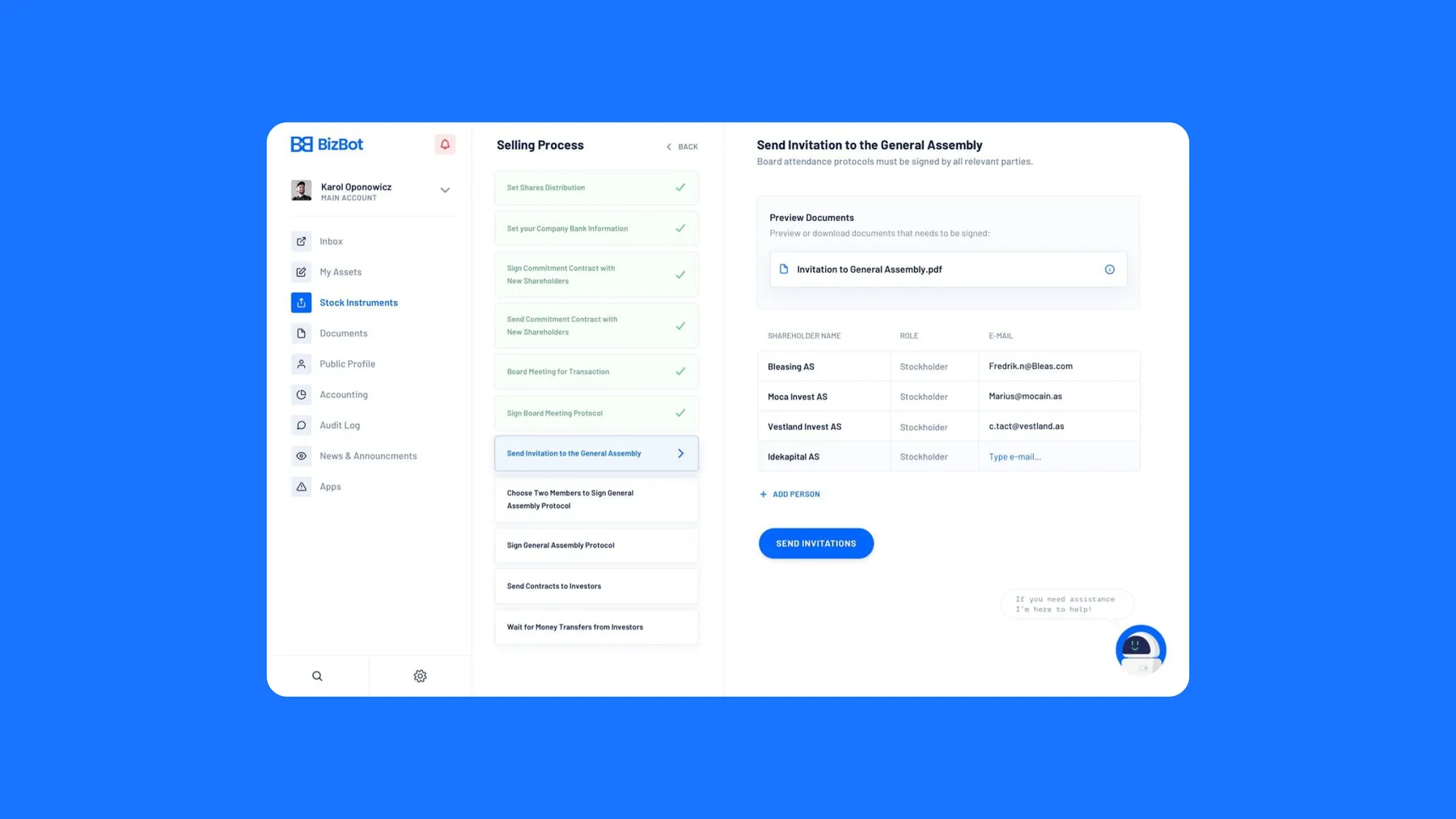
Three habits from the BizBot build that carry into every product design project, whichever discipline you start with.
Why Choose Us for Product Design
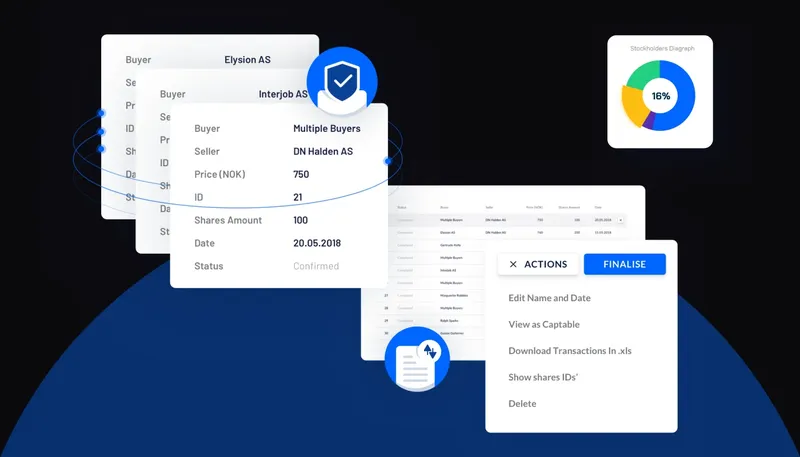
Empathetic Solution Design
On BizBot, understanding what the platform's users needed came first, from discovery sessions with its founders and stakeholders. That research fed directly into the 400 screens we designed for the platform.
That process starts with a discovery workshop, not a form to fill in: assumptions get tested directly with the people who will use the product.
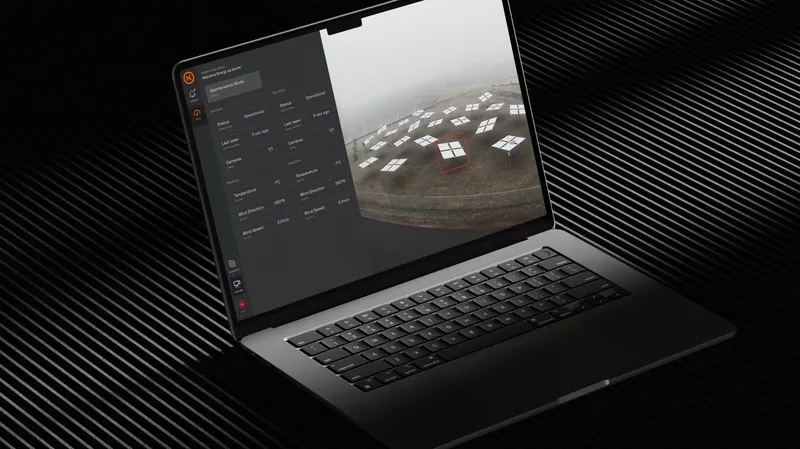
Data-Driven Design
User research shaped what BizBot's design needed to solve, and that same research fed the 21 landing pages and 50+ graphic elements the team delivered.
Wireframes get revised against what research shows, keeping each design decision traceable to a source.
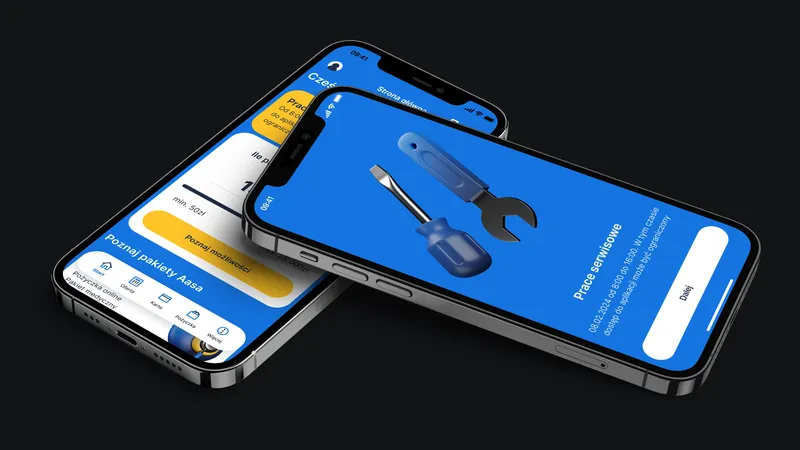
Agile Design Thinking
Design runs in short cycles alongside development: propose, test with users, revise. That keeps a UX or UI decision open for revision until user testing confirms it works.
Each cycle produces something reviewable: a wireframe, a clickable screen or a component, ready for feedback right away.
Product design and UX/UI work across fintech, energy and consumer products
Brands we've designed for






Book a Discovery Workshop
Walk through your product with our design team and leave with a scoped UX/UI plan - cost, timeline and team composition included.
FAQ for Founders

-
The timeline depends on scope: a UI refresh of an existing product moves faster than a full UX and UI build starting from a discovery workshop. Book a workshop and we scope your phases with a timeline attached to each, so you know what to expect before any contract is signed. On BizBot, a platform-scale build ran across a full discovery-to-UI process, while a UI-only refresh for a smaller feature scopes to a much shorter timeline.
-
Starting with UI before UX research usually means redesigning the interface once user testing surfaces problems research would have caught first. On BizBot, that research happened before the first wireframe was drawn.
-
A discovery workshop turns scattered assumptions about your users into one documented brief that the whole team can act on right away. That is the session behind BizBot's platform, from its founders' first meeting through its finished wireframes. Founders walk out with a written brief they can hand to any team - ours or their own - rather than a set of verbal decisions nobody wrote down.
-
User Experience Design and User Interface Design are two connected but different stages of the same product design process:
- UX Design produces the user map, flows and wireframes - the structure a screen gets built on.
- UI Design produces the visual system: typography, color, components and interaction states, built on top of that structure.
We scope them as one build or two separate services, depending on what you already have in place. A discovery workshop is where we figure out which of the two your project actually needs. Most founders assume they need one when they actually need the other, and the workshop catches that early.
-
Yes - User Experience Design and User Interface Design run as standalone services when the scope is narrower than a full product design build, useful if one half is already covered internally. Most engagements start with a short scoping call to confirm which half you already have in place.
-
A typical Product Design engagement hands over a user map and flows, a wireframe set, a UI component library, redlines for developers and a clickable prototype - the same set of deliverables produced across BizBot's UX and UI work. Every deliverable ships as an editable file, not a static export, so your team can keep working from it after the engagement ends.
-
We design in Figma for wireframes, UI design and prototyping, with a shared file your team can review and comment on directly, without waiting for a slide deck to circulate. That file stays available after the engagement ends, so your team keeps full access to every screen and component. We standardize on Figma across every project, so a designer joining mid-engagement can pick up any file without a ramp-up period.
-
We work on a per-hour basis, so cost depends on scope. A discovery workshop is the fastest way to get a written estimate - team composition, timeline and cost - specific to your product, delivered within 48 hours of the session. A UI-only refresh and a full discovery-to-UI build land at very different price points, which is exactly what the workshop scopes out up front. That estimate breaks down hours by phase - discovery, UX research, UI design - so you see where the budget actually goes.
-
BizBot: a discovery workshop, UX research and UI design across 21 landing pages and 50+ graphic elements, for a platform that raised 6.4M NOK (~$713k) and joined the Copenhagen FinTech accelerator.
Discover what your product really needs
Your message goes to

Filip Szamborski
Board Member

Your message goes to

Karol Oponowicz
Board Member
Your message goes to

Paweł Zieliński
Board Member
so far we've worked with brands like:

Thank you for your message.
We read every message ourselves and get back to you within 48 hrs on business days.
Something urgent? [email protected]