UX Design Services
We design the experience layer of digital products: user research, information architecture, wireframes, prototypes and usability testing, run as one process from first sketch to shipped screen.
What UX Design Actually Covers
Three stages, always in the same order
How We Run UX Design

User Research & Usability Testing
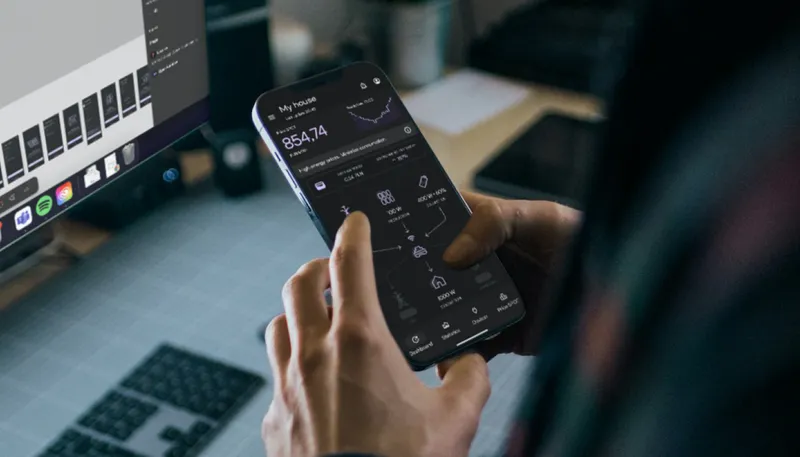
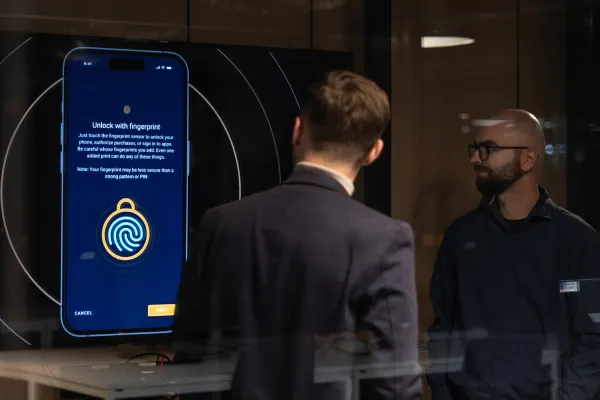
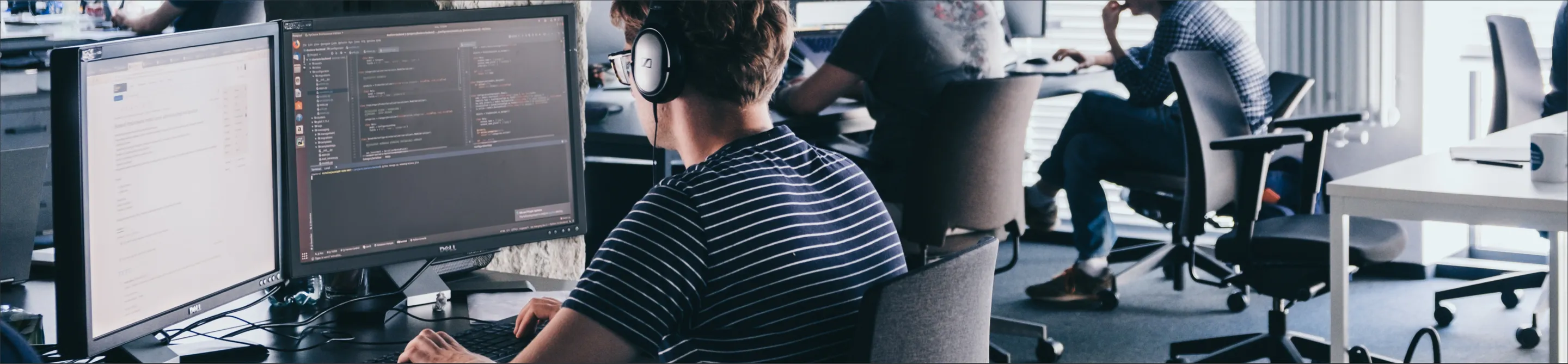
We start by watching how people actually try to use a product, not by guessing. Sessions run on a real device or a working prototype, recorded on screen so a decision can be traced back to a moment a user got stuck rather than to an opinion in a meeting.
Wireframing & Prototyping
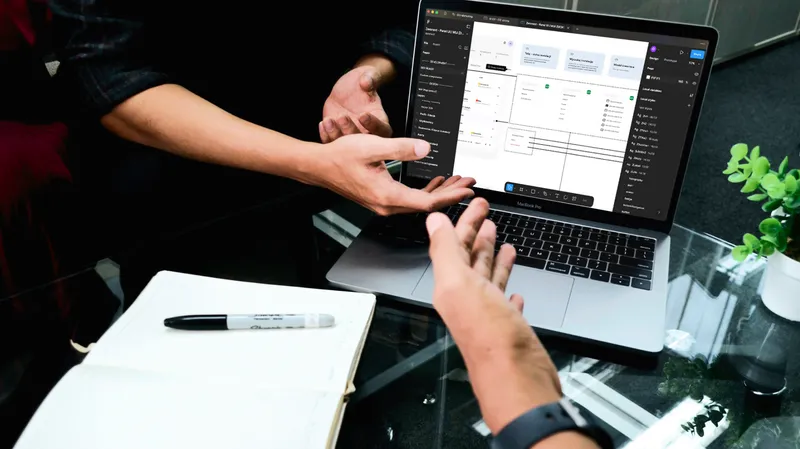
Every screen gets sketched and structured before a single pixel is styled: navigation, states, empty screens, error messages. Wireframes are cheap to throw away, so a flow that fails on paper never reaches a developer's sprint.
User Journeys & Personas
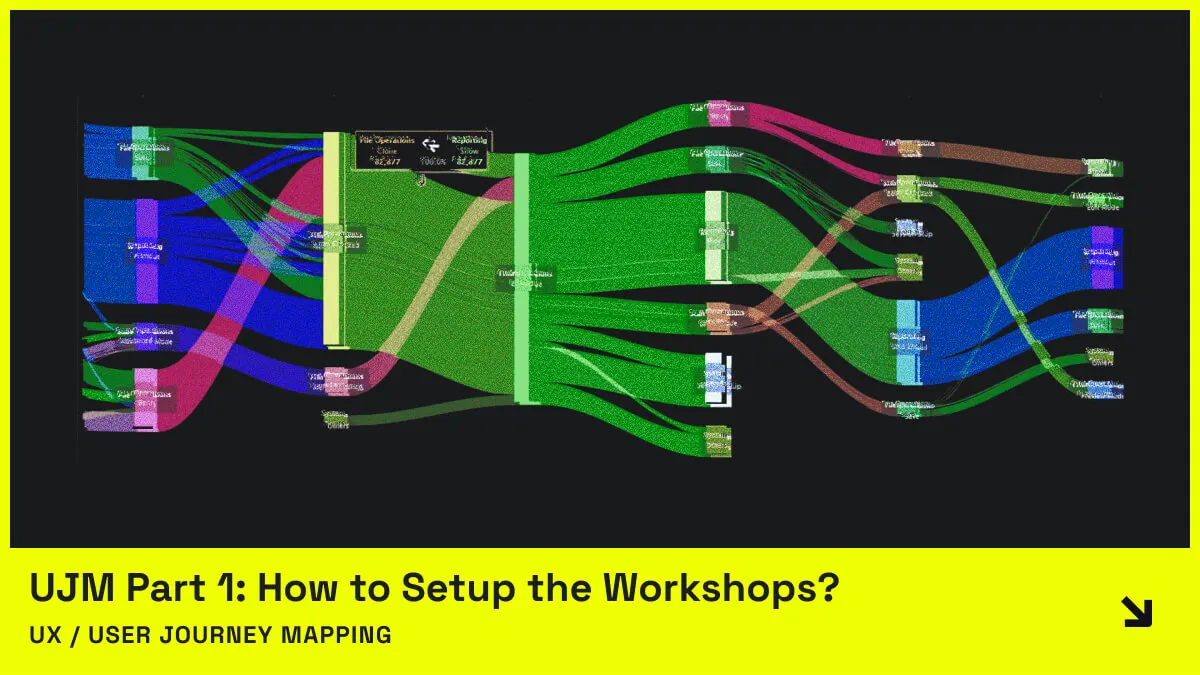
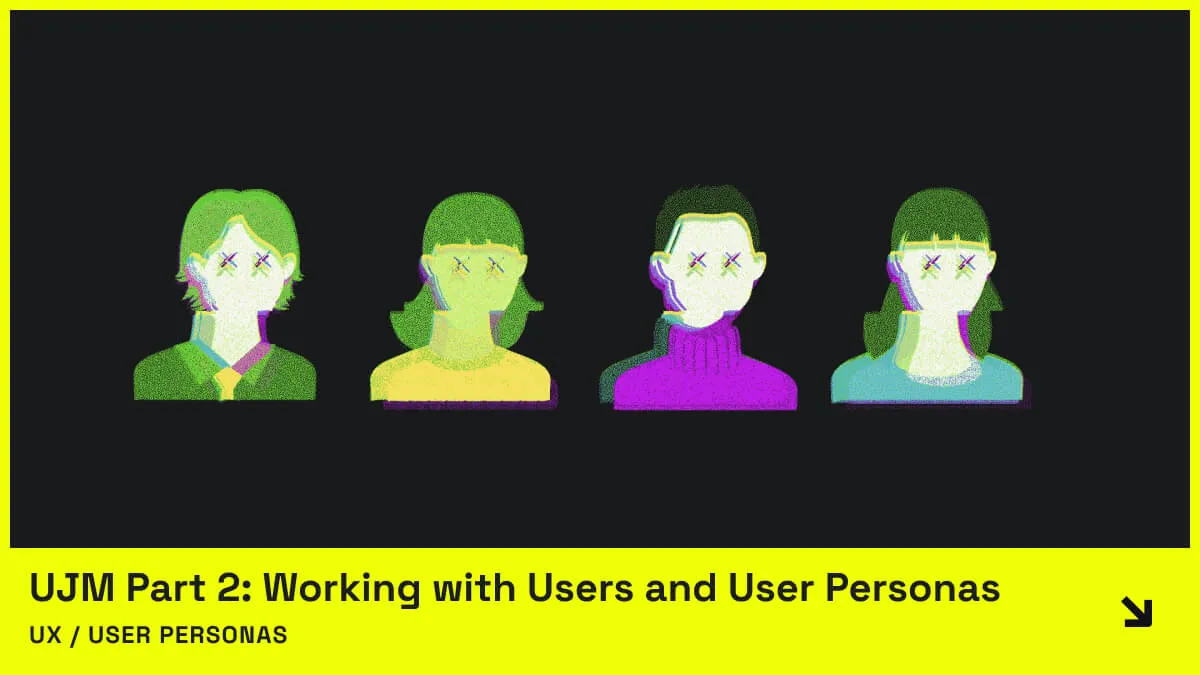
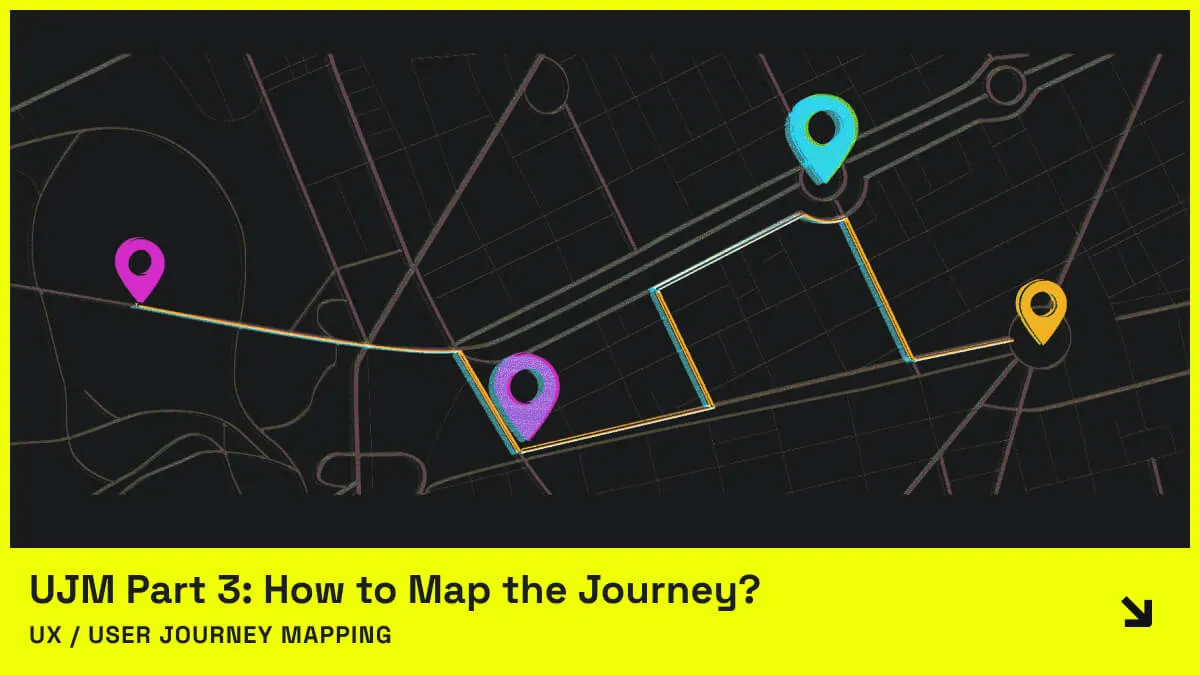
We map how a real user moves through a product end to end, not screen by screen, so the design accounts for the step before and after the one they're currently on. That full-path view catches a screen that looks fine on its own but breaks the journey around it, which a screen-by-screen review will not show.

Simon Souyris Strumse
Filmgrail CEO
Why Choose Us for UX Design
Senior Designers, Not a Rotating Roster
Process Before Pixels
Design That Has to Work for Everyone Who Buys It
UX Design, Answered
Get an estimate for the costs, timeline & the team composition needed for your project...
-
UX design is the structure and logic underneath a product - the research, information architecture, wireframes and flows that decide whether a task is easy to complete. UI design is the surface on top of that structure: color, typography, spacing and the visual language of every screen. A UX flow that is wrong will make a beautiful UI feel broken, which is why we always run UX work before UI design starts, not alongside it.
-
User research and interviews, information architecture, wireframes, clickable prototypes, usability testing, and a handover of the flows and decisions to whoever builds the product next - us or your own team. Each stage produces something you can review before we move to the next one.
-
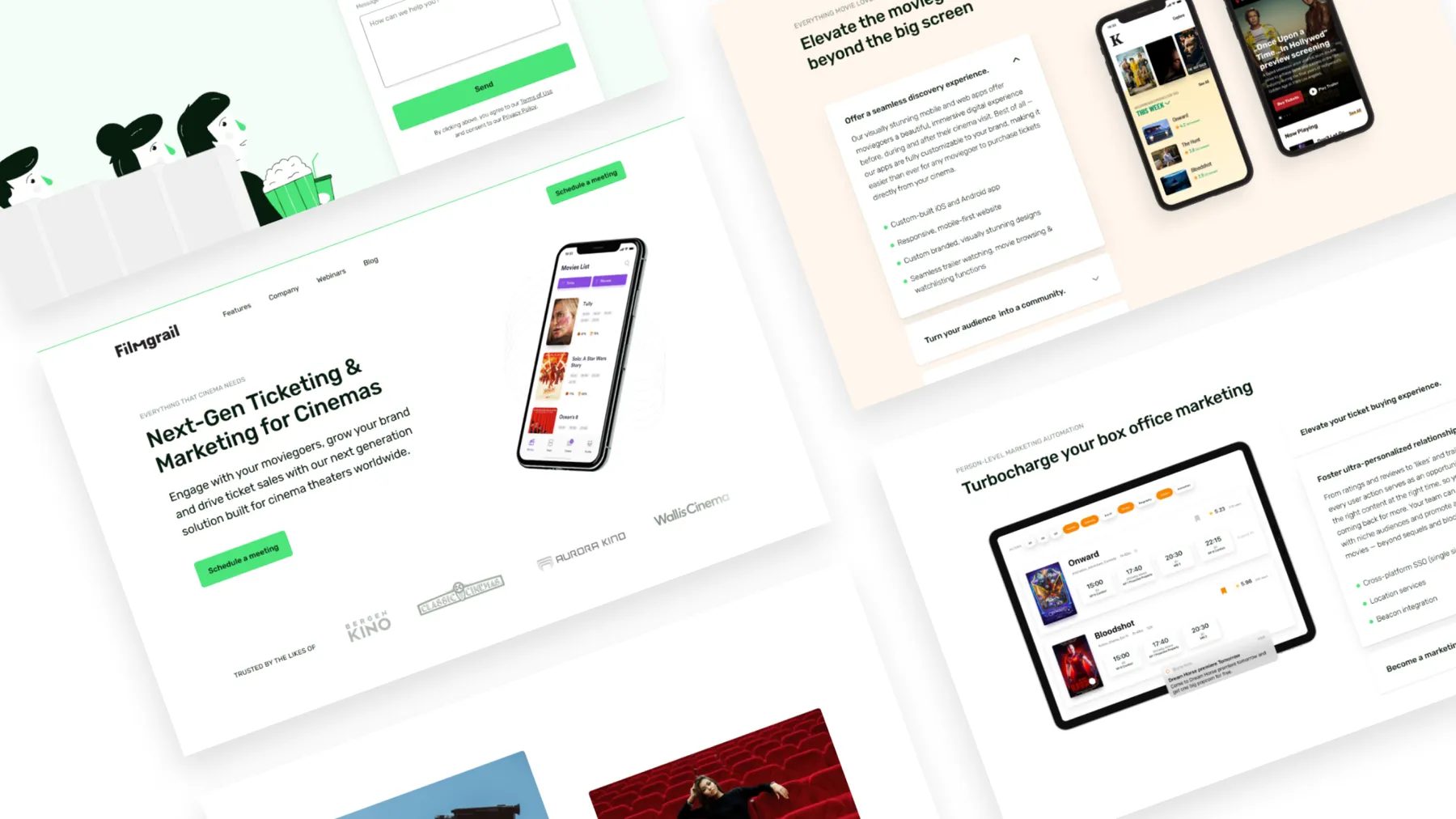
Most of our work is redesigning live products rather than starting from a blank page. We begin with a UX audit of the current product: where users get stuck, what the analytics already show, what support tickets complain about. Filmgrail came to us this way, needing a UX and visual overhaul of a live cinema platform its founders had already validated with paying customers.
-
The hardest constraint in white-label UX is that one interface has to feel native to very different customers of your own product. That was the brief on Filmgrail: a design system flexible enough to run under the branding of a large Norwegian cinema chain and a single independent cinema owner, on the same reusable codebase.
-
Interviews, usability testing on a working prototype or live product, and journey mapping to see the whole path a user takes rather than one screen at a time. Which method we pick depends on whether we are validating an idea or diagnosing why an existing flow is losing users.
-
It depends on scope, but the design phase does not stop once development starts - new screens keep needing UX decisions as a product grows, often for years after the original launch or rebrand.
-
Yes - a large part of our design portfolio is under NDA, which is why this page names fewer clients than we have worked with. Our default contract assigns all design files, prototypes and documentation to you.
-
Accessibility is part of the same usability testing and research work, not a separate pass tacked on at the end. Color contrast, keyboard navigation and a screen-reader-friendly structure get checked while a flow is still a wireframe, when fixing them costs nothing more than a redraw.
-
Both. With a founder we usually start from a research and discovery phase before any screen exists. With an in-house design team already in place, we plug into that team for the parts that need extra capacity - a usability testing round, a journey mapping workshop, or wireframes for a feature nobody has time to scope properly.
More on UX and Product Design
Further reading on how we approach design work
Discover what your product really needs
Your message goes to
Filip Szamborski
Board Member

Your message goes to

Karol Oponowicz
Board Member
Your message goes to

Paweł Zieliński
Board Member
SO FAR WE HAVE WORKED WITH BRANDS LIKE:





Thank you for your message.
We read every message ourselves and get back to you within 48 hrs on business days.
Something urgent? [email protected]