Web application development services
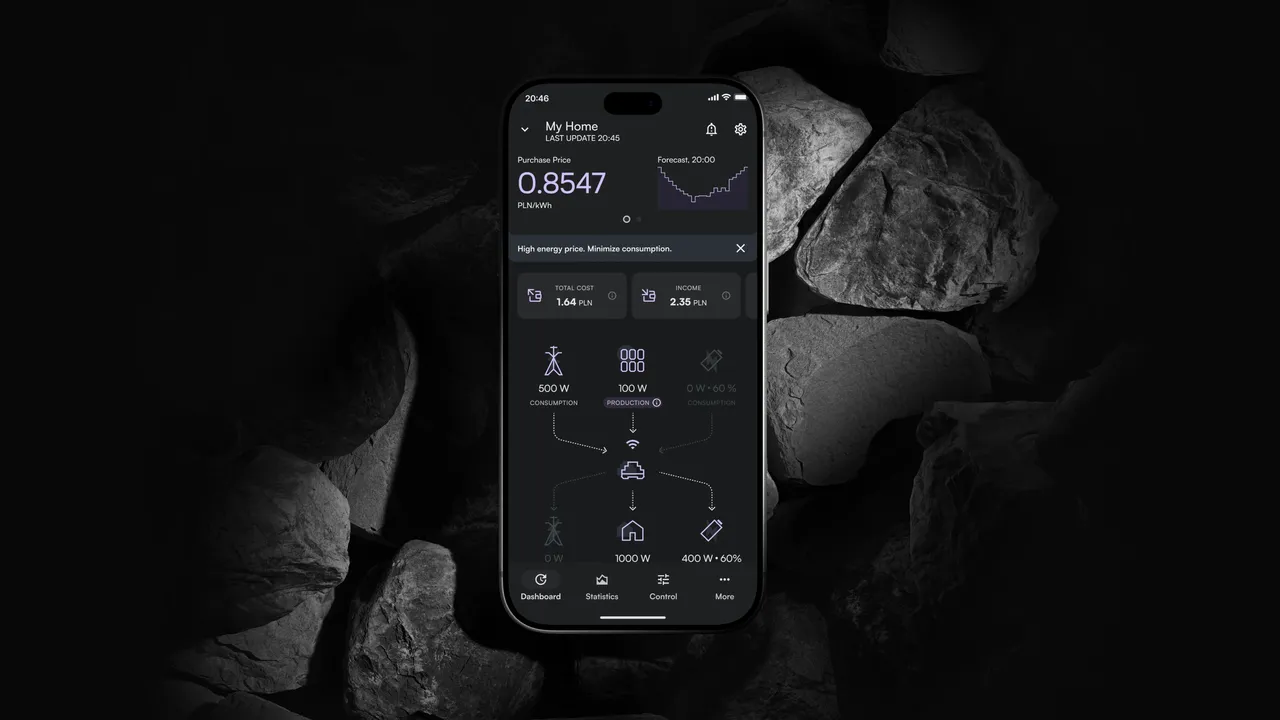
Our web application development services cover design, a React or Next.js front end, a Python and Django backend, QA and support after launch. We have worked on the Zeronest platform since January 2024 and logged 11,220 hours of engineering work so far.

Benefits of custom web app development
A decision made every minute
Three modes, one codebase
400 screens, 21 landing pages
MQTT, TLS 1.2, EU data residency
Successful projects
Digital Transformation Lead
Digital Transformation Lead, B2B furniture manufacturer
“We have very complicated and demanding projects, and Order Group has exceeded all of our expectations.”
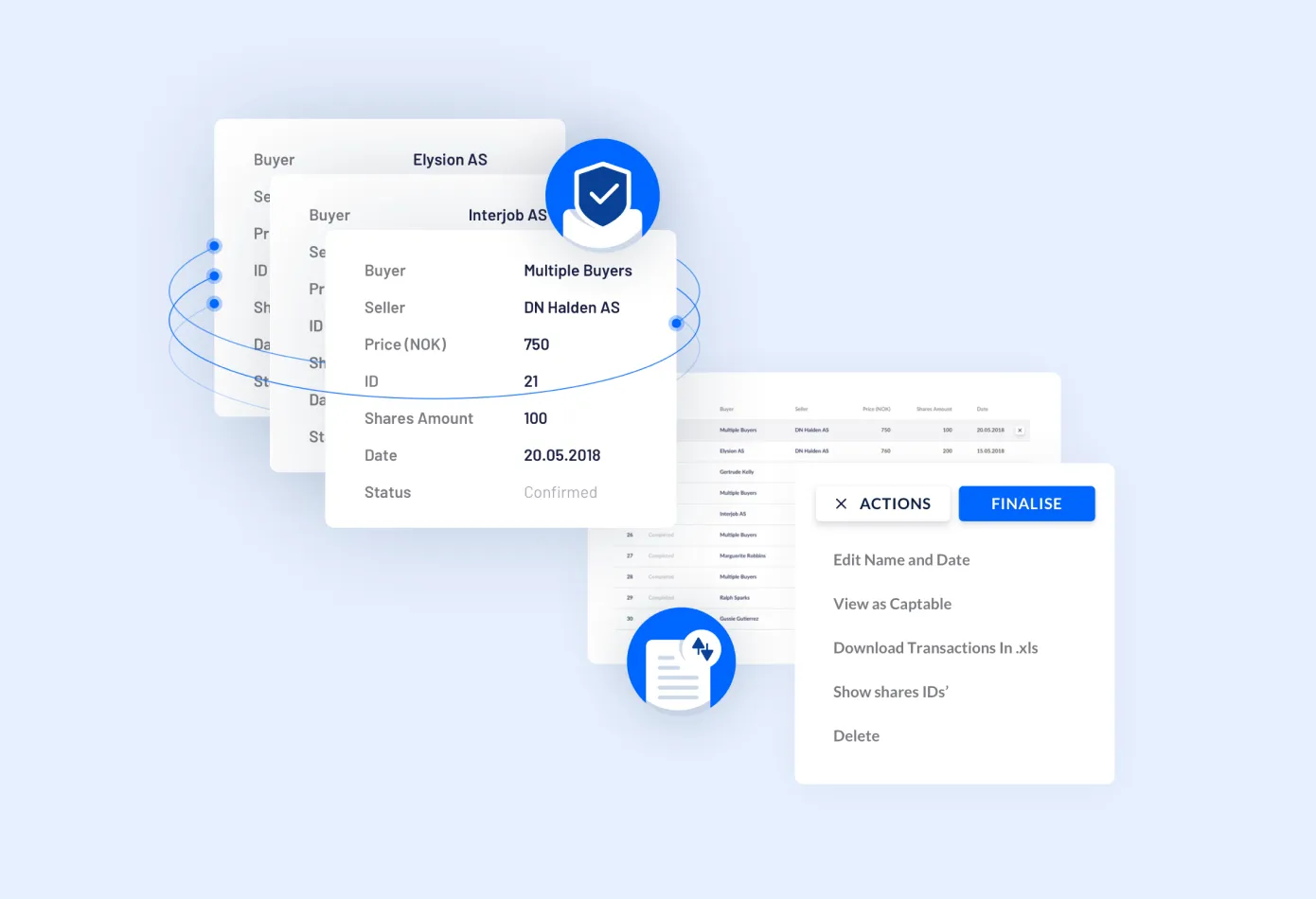
Zeronest and Monetor: two web platforms we built
More proof we build web applications that last
-
-
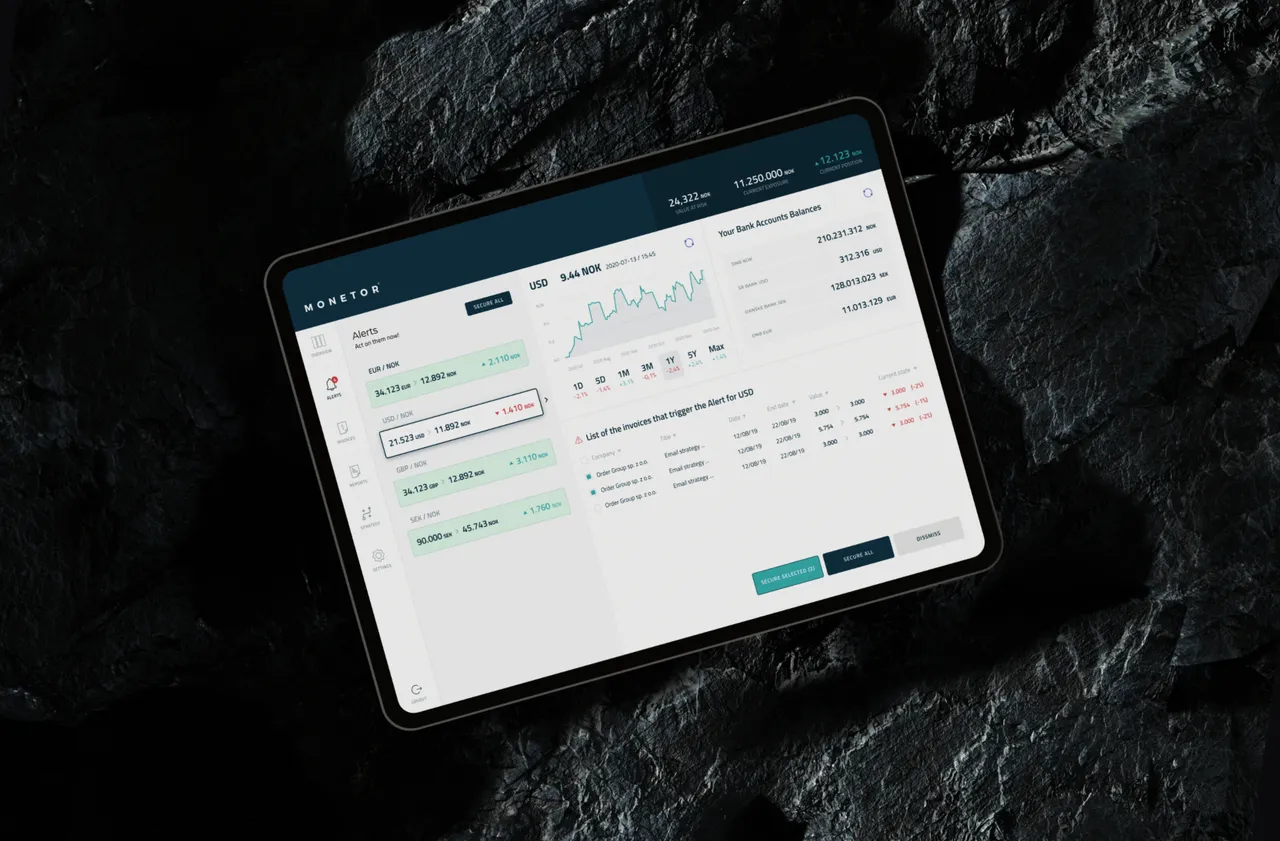
Monetor - A Web Application for Analysing Business FX Risk
The team is doing a tremendously good job and they are evolving with us throughout the process.

Describe your idea & get a quote in 48h!
Get an estimate for the costs, timeline & the team composition needed for your project...

React development company: what we build with React and Next.js
Order Group builds React and Next.js front ends together with the backend behind them, as part of our custom software development work. Four platforms from our case studies:
- Zeronest: the web management platform runs on Next.js, MUI and Redux Toolkit, the two mobile apps on React Native, and the backend on Django REST Framework, deployed to AWS.
- Enerace: a web app in React with TypeScript and Redux Toolkit on a Django GraphQL API. One team builds the web app and the React Native app, and the front end moved to TypeScript in 2023.
- Skyfri: a React front end on a Python asyncio backend, with a Databricks data pipeline, hosted on Azure.
- KYOTO: the interface of a SCADA-based system for thermal energy storage, built in React.
Why build with us?
The same team, the same process, project after project.

We stay on the platform after launch
The same team has kept building the Zeronest platform since January 2024 and has logged 11,220 hours of engineering work so far. We count a platform as "done" only while it is still maintained, so there has been no handover, no re-onboarding and no lost context between releases.
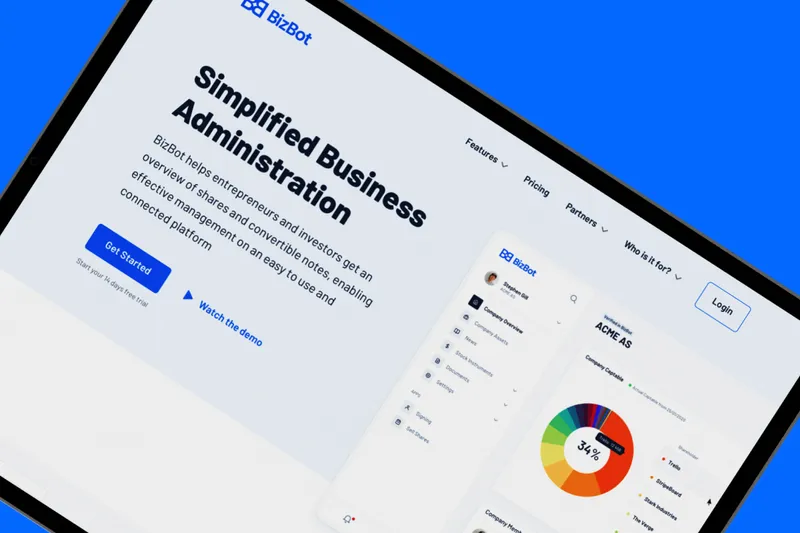
Design and build for BizBot and Zeronest
For BizBot we designed 400 screens and 21 landing pages. After that work, BizBot raised a 6.4M NOK funding round and won a place in the Copenhagen FinTech accelerator. For Zeronest we built a platform that covers 16 inverter brands and, as of April 2026, more than 3,000 prosumer storage installations.

We work in short sprints, visible to you
Every sprint on the Zeronest platform has followed the same Scrum rhythm since 2024: one- or two-week sprints, a visible backlog, a demo you can sit in on. That rhythm has held for more than two years and 11,220 hours of logged work.
Related articles

FAQ for founders
What all Founders and Product Owners think they know but are scared to ask...
-
Depending on the type of application, we build with Next.js, React, Python, Django and Node.js, adjusted to your business goals. The Zeronest platform we build runs on Next.js on the web and Django on the backend, deployed to AWS.
-
The project's requirements determine the makeup of each team: a Project Manager, UX/UI Designer, QA Tester, and Front-end and Back-end developers. On the Zeronest platform, the same team has stayed on the project since January 2024.
-
Our process is well documented and outlines every step we take, from brief workshops to releasing the product. We divide the project into smaller sprints and break high-level sections into tasks that act as a roadmap. We used this same process to take Zeronest from a basic monitoring dashboard to a platform now covering 16 inverter brands.
-
We work in one- or two-week Scrum sprints and keep every process and change transparent. That rhythm has run continuously on the Zeronest platform since January 2024, with a demo at the end of each sprint.
-
Yes - for platforms that keep evolving, that is our default model. Zeronest, which debuted at Intersolar Europe in June 2024, is still in active development. On top of the original monitoring app, the same team added a demand-side response module, which lets users sell stored power back to the grid, and, in 2026, subscription billing.
-
The scope depends on the features of the first release, the systems the app has to integrate with and how long it will be developed after launch. Typical engagements run from three months to over a year. Basic discovery is free, and after it we estimate the cost, timeline and team. To start, please contact us.

Discover what your product really needs
Your message goes to
Filip Szamborski
Co-founder & CEO

Your message goes to
Karol Oponowicz
Co-founder & Business Owner
Your message goes to
Paweł Zieliński
Co-founder & Business Owner
SO FAR WE HAVE WORKED WITH BRANDS LIKE:





Thank you for your message.
We read every message ourselves and get back to you within 48 hrs on business days.
Something urgent? hello@ordergroup.co