Nearshore software development company in Poland
Order Group is a software house from Warsaw that works as a nearshore partner, either as a dedicated team or inside your own team. At Skyfri, our engineers work inside Skyfri's EMS team, alongside the team in Oslo.

Nearshore vs offshore vs onshore: what is the difference?
Nearshore software development means hiring a team in a nearby country that works in a similar time zone. Software outsourcing is usually described by distance:
- Nearshore: a team close by, so you share a working day.
- Offshore: a team far away, with a large time difference.
- Onshore: a team in your own country.
We are a nearshore partner. Poland lies in the CET/CEST zone used across Central Europe, and it is a member of the EU.
Dedicated development team, team extension or a full project
Pick the model by how much of the delivery you want to run yourself.
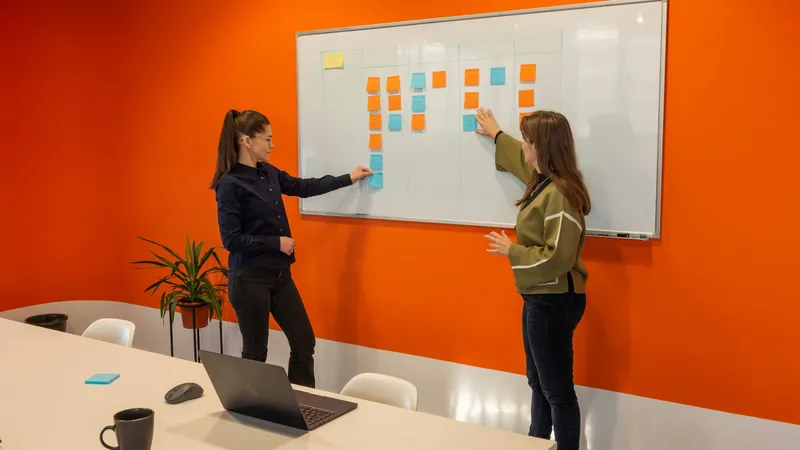
Dedicated software development team
Choose it when you want to hire dedicated developers for a product that keeps evolving. The same core of people works on it for the long term, in your tools and your Scrum process. You can take the Product Owner role yourself.
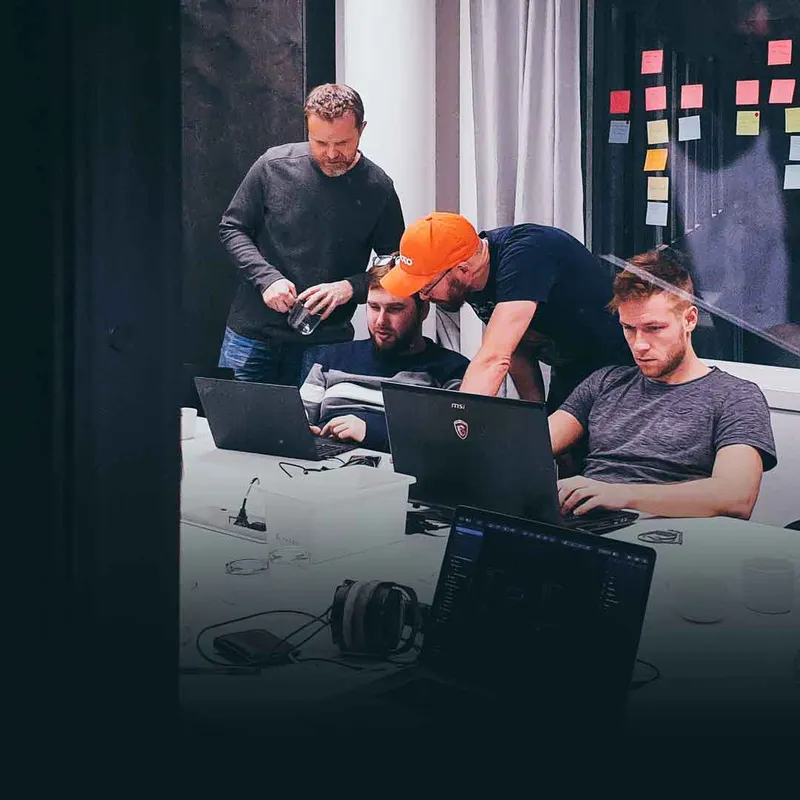
Team extension
Our engineers join your team and work next to your own people. The model is also called staff augmentation. At Skyfri in Oslo our team is assigned to the EMS team, one of four client teams. One person can move to another client team for a single sprint.

Project end to end
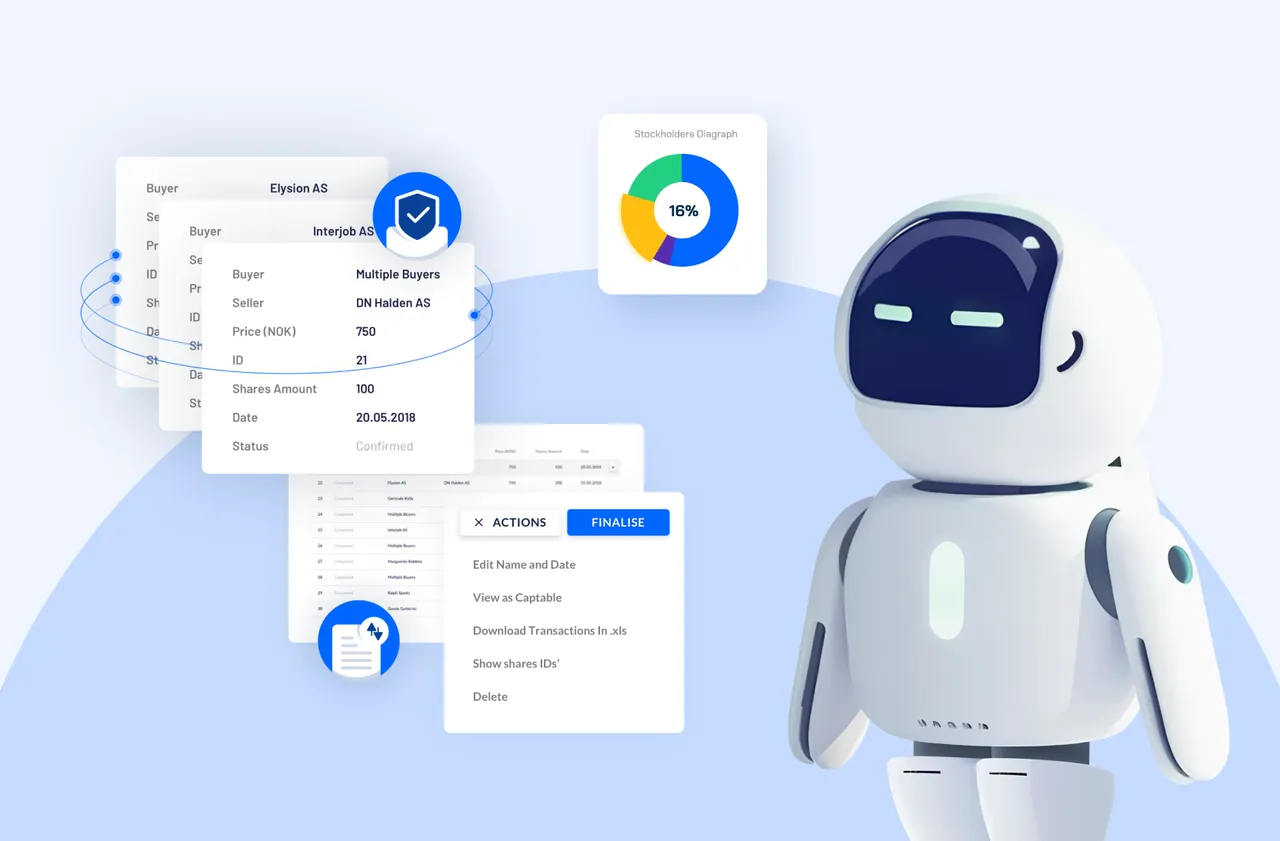
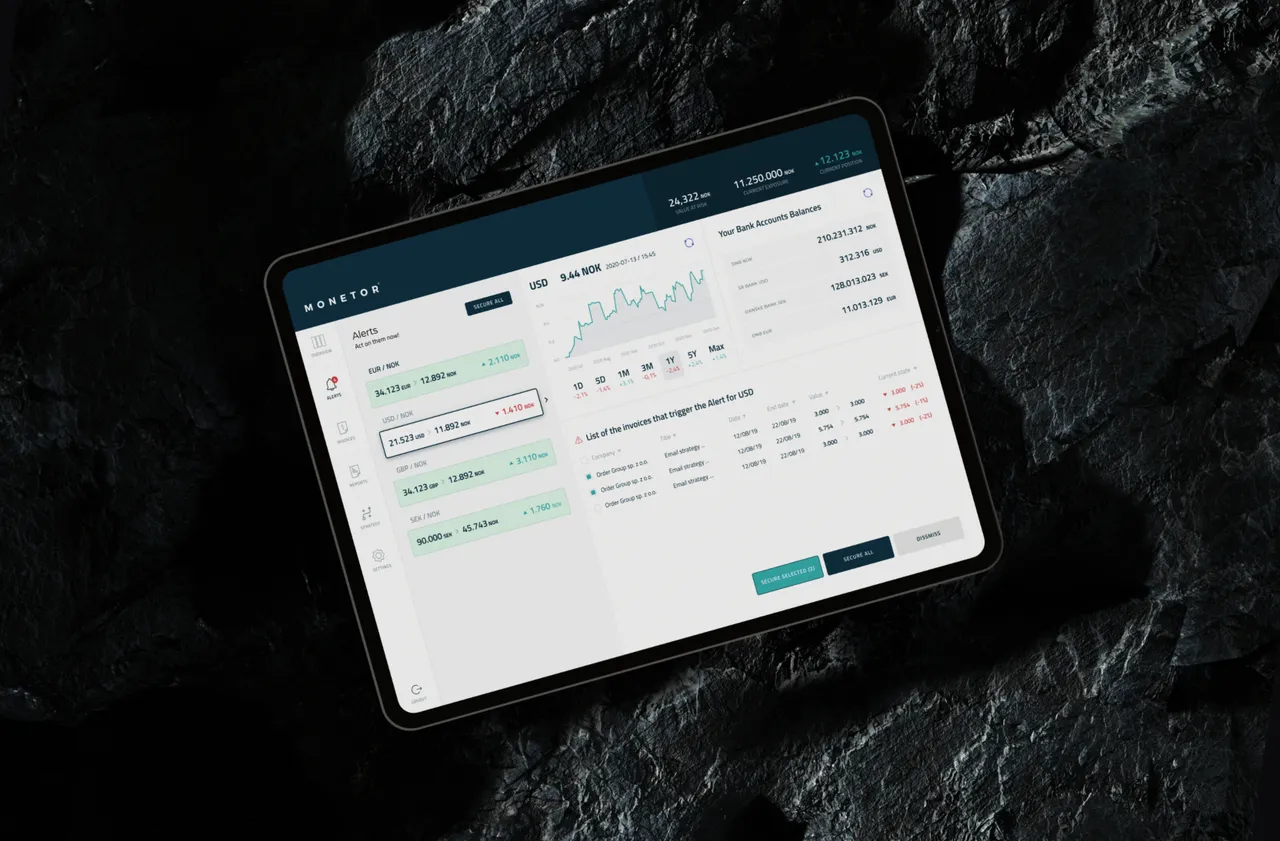
We build the whole project with our own team, and you follow progress through sprint demos. Monetor in Stavanger is an example: a web application built in Scrum with Python and Django, plus Java, on AWS. End users stayed in regular contact with the team throughout development.
Nearshore software development for the UK, DACH and Scandinavia
For a team in the UK, Poland is one hour ahead. For teams in Germany, Austria, Switzerland and Scandinavia there is no time difference. In both cases stand-ups, demos and planning fit into the same hours, and the whole working day overlaps with your team.
For all of them the legal frame is the same: a data processing agreement (DPA) for each project, based on Article 28(3) GDPR.
EU data, GDPR and code ownership
Your data stays in the EU
Inspections and the end of the contract

You own the code



How we keep access under control
Named accounts
Approved requests
Separate environments
Nearshore work in practice: Skyfri, Kyoto Group, BizBot and Monetor
In Norway we work with Skyfri, Kyoto Group, BizBot and Monetor. At Skyfri in Oslo, the energy management system (EMS) steers 7 plants with more than 5 MWh of storage and more than 4 MW of battery power. Our collaboration began with a seven-week technical audit, from 20 November 2023 to 7 January 2024. Since January 2024 the EMS team has included our engineers, and the EMS went into production in June 2024. The same core of our people, including the engineers who shipped the EMS, has kept working with Skyfri's team ever since. After the audit Skyfri decided to build a new IoT layer for the EMS on Azure IoT Hub and Edge, and our team delivers it. The work is organised in four parallel streams on one team: EMS, Monitoring and Asset Management, Data and Onboarding, and Industrial Design.
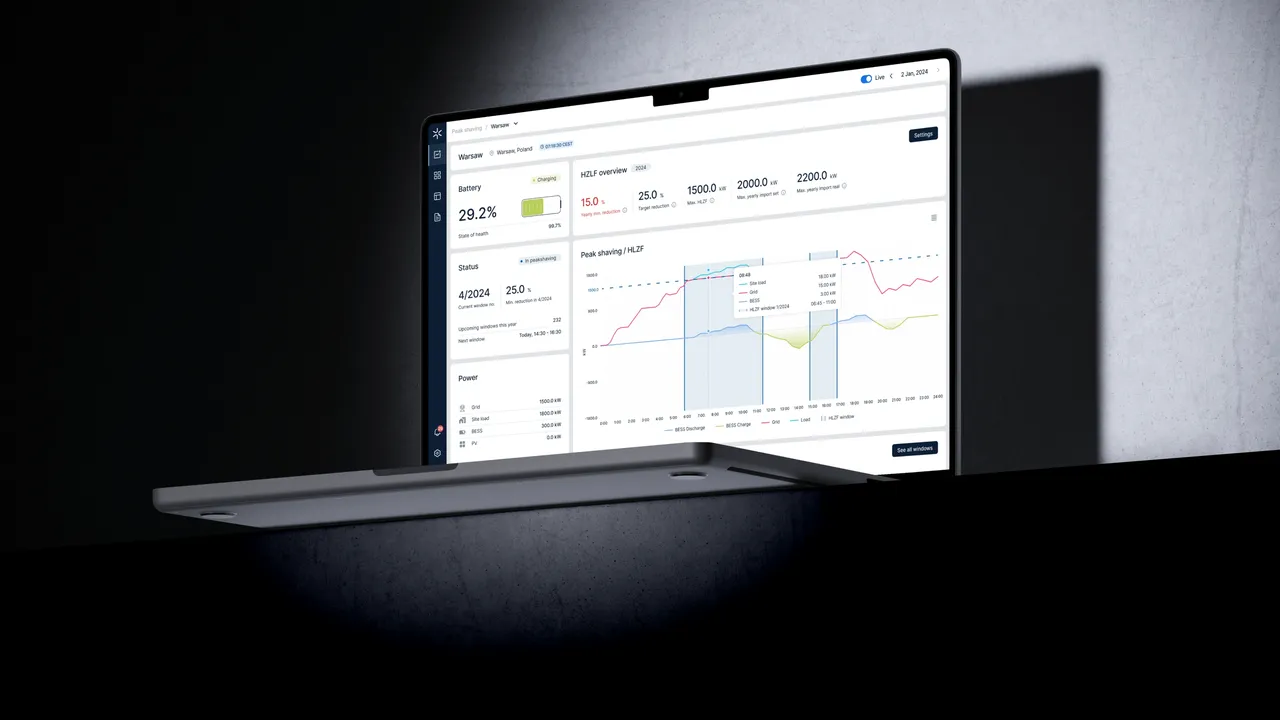
Kyoto Group's project ran for three and a half years in total. In the first stage our team built the MVP of the product. We worked together again in 2024, and from January to December 2024 we developed the product in Scrum. The MVP grew into a battery management system based on SCADA (supervisory control and data acquisition). The system monitors and controls the flow of energy in real time. It also collects weather data and has an interface for simulating plant performance. The team worked side by side with experts in thermal storage, hardware and energy markets. It also worked regularly on site in Oslo to connect the hardware to the software.
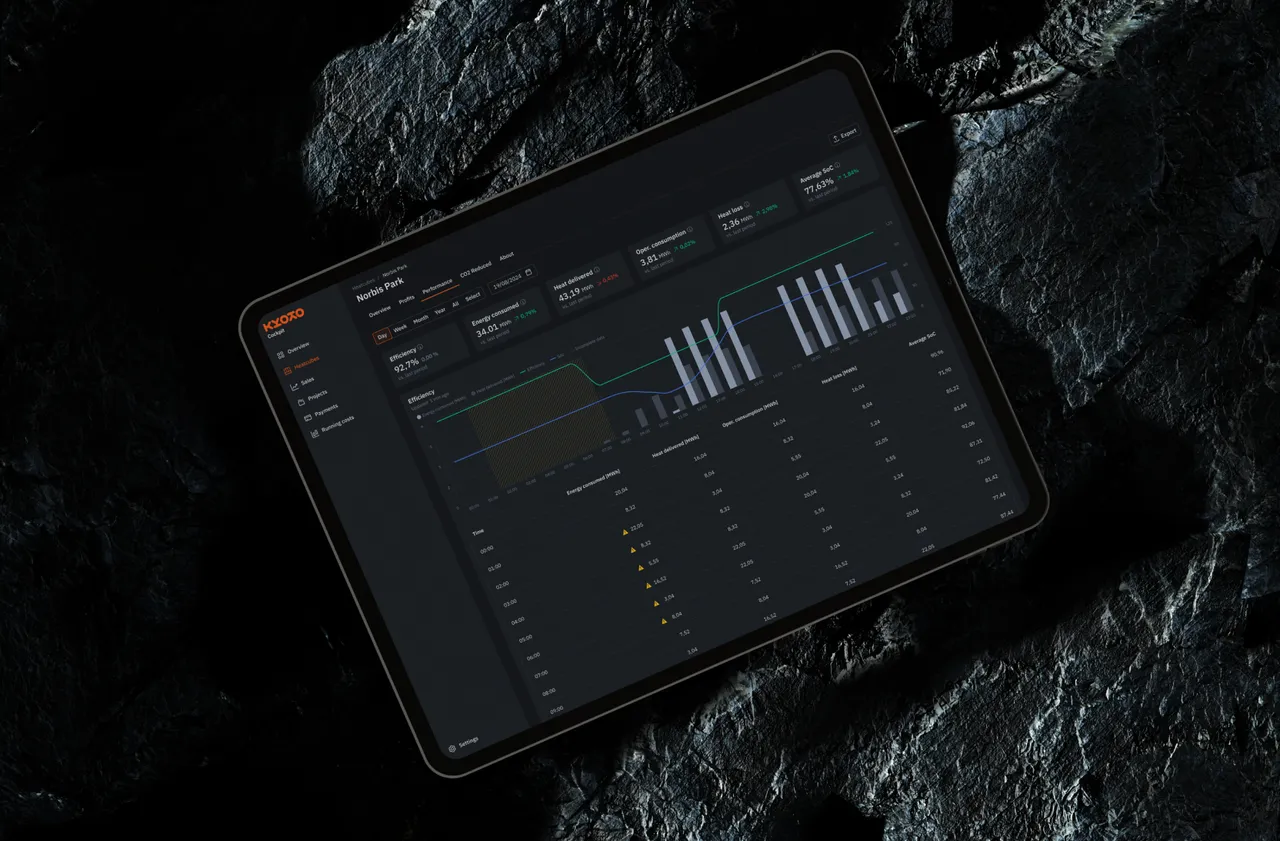
For BizBot in Oslo we gave the platform a new UX and UI, 400 screens in total.
Henric Jonsson, Head of Business Development at Monetor, said of our end-to-end project in Stavanger: "The team is doing a tremendously good job and they are evolving with us throughout the process."
Case studies from Norway
-
-
KYOTO - Industrial IoT & Digital Twin for Thermal Energy Storage
Order Group is supportive and flexible, delivering high-quality results.
-
BizBot - There's No Successful App Without Solid UX
Order Group invests time to define the scope and ask clarifying questions. Their channels of communication lead to smooth remote project management.
-
Monetor - A Web Application for Analysing Business FX Risk
The team is doing a tremendously good job and they are evolving with us throughout the process.




How long dedicated teams last
A dedicated team can stay with one product for years. Ticket Club has developed the same service with us since April 2017, and the work continues in 2026. Since April 2022 our team has also worked on an IoT inspection platform for a client who stays anonymous. Since July 2022 we have worked for Mudita, which makes phones with an e-ink screen.
Our client Enerace develops Enerace.Online with us: one permanent team has built it in Scrum since 2020, from workshops and estimates through delivery and testing on staging to release and maintenance. Workshops return whenever a new module starts: the architecture in 2021, invoice import in 2024, and new views and PowerShift in 2025.
Our client Zeronest has worked with the same team since the start, and by the end of its first two years the team had put 11,220 hours into the platform. The platform consists of three connected applications: a mobile app for the prosumer, a mobile app for the installer and a web platform.
How we start: from the first call to the first sprint
Free discovery call
Kick-off and data register
Access
Business onboarding
Technical onboarding
In person, then feedback
Who runs the team day to day, and what happens when someone changes
A Project Manager on our side is either the Product Owner or the Scrum Master, never both in one project. If you have your own Product Owner, the Project Manager makes sure that role works and, when needed, helps you shape it. The Project Manager keeps the plan and the priorities and handles communication, and also watches the scope and blocks changes that nobody has accepted. Each project has its own Slack channel and rules for communication with you. Meetings have an agenda and a fixed time limit. Regular project retrospectives run in addition to the Scrum events.
Technical leadership sits with the Project Tech Leader, the person with the most technical knowledge in the project, appointed by our CTO together with the heads of the frontend and backend teams. The Tech Leader sets the code standards, runs the code review process, verifies the estimates and identifies technical risks. Architecture, technical requirements and standards, code review, estimates, risks and documentation belong to the Tech Leader and the CTO together. The Business Owner represents our company in the project, and risks are escalated to the Business Owner or the Head of Delivery.
When someone changes in the team, we follow the onboarding process at no extra charge to you. The new person goes through the same business and technical onboarding, and when the Project Manager changes, the project is handed over according to the process. With every change in the team we also update the register of who has access to your data. The anonymous IoT inspection platform and Enerace recorded this in their July 2026 retrospectives: small changes in the team kept the knowledge continuous, and the handover worked well when the team grew.
How our engineers work inside your team
Your tools
Scrum and sprints
Reports
From sprint to production, and after the launch
Our process has four stages: discovery workshops, sprints with a working demo, testing and QA before release, and support after launch. Every project includes demos, daily stand-ups, peer review, code review and project management tools. Tasks are written as user stories with story points, and each task has a named person responsible.
- Every sprint ends with a release and a demonstration of the working part of the product on a test environment.
- Testing and QA come before every release. At Centrum Komunikacji QA checks every change requested by the client's staff before it is closed. At Enerace every change to the calculation engine is tested and compared with production results before release.
- Staging runs on an anonymised copy of production data.
- Zeronest's backend has unit tests and is monitored in Sentry, and GitHub Actions deploys it.
- Before the first production deploy there is a stabilization stage, and the first version goes live after positive feedback from the first users.
New backends start from our own Django project template. Centrum Komunikacji began from a repository created with it, with a React and React Native (Expo) monorepo and CI/CD set up in July and August 2025. We use the Enerace repositories as the reference frontend and backend project in our internal standards.
Support continues in the sprint rhythm of the build. Every maintenance sprint starts with a short review of what changed in production and closes with a short written report. We upgrade running systems in stages, with the development environment first and production after it. Zeronest, for example, stayed live through three updates: the Android target API in August 2025, React Native from April to July 2026 and Django from July to September 2026.
What the teams run
- Skyfri EMS: React frontend, Python asyncIO backend, Databricks data pipeline, Azure IoT Edge and Azure IoT Hub, hosted on Azure.
- Kyoto Group: React.js and Python on AWS, with Terragrunt and Jenkins for the infrastructure.
- Enerace: Python and Django with a GraphQL API and Celery, React with TypeScript and Redux Toolkit, React Native, AWS (ElastiCache, autoscaling) and Mailgun. Market-data imports have automatic retries and import time limits, health checks watch the Celery queues, and alerts report missing data. The product has gone through four major stack modernisations, in 2022, 2023, 2025 and 2026, without a rewrite.
- Enerace PowerShift: plans the work schedule of machines so that the total cost of energy, distribution and the capacity fee is as low as possible, and has an operator screen for the production hall. Work on it started in December 2025, and by the end of June 2026 the operator screen and the new distribution calculation were running.
- Mudita: Java and Kotlin plus Python, at the level of the Android Open Source Project (AOSP). We built Mudita's own app store, the Developer Portal and the over-the-air update platform for the Mudita Kompakt phone.
- Zeronest: Next.js, MUI and Redux Toolkit on the web, React Native on mobile, Python and Django with DRF and Celery, AWS (ECS, RDS, S3, Lambda, Cognito, SNS).
How to choose a nearshore partner, and why teams build with us
When you compare nearshore partners, check five things: a working day that overlaps with yours, data that stays in the EU, a data processing agreement for each project, code that passes to you, and engineers who work in your tools and your Scrum process.
Order Group is a software house from Warsaw, run by five co-founders, including our CTO. Across the company we have delivered 50+ AWS engagements, and clients rate us 5.0 on Clutch from 18 verified reviews. Skyfri, Ticket Club and Enerace are examples of teams that stayed with us. We also build custom software, mobile apps and cloud platforms.
Related articles



Nearshore software development: frequently asked questions

-
It is a company that builds software for clients in nearby countries and works in a similar time zone. Order Group is one: we work from Warsaw, in the EU, in the same time zone as DACH and Scandinavia and one hour ahead of the UK.
-
A dedicated team is a long-term team with the same core of people. In team extension, also called staff augmentation, our engineers work inside your team, in your tools and your Scrum process. The third model is a project end to end, where we build the whole scope with our own team. We agree the model with you before the start.
-
We start with an NDA and a free discovery meeting, where we agree the scope and give you an estimate. Then we agree the model, hold a kick-off and onboard the engineer, who joins your first sprint.
-
You do, and you receive the source code. The working repository stays in our controlled environment, where only the people on your project have access.
-
We are the processor and you are the controller, and each project has its own data processing agreement (DPA). We tell you about an incident within 24 hours. Disks are encrypted, and we review our procedures every 12 months. Our error tracking removes sensitive values, such as card numbers and credentials, from logs by default. Your data does not go to private email accounts or messengers without approval.
-
Their accounts are removed without delay, and access to project infrastructure is reviewed periodically. The new person goes through the same onboarding at no extra charge to you. At Skyfri developers joined in July and December 2024 while the core of our engineers stayed on the project.
-
A Project Manager runs the plan and the communication, and a Project Tech Leader answers for the technical side and quality. At Skyfri our side provides the Scrum Master and the Project Tech Leader, and Skyfri provides the Product Owner.
-
Yes. We work in your tools, such as Slack, Jira or MS Teams, and in your Scrum process.
-
We run User Journey Mapping workshops in Miro, FigJam and Figma, and mockups and interactive prototypes are usually built in Figma. We have run them for clients from Istanbul, London, Oslo and Warsaw, for startups with new products and for corporations with established systems. An opening workshop follows four points: introductions between the teams, integration and technical questions, confirmation of the scope and the priorities of the modules, and next steps with a schedule. For Centrum Komunikacji, workshops and tests with Deaf and blind users from September 2025 to January 2026 produced a package of around 30 UX and UI changes.
-
Yes, we take over systems that other teams built. We start with access and onboarding, then an audit or a conversation about technology choices, then shared priorities and small steps.
-
Poland is in the CET/CEST time zone, so our engineers work in your hours. It is also in the EU, so your data stays in the European Economic Area. The whole team works in English, and we require very good spoken and written English from every Project Manager.
-
Five co-founders started Order Group in Warsaw in 2013, and all of them still work in the company. The office is at Chmielna 25, 00-021 Warsaw.
Book a free discovery call
Write through the contact form and get an answer within 48 hours on working days.

Discover what your product really needs
Your message goes to
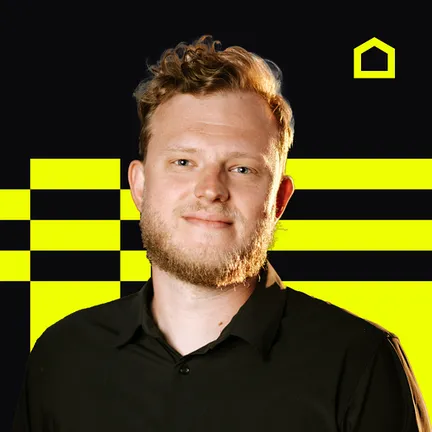
Filip Szamborski
Co-founder & CEO

Your message goes to
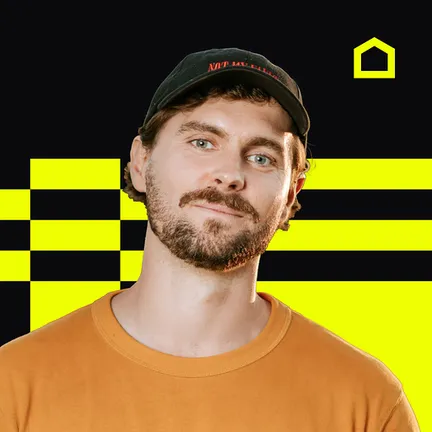
Karol Oponowicz
Co-founder & Business Owner
Your message goes to
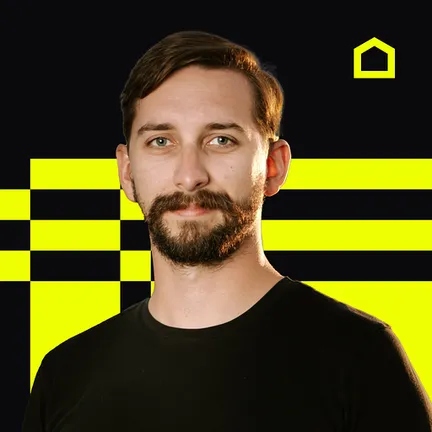
Paweł Zieliński
Co-founder & Business Owner
SO FAR WE HAVE WORKED WITH BRANDS LIKE:





Thank you for your message.
We read every message ourselves and get back to you within 48 hrs on business days.
Something urgent? hello@ordergroup.co