Custom software development services

When a ready-made tool forces you to bend your process or cannot talk to your hardware, custom software development services are the way out. Since 2013 Order Group has shipped 160+ projects, from a free discovery workshop to production.

KYOTO
  • Projects

    160+

    Custom software projects delivered since 2013, from first workshop to production

  • Industries

    15+

    Industries served, among them energy, fintech, aviation and the public sector

  • Users

    40,000+

    Users of the apps we have built, from consumer apps to industrial platforms

  • Clutch

    5.0

    Average rating from verified client reviews

When custom software becomes a competitive advantage

The constraints of your business shape the software

Custom software pays for itself when the alternative cannot do the job: a file format it cannot parse, a compliance rule it was not built for, hardware it does not recognize. Then the constraints your business runs on shape the software, and the process that sets you apart stays yours instead of being reduced to a vendor's settings. We take projects for that reason. A problem that installing a product and adjusting a few options would solve does not need a custom build.

Off-the-shelf product, configured platform or custom software solution

Three options compared by situation
SituationOff-the-shelf productConfigured platformCustom software
Fit to your processYou adapt the process to the productThe platform bends within its own modelThe software follows your process, including the exceptions your team handles by hand today
Hardware and special formatsWorks with the devices and formats the vendor supportsWorks through the connectors the platform offersBuilt against your devices, protocols and file formats from the first sprint
Existing systemsStandard integrations, as far as the vendor provides themIntegrations built with the platform's tools and within its limitsIntegrations designed into the architecture, including systems with no public interface
Compliance and data locationSet by the vendorSet by the platform provider, with options you configureSet by your requirements: hosting region, access rules, audit trail and how long you retain data
Ownership of the codeThe vendor owns it and licenses it to youThe platform owns the engine, you own the configurationYou own the code and the copyright
Change over timeFollows the vendor's roadmapFollows the platform's roadmapFollows yours, release by release, in two-week sprints
Who maintains itThe vendor's support desk, on the vendor's termsThe platform provider and its partnersThe team that built it, from bought SLA hours to a full maintenance agreement
If you change your mindSwitching means migrating to another productSwitching means rebuilding on another platformAny team can continue the work, because the code is yours
Time to first releaseFastest start: install and set upWeeks of configurationAbout 3 months for a working MVP, 7 months or more for a full product

Custom software development services by industry

Four fields where the constraints are hard and ready-made tools run out first.

Four systems, one approach

Custom software solutions in production

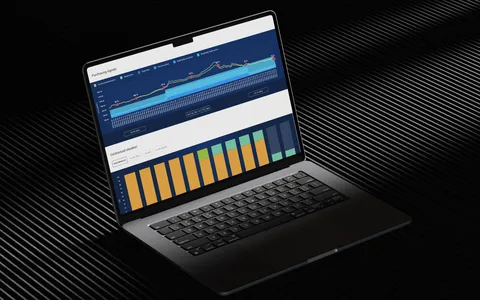
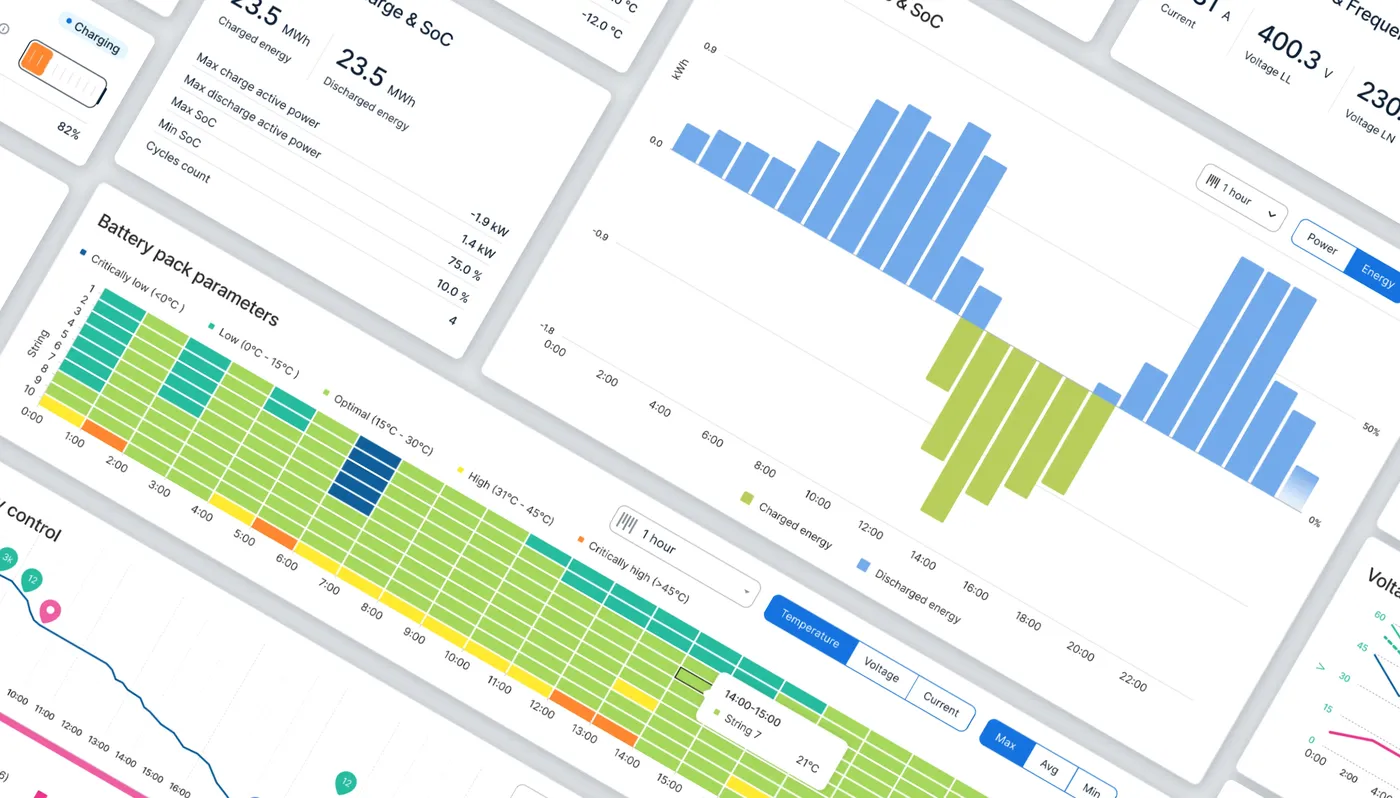
BESS monitoring dashboard with energy, temperature and battery charts.

Energy management

Skyfri: battery control that runs offline

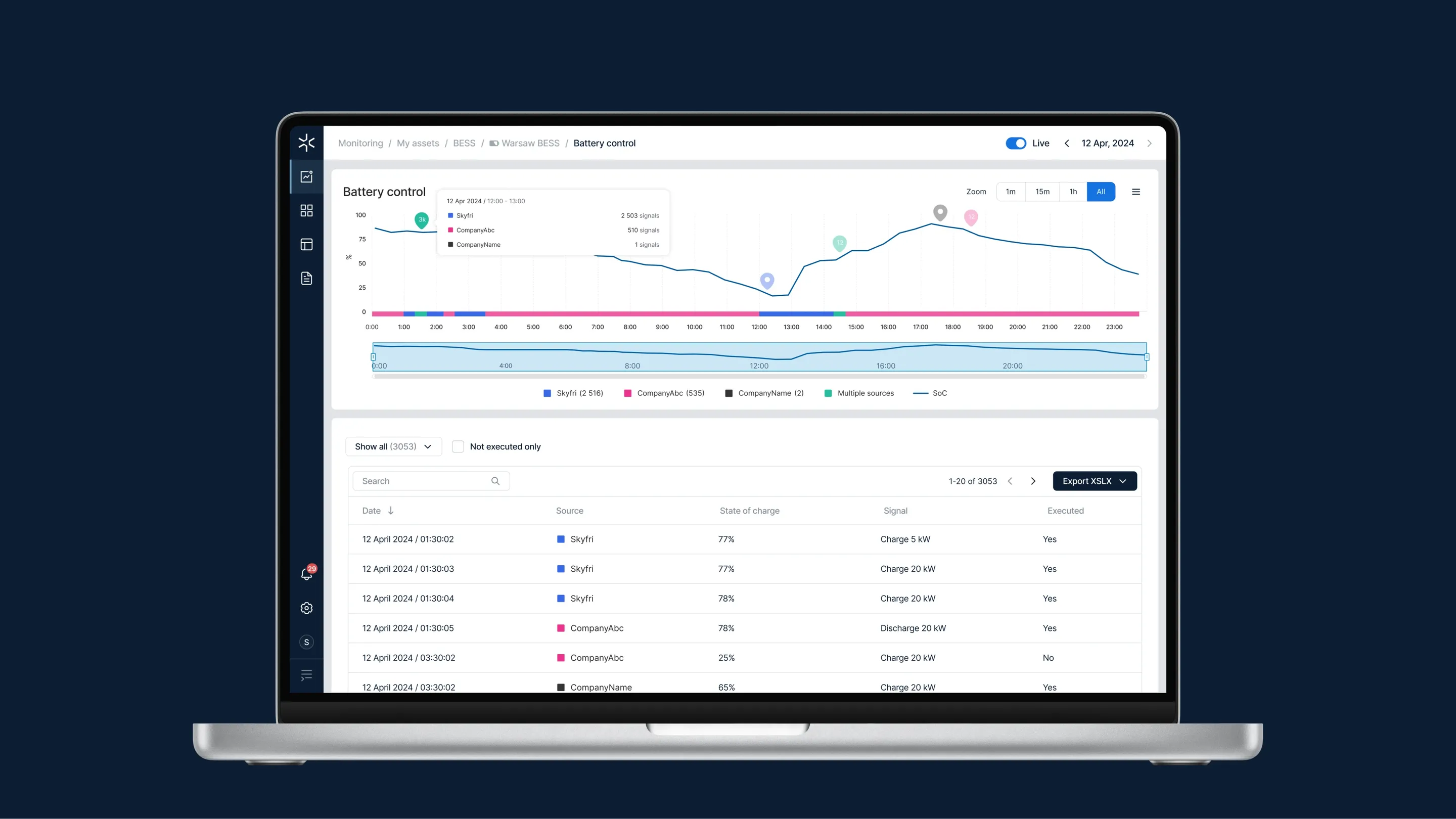
The energy management system we built for Skyfri decided when batteries charged and discharged, ran peak shaving and energy trading, and answered requests from the distribution system operator. It ran fully offline on Azure IoT Edge, so a lost connection did not stop control. It went into production in June 2024 and controlled more than 5 MWh of storage across 7 plants.
Skyfri case study
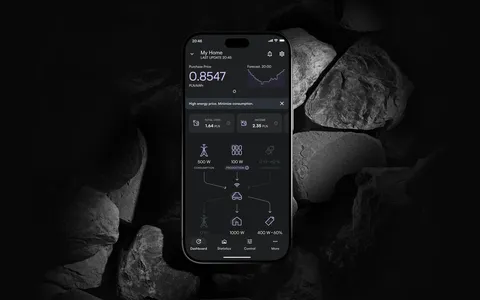
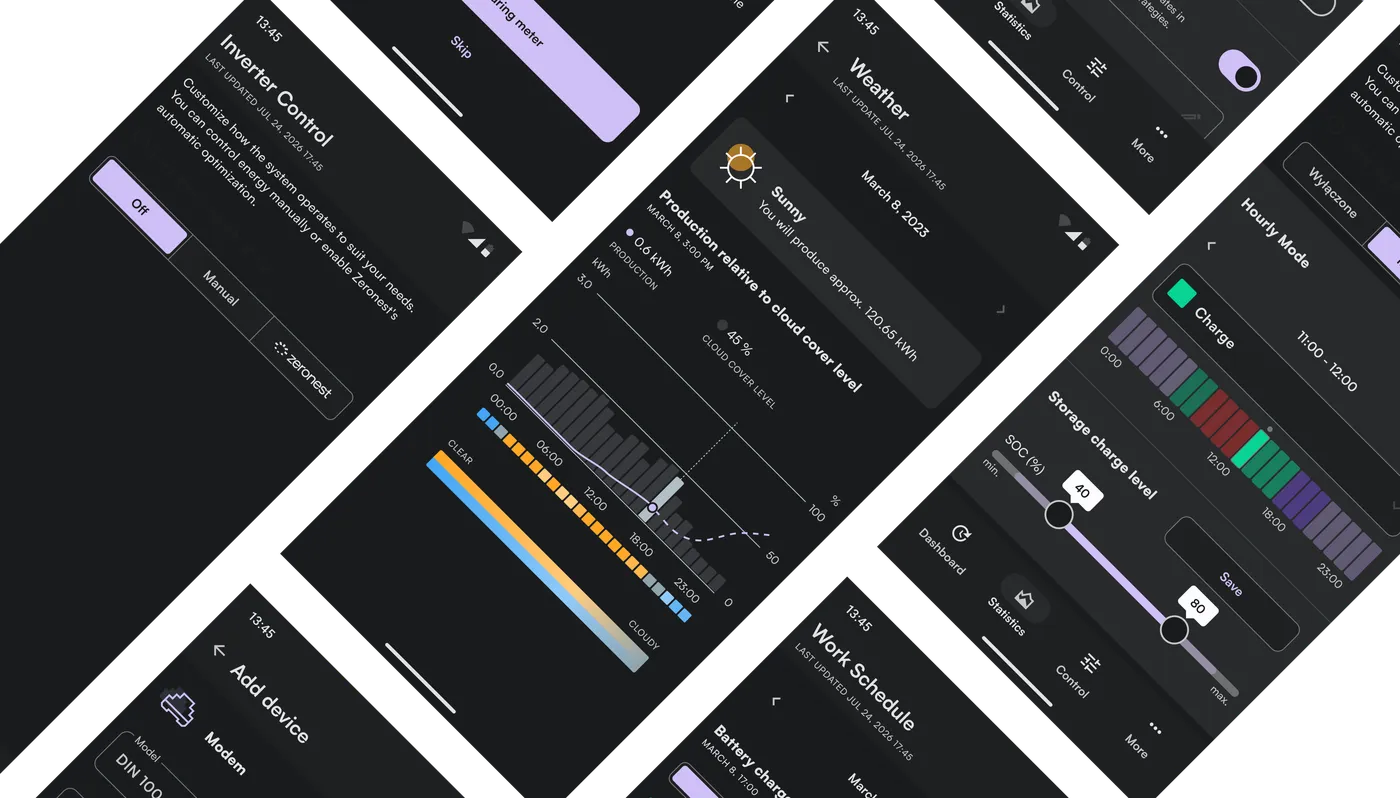
Zeronest mobile app screens: weather, work schedule and statistics

Energy storage platform

Zeronest: three apps on one decision engine

Zeronest's platform joins a prosumer app, an installer app and a web management platform. In production since June 2024, it supports 16 inverter brands and serves several thousand users. The storage under its management reaches 30 MWh.

Zeronest case study
RAW Cyber mobile security app screens on several phones

Secure mobile

RAW Cyber: an Android system built for security

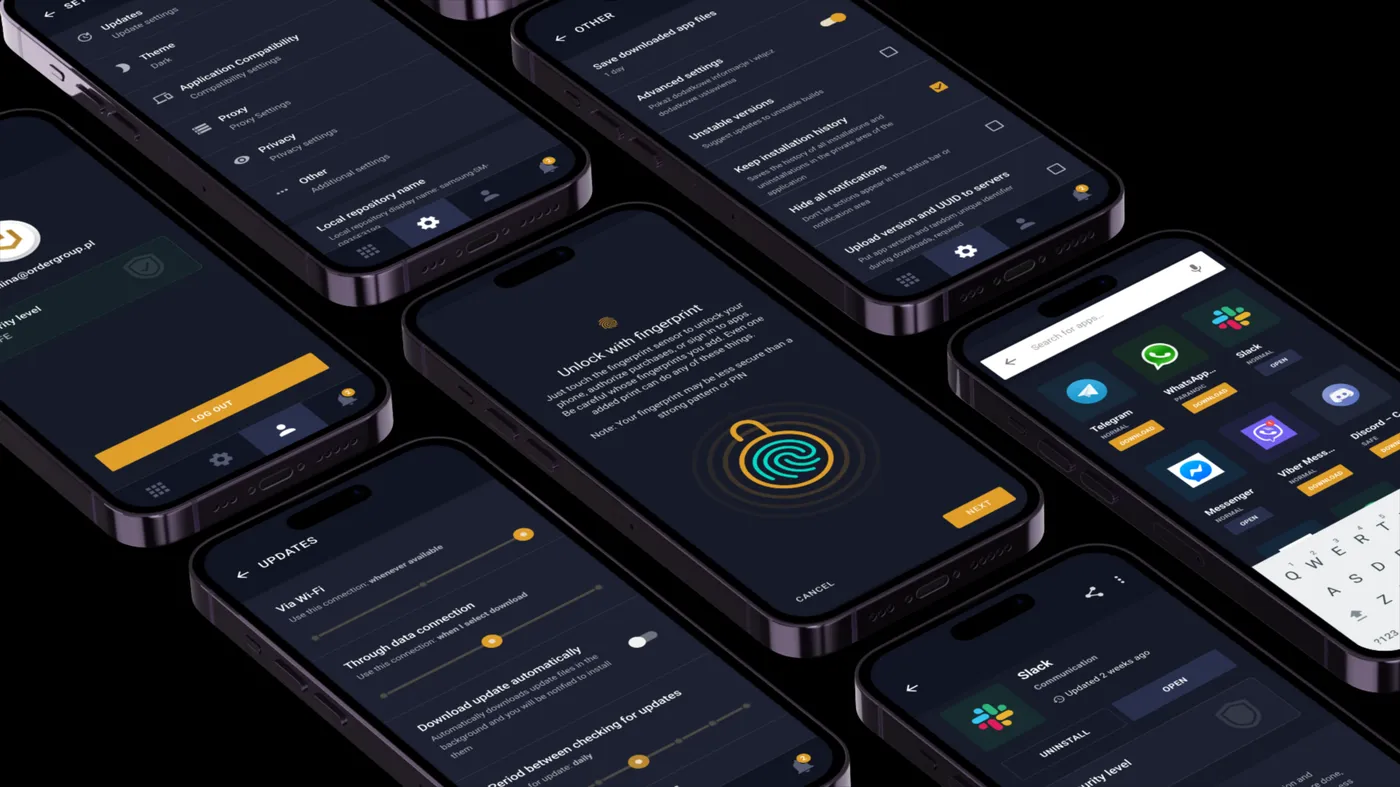
RAW Secure Phone ran on a custom Android-based operating system hardened with CopperheadOS. Packet inspection detects and blocks malware, and a secure app store offers only pre-approved apps. The team implemented security technologies that had not yet been standardized on the market, over three years of Scrum.

RAW Cyber case study
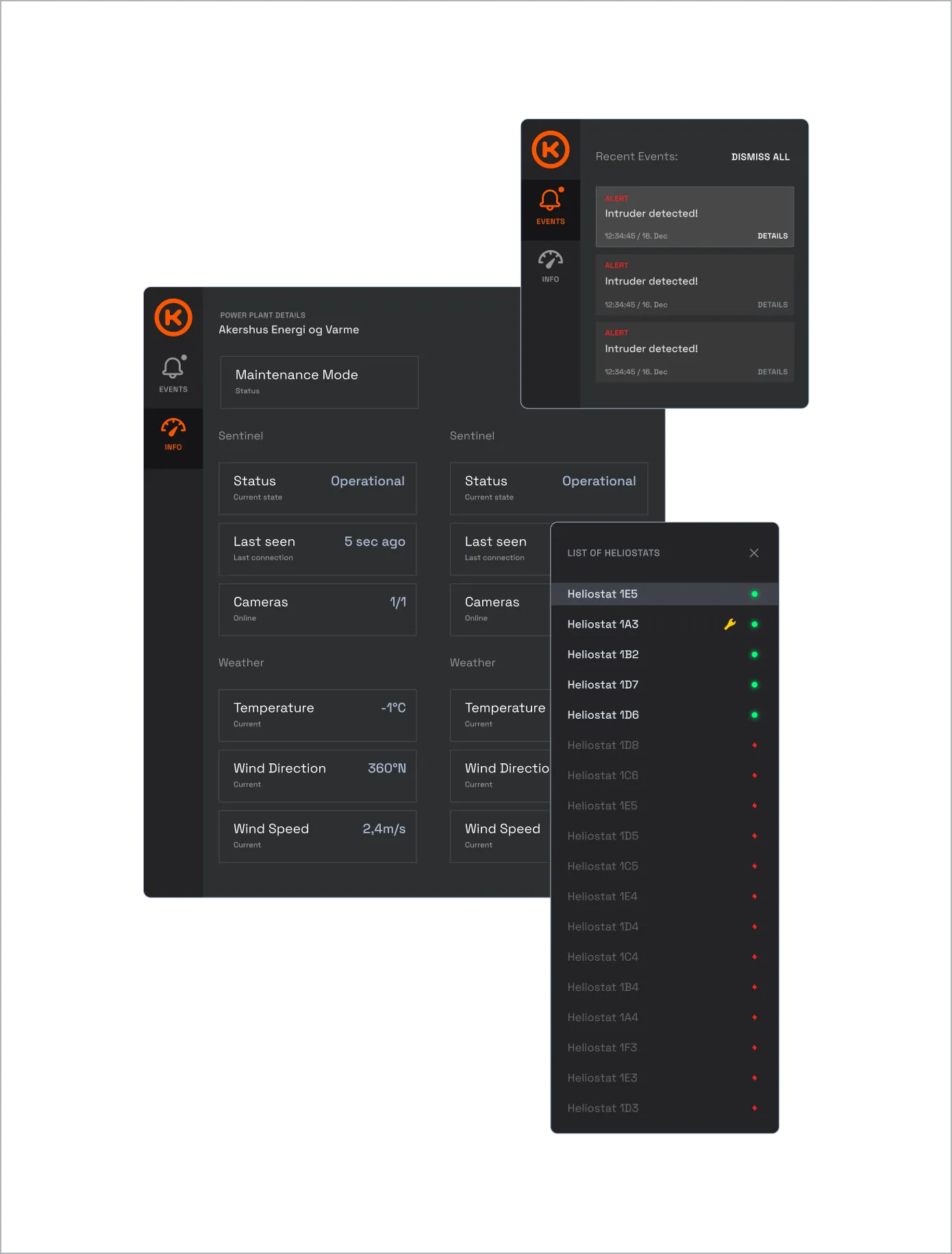
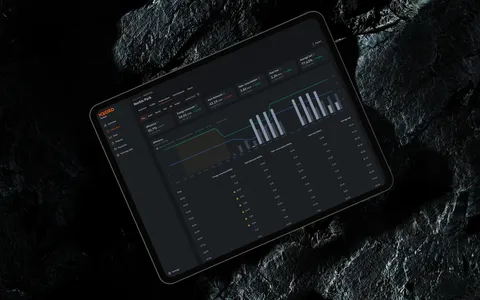
Kyoto Group platform – stacked dark interface panels with system parameters

Industrial IoT

KYOTO: from a UX/UI MVP to a SCADA-based BMS

Over three and a half years the KYOTO MVP grew into a SCADA-based battery management system that monitors and controls the flow of energy in real time. The stack is React.js, Python and AWS, and our engineers worked on site in Oslo to connect the hardware to the software.

KYOTO case study

What clients say about working with us

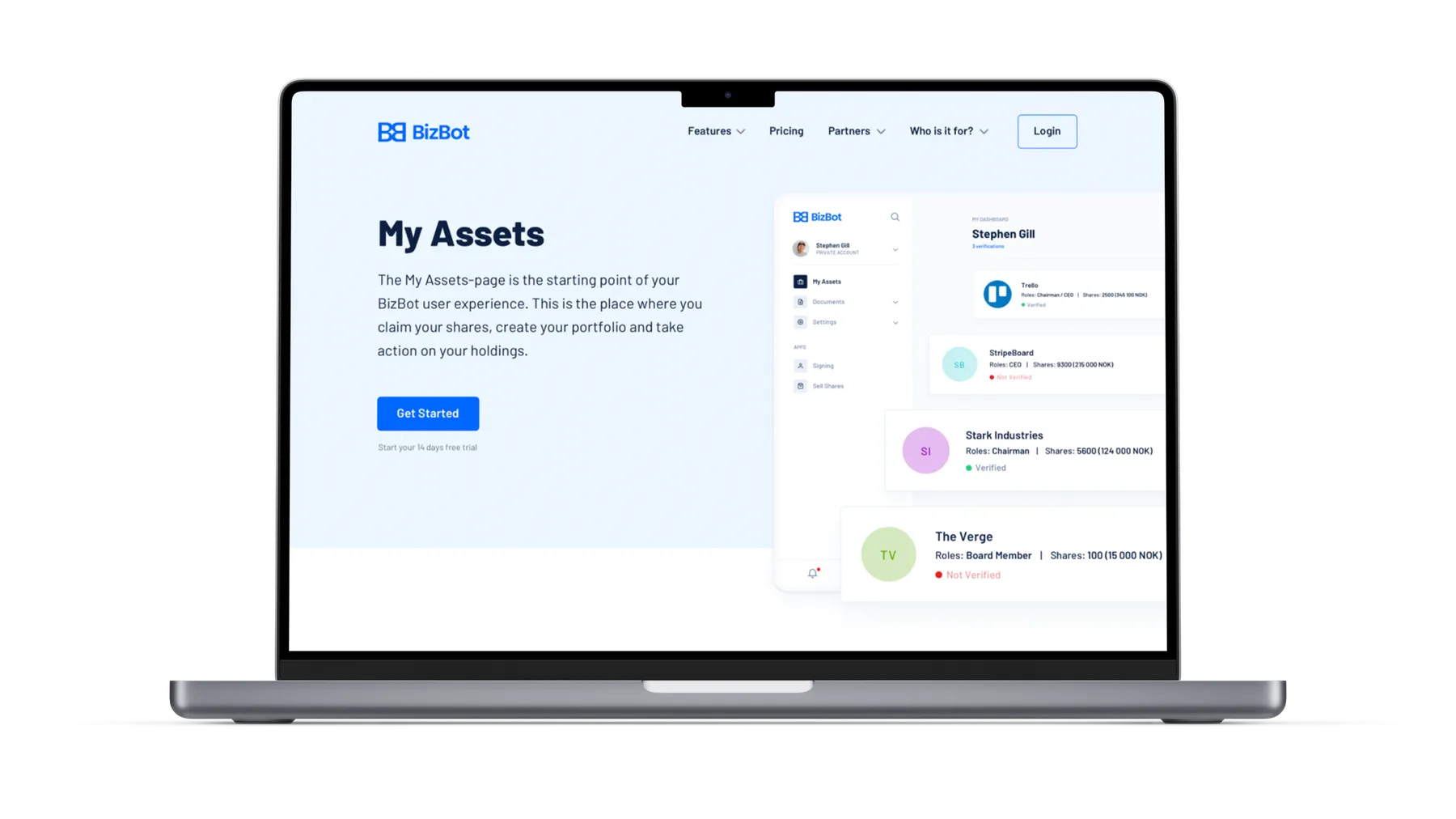
BizBot - UX/UI and a design system for a fintech startup

“Order Group invests time to define the scope and ask clarifying questions. Their channels of communication lead to smooth remote project management.”

Didrik Martens BizBot CEO
BizBot

How we work with your team

The team that starts a product stays with it. Zeronest's platform has been built by the same team from the first sprint, Enerace.Online by a permanent team working in Scrum since 2020, and Skyfri's four workstreams worked as one unit from January 2024, with no handoff after launch.

We sit next to the people who know the domain. On KYOTO we worked side by side with experts in thermal storage, hardware and energy markets, and for BizBot product workshops and hackathons took place in Warsaw, Oslo and Istanbul, so decisions came from the people who would use the product.

Features follow the needs of the product. At KYOTO we worked in Agile and Scrum and added features as the plant's needs grew, and at Monetor continuous feedback from users shaped what we built next.

From the field to the screen

How a Zeronest installation reaches the cloud

Every minute the engine decides whether a battery charges, discharges or sells to the grid, based on live readings, market prices, tariffs and the weather forecast. The path from the inverter to the screen has three layers.

  1. Devices

    • Inverters Sixteen inverter brands, among them Deye, GoodWe, Hoymiles and Sungrow.
    • Gateway Wired to the inverter over RS485 and Modbus, reports over LTE on its own SIM card, with no home Wi-Fi.
  2. Cloud

    • AWS IoT Core Receives device data over MQTT with TLS 1.2.
    • Decision engine Python, Django and Celery weigh live readings, market prices, tariffs and the weather forecast.
  3. Users

    • Prosumer app A React Native app for the owner of the installation.
    • Installer app A mobile app for the people who commission the system.
    • Web platform A Next.js platform with CRM, alerts and installation statuses.

Highlighted: the link that needs no manufacturer cloud

Because the gateway is independent of the manufacturer's cloud and the homeowner's Wi-Fi, an installation keeps reporting when either is unavailable. The same team built the platform from the first sprint, in one- or two-week Scrum sprints.

From the first meeting to the release

Custom software development process, step by step

A working MVP takes us about 3 months. A full product takes 7 months or more, and the free discovery workshop always comes first.

  1. Discovery workshop

    Our product strategy workshop defines the MVP, a rough roadmap and the scope with the engineers who will build it. You describe the product, its integrations and the decision ahead. Basic discovery is free.

    Free

  2. Estimate

    Within 48 hours after the workshop ends you receive an estimate of the timeline and the team your project needs, so you can decide on the next stage with a clear scope in hand.

    48 hours

  3. Team organized

    About a month goes to organizing the team that will build your product, so that the people from the workshop continue into development, and the decisions made at the table stay in force.

    About 1 month

  4. Product and Design Workshops

    We map user needs first, because a technically correct build nobody wants to use has not solved the problem. The workshops run for about two months and end with the scope for development.

    2 months

  5. Development and testing

    About four months of development and testing in two-week Scrum sprints. Every sprint ends with a working demo, and you see the backlog and what changed since the last one.

    2 weeks

  6. Support

    After the release the team that built the system keeps looking after it, and new modules follow in later sprints.

    After launch

Quality and advanced engineering details

Details we can point to in delivered systems, to read in the order you need them.

  1. Testing and acceptance

    Each sprint ends with a demo. At Centrum Komunikacji the second stage covered security and performance tests, a WCAG audit and training for the client's staff, all before publication in the app stores. The app was tested with VoiceOver and TalkBack, and it has a high-contrast mode and support for the braille keyboard on iOS.

  2. Data in transit

    Zeronest devices report over MQTT with TLS 1.2 behind AWS IoT Core, and client data stays in the EU. Centrum Komunikacji adds TLS 1.3, mutual TLS, a VPN and two-factor authentication, with monitoring in Grafana, Sentry, Wazuh and ELK. Its video calls use end-to-end encryption through LiveKit, and the room key is issued together with the access token.

  3. Queues and failover

    At Centrum Komunikacji, queues per service (SOS, interpreting on demand, transcription) run on WebSocket and Redis according to the duty schedule. SOS has priority, and an interpreter can be replaced without ending the conversation. PostgreSQL with failover and Redis Sentinel keep the service available, and the video layer was designed for more than 30 simultaneous sessions.

  4. Integrations that change

    Enerace.Online takes data from 13 external market sources, among them TGE, ICE, ENTSO-E and PSE, and has handled 15-minute data since 2022. When day-ahead trading moved to 15 minutes on 1 October 2025, 15-minute prices from ENTSO-E and 15-minute balancing were added. Its contract formula engine turns those feeds into purchase signals, tranches and a budget.

  5. Identity and access

    Centrum Komunikacji signs users in through login.gov.pl, with a Trusted Profile or mObywatel, or at one of 16 regional centres with a one-time code. The two paths lead to the same account, so the service reaches people with and without a digital identity.

  6. Open source where data is sensitive

    Live transcription at Centrum Komunikacji uses Vosk with a Polish model, running in the browser through WebAssembly. Audio does not go to an outside API or an AI cloud, and a specialist corrects the text before the user sees it, so the user only reads an approved version.

Cloud: where the system runs

Cloud choices follow the system, not a template. Our teams have delivered 50+ AWS engagements, and Zeronest runs on AWS with ECS, RDS, S3, Lambda, Cognito and SNS. Skyfri runs on Azure, with IoT Edge, IoT Hub and a Databricks data pipeline.

Hosting follows the client's rules: Centrum Komunikacji is hosted in the EU for at least seven years, and KYOTO's infrastructure is described with Terragrunt and Jenkins. Our cloud services page covers the platform work in detail.

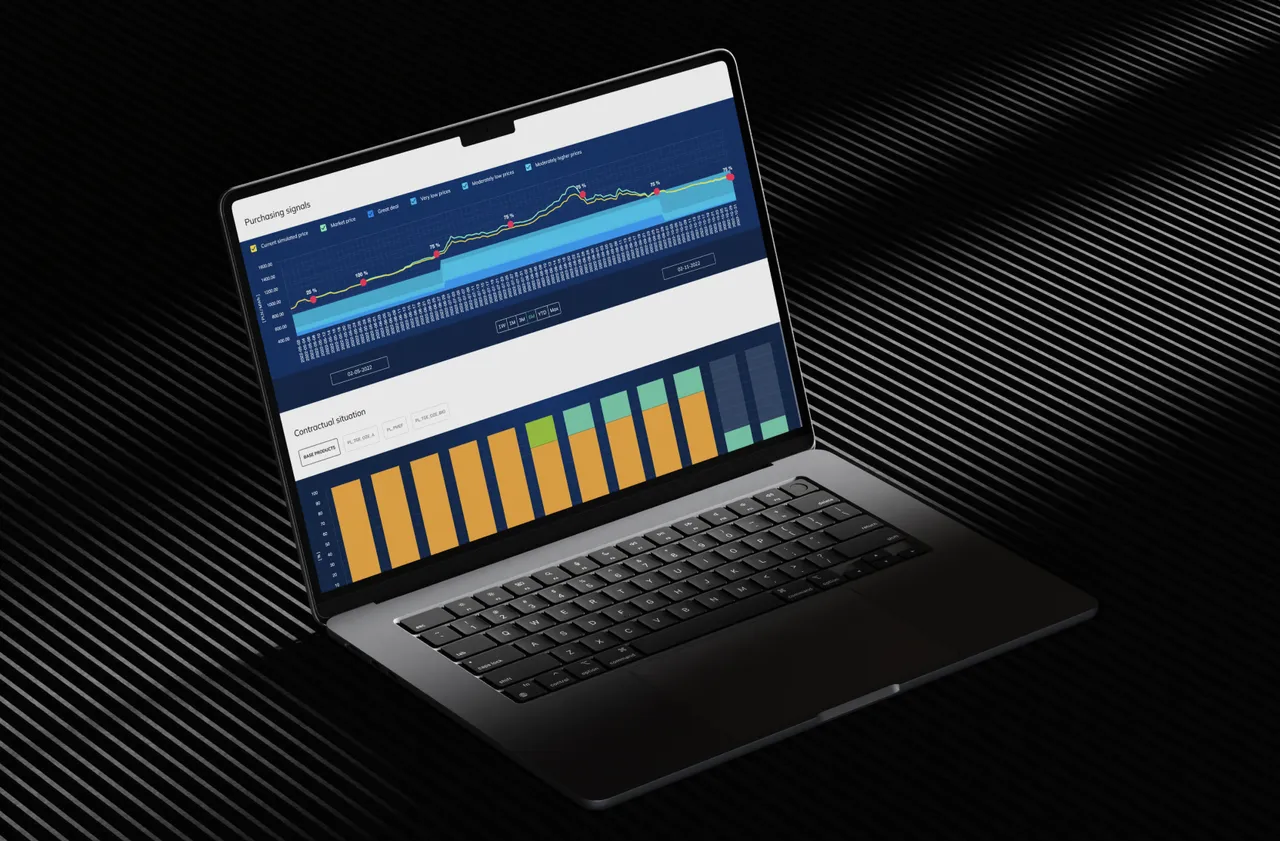
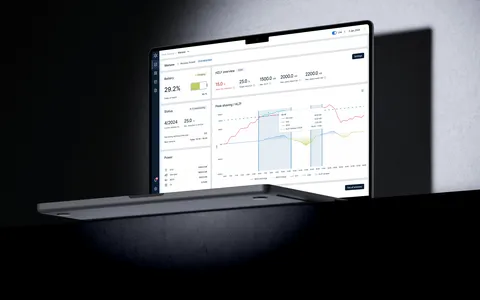
Skyfri battery control dashboard with state of charge and executed charge signals on a laptop

What stays with you after release

Everything needed to run and change the system.

  • The source code and the copyright
  • Infrastructure defined as code
  • A CI/CD pipeline from the first weeks
  • A staging environment on an anonymised copy of production
  • Alerts from production to the team on Slack

A design decision

Telephony carries no end-to-end encryption, so at Centrum Komunikacji a phone call never joins the encrypted room. A bridge connects the two, and calls to 112 and DTMF tones keep working.

Seven ways to start or extend a custom build

Services around custom software

Each page describes the scope and how to begin, from the first workshop to support after the release.

For an idea built around a model, discovery with our own AI toolkit tests it before the build.

Selected work

Customer projects in energy, fintech and aviation

Where to start

Where is your custom software project now?

Pick the situation closest to yours. Each path starts with a free conversation about your customers and your constraints, and ends with a clear next step.

I have an idea but no scope

First step

Book the free discovery workshop

One meeting with the engineers who would build it. We turn the idea into a scope, a rough roadmap and a plan for the MVP, and an estimate follows.

  1. The MVP and a rough roadmap defined at the workshop, with priorities set together
  2. An estimate of the timeline and the team, so you can decide on the next stage
  3. The same engineers who ran the workshop continue into the build

Off-the-shelf tools no longer fit

First step

Describe the gap in a free call

Tell us where the tool breaks: a process it cannot follow, a format it cannot read, a rule it cannot meet. We say whether custom software would solve it and what the first release would contain.

  1. A look at the constraints your business runs on and where the tool breaks
  2. A choice between configuring the tool, replacing it or building
  3. A first release scoped around the gap, not around a feature list

I have hardware to connect

First step

Start with the devices and protocols

Integration decides the plan when software has to read and control devices it did not come with. We start with what the devices speak and where the data may go, before the first sprint.

  1. Devices, protocols and the data path mapped before the first sprint
  2. A gateway or an edge layer where the link to the cloud cannot be trusted
  3. Control logic that keeps running on site when the connection drops

My product is in progress and needs a team

First step

Talk about a dedicated team

A team joins your product, works in two-week sprints and shows a working demo at the end of each. You see the backlog and what changed since the last demo.

  1. A working demo every two weeks, with the backlog open to you
  2. One team from the first sprint to the release and after it
  3. Your tools and your Product Owner, when you prefer to keep them

An older system works but is hard to change

First step

Start with an audit

Modernization starts with an audit of the code, data and infrastructure. The order of changes follows from it, and the system keeps running while it is modernized.

  1. An audit of code, architecture, data and infrastructure
  2. Upgrades step by step on a running system instead of a rewrite
  3. Support after the release, from bought SLA hours to a full agreement

What founders and product owners ask first

Custom software development company: your questions

  • It is the design, building and maintenance of software made for the requirements of one organization instead of a mass market. The result fits your process, your devices and your compliance rules, and the code belongs to you. We cover it end to end: discovery, design, development, QA and support.

  • Python, Django, Node.js, React.js and React Native for most products, on AWS or Azure, with Databricks for data pipelines and Next.js for web platforms. The stack follows the constraints of the project, so Skyfri's control logic runs on Azure IoT Edge and Zeronest's engine on AWS.

  • You do. The code and the copyright belong to you, as at Centrum Komunikacji, where the client owns both. The repository and the infrastructure definitions are part of the handover, so another team can take the work over.

  • Yes. Integrations with systems you do not control are mapped at the workshop, because their limits set the schedule. We build against the interfaces those systems offer and, where hardware is involved, add a gateway or an edge layer between the devices and the cloud.

  • Yes. Our dedicated development team can join your product, work in your tools and with your Product Owner, and keep the same rhythm of two-week sprints and demos, so your own engineers see every change as it happens.

  • The scope depends on the first release, the systems the software integrates with, the platforms it runs on and how long it will be developed after launch. Basic discovery is free, and after it we estimate the timeline and the team.

  • You leave with a scope ranked by priority, a rough roadmap and a clear view of the MVP. The decision maker takes part, so the order of the modules is confirmed in the room. An estimate of the timeline and the team follows within 48 hours. To start, please contact us.

  • Yes. For a system on an older stack we start with an audit of the code, the data and the infrastructure, and plan upgrades step by step instead of a rewrite, as at Enerace. Our legacy software modernization page describes what the audit covers and what you receive.

Maciej Sułek

Co-founder & CTO

Get your estimate

Custom software development reading

More on how we plan and run custom software projects

Tell us what you want to build

Your message goes to

Filip Szamborski

Filip Szamborski

Co-founder & CEO

Thank you for your message.

We read every message ourselves and get back to you within 48 hrs on business days.

Something urgent? hello@ordergroup.co

Let's work together

Describe your idea and we will reply with the next step.

Fields marked with an asterisk (*) are required.

Order Group sp. z o.o. uses the information you provide only to reply to your enquiry and to keep a record of it (Art. 6(1)(b) and (f) GDPR). Details, including your rights, are in our Privacy Policy (opens in a new tab).

We reply within 48 hrs on business days - a person, not an autoresponder.

Using an AI assistant? It can send this inquiry for you or prepare a pre-filled form - instructions for it are in llms.txt.

SO FAR WE HAVE WORKED WITH BRANDS LIKE:

Accessibility settings

Text size

100%