Michał Dżaman
Co-founder & Head of Backend, Order Group
Co-founder of Order Group and Head of Backend. Runs DevOps and sets up hardware on site for energy sector clients.
- in Order Group since
- 2013
- articles
- 8
- glossary entries reviewed
- 11
Ask the expert
Describe your project or question. It reaches our team marked as a question for Michał Dżaman.
Profile
Michał Dżaman co-founded Order Group in 2013 and leads its backend team. Michał is also the company's main DevOps engineer. In a 2022 ExtraORDERnary interview Michał described the job as tech lead, DevOps, analyst and senior developer at once.
Most of Michał's work is in the energy sector, and part of it happens on site: Michał travels to clients to configure hardware there. Michał reviews the glossary entries on battery storage, energy management systems, Modbus, SCADA and smart meters.
Michał also interviews candidates in our technical recruitment and has written about running applications in the cloud or on-premise and about when a company should build its own content management system.
Areas of expertise
-
Backend and DevOps
Backend architecture, infrastructure in the cloud or on-premise, and keeping production systems running.
-
Energy hardware and storage
Battery storage, energy management systems and the protocols that connect software to devices on site.
Experience
-
Co-founder & Head of Backend
Order Group · 2013–now
Glossary entries reviewed
- BESS reviewed
- BMS reviewed
- Digital twin reviewed
- EMS reviewed
- Modbus reviewed
- NIS2 reviewed
- Peak shaving reviewed
- SCADA reviewed
- Smart meter reviewed
- State of charge (SoC) reviewed
- Thermal energy storage reviewed
Articles
-

Battery Energy Storage System (BESS): How It Works and What Software It Needs
-
Backend Development in Python. When to Use Django?
-
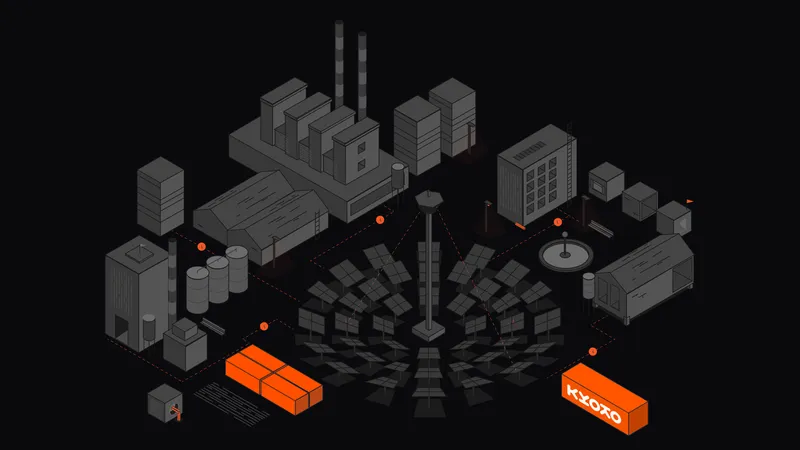
Fixing Common Issues with a Digital Twin
-
Custom Web App Development for the Energy Industry
-
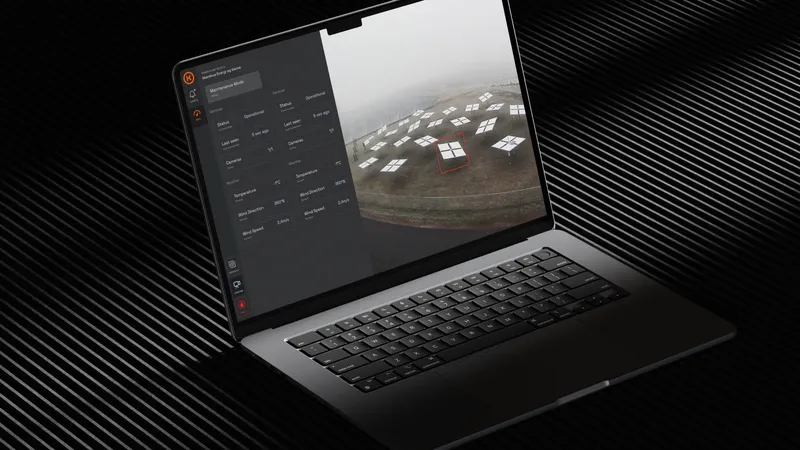
Get More Out of Cognite Data Fusion
-
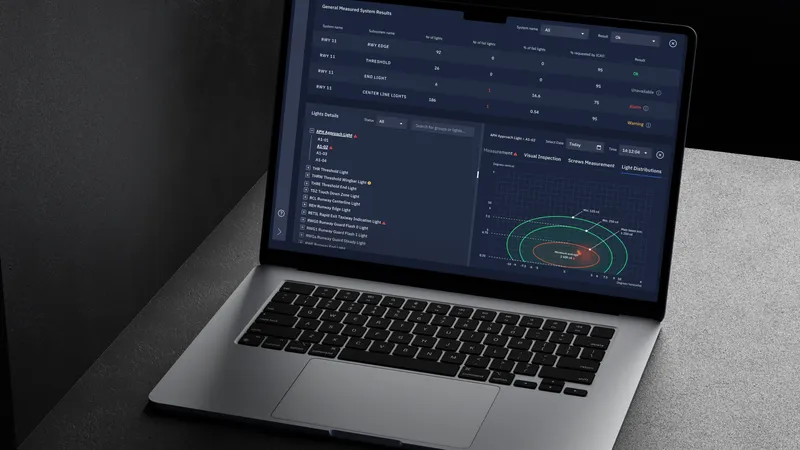
Role of Interfaces in SCADA Systems
-

Why Does Cybersecurity in the Energy Sector Matter?
-

How to Build Your Own CMS and Why You Might Need One